"Neurodiversity through Webcomics: Using Aesthetic Experiences for Epistemic Resistance"
At the heart of the ideas proposed in today's panel is that of epistemic enablement through trajectories other than propositional, which can be offered by aesthetic experience.
PANEL
"Dancing Toward Epistemic Justice: An Embodied Account of Epistemic Agency"
Amandine Catala and Camille Zimmermann covered the example of dance, an embodied account of epistemic enablement.
PhD Candidate - Philosophy (UQAM)
Camille Zimmermann
zimmermann.camille@courrier.uqam.ca

Professor - Philosophy (UQAM)
Amandine Catala
catala.amandine@uqam.ca
"Comics and Epistemic Enablement"
Luc Faucher discussed the medium of comics in the context of neurodiversity, again as epistemic enablement.
Professor - Philosophy (UQAM)
Luc Faucher
"Neurodiversity through Webcomics: Using Aesthetic Experiences for Epistemic Resistance"
We now continue with webcomics.
PhD Candidate - Philosophy (UQAM)
Mylène Legault
legault.mylene.2@courrier.uqam.ca

PhD Candidate - Philosophy (UQAM)
Jean-Nicolas Bourdon
bourdon.jean-nicolas@courrier.uqam.ca
PREFACE
About the
Format
Force of habit leads us to take the established ways of doing things as fixed, even though they are circumstantial. We were able to explore this reality, for example, during the pandemic: going to the office for work meetings, which, in all honesty, could have been e-mails. We also know that cultural habits are not insignificant, they allow the reproduction of comfortable modalities of interaction for dominant groups: those with the power to choose these modalities.
For our part of the panel, we propose to do things differently. Don't worry, we're not criticizing power point presentations and their timely sip of water pauses. Instead, we're inviting you to explore an alternative modality for interaction.
Public Speaking
Many people hate public speaking. It generally comes with discomforts and even fears, but some people have cognitive profiles that function in ways far removed from this type of interaction. However, this practice is socially maintained and considered essential for meeting and sharing. But is it really necessary? Does the public space absolutely have to be occupied in an oratory and synchronous way? What if these modalities are, in fact, infused with neuronormativity?
Human society is permeated by collective cultural resources with which individuals can, among other things, interpret, understand and communicate various aspects of their experiences. Since they are collective resources, their genesis, maintenance and dissemination are a function of the power dynamics that permeate our societies. One of these power dynamics is organized around norms regarding what is considered appropriate cognitive functioning: the group whose cognition corresponds to the norm (i.e., neurotypicals) dominates and those whose cognition deviates from the norm (i.e., neurodivergent) are marginalized. This epistemic marginalization has the effect of limiting the access of neurodivergent individuals to so-called "collective" epistemic resources, both in their elaboration and in their use.
This norm corresponds to neuronormativity, which is presented by Amandine Catala, Luc Faucher et Pierre Poirier (2021) in their paper Autism, epistemic injustice, and epistemic disablement: a relational account of epistemic agency.
Neuronormativity refers to the prevalent, neurotypical set of assumptions, norms, and practices that construes neurotypicality as the sole acceptable or superior mode of cognition, and that stigmatizes attitudes, behaviors, or actions that reflect neu- roatypical modes of cognition as deviant or inferior. Neuronormative assumptions, norms, and practices uphold standards regarding, for example, (what is neurotypi- cally considered) appropriate eye contact, facial expressions, prosody, conversa- tional flow, processing, and responsiveness—all of which can be difficult for autistic individuals to understand, sense, or apply, due to neurocognitive differences. (Catala & al., 2021)
Catala, A., Faucher, L. & Poirier, P. Autism, epistemic injustice, and epistemic disablement: a relational account of epistemic agency. Synthese (2021).
For a presentation on these questions, see Epistemic justice and epistemic authority on autism, Philosophy of Psychiatry Webinar, Montreal (Amandine Catala)
What’s with all these neuro- words?
Neurodiversity can refer to the neurological or neurocognitive variation naturally present in the human population. The term was first introduced by Judy Singer in a book published in 1993. The term also refers to a growing sociopolitical movement that promotes the recognition and inclusion of natural neurocognitive diversity (see, for example, Autistic Self Advocacy Network (ASAN), whose slogan is "Nothing About Us Without US!").
Nick Walker (2012) describes the neurodiversity movement as a new paradigm (the neurodiversity paradigm) in response to the pathology paradigm. It should be noted, however, that this movement has not been and is not immune to certain exclusionary mechanisms. For example, the movement began with verbal autistic individuals, but although the movement has since expanded to include many cognitive profiles, autistic individuals (and more recently ADHD individuals) still seem to dominate the movement.
Walker, N. (2012). Throw away the master's tools: Liberating ourselves from the pathology paradigm. Loud hands: Autistic people, speaking, 225-237.
Some progress can also be noted with the recent publication of "Neurodiversity Studies: A New Critical Paradigm" (Rosqvist et al., 2020), which illustrates the growing acceptance of this sociopolitical movement by the scientific community.
Rosqvist, H. B., Chown, N., & Stenning, A. (2020). Neurodiversity Studies: A New Critical Paradigm. Routledge.
Refers to individuals who fit the norm of cognitive functioning.
Neurodivergence belongs to a normative vocabulary. It requires a norm, which can be qualitative or quantitative, to distinguish typical from atypical neurocognitive profiles among natural neurological variation. However, the narrative is not so simple; cognition is a complex and dynamic process, and simply distinguishing between neurotypical and neuroatypical individuals shapes, at least in part, the cognition of those same individuals. Note that these criteria, quantitative or qualitative, are generally chosen for medical, practical, economic or moral reasons: because a type is considered "more functional", "more adapted, evolutionarily", "easier to interact with", "less demanding in resources" more characteristic of a human life worth living", etc.
Refers to individuals who do not fit the norm for cognitive functioning.
For those who are curious, we address these "neuro- words" here :
- Legault, M., Bourdon, J. & Poirier, P. (2021). From neurodiversity to neurodivergence by way of epistemic marginalization, Epistemological Issues in Neurodivergence and Atypical Cognition. Synthese.
- Legault, M., Bourdon, J. & Poirier, P. (2019) Neurocognitive variety in neurotypical environments: the source of “deficits” in autism, Journal of Behavioral and Brain Science (JBBS), vol.9, 246-272.
This is all well and good in theory, but what does it have to do with our presentation?
What we are trying to say - probably with too many words - is that those with cognitive profiles similar to ours tend to feel unsafe in traditional academic frameworks. This very presentation is the perfect opportunity to experiment with an alternative format where we can occupy the epistemic space and exist as we are. When the parameters of a common space of exchange only correspond to one type of cognitive profile, neurotypical profiles in this case, there can hardly be any exchange that is fair and inclusive. Our hope is that offering this alternative might open this type of space to those who remain outside the exchange.
Although this is an aside before we get into our main topic, you will notice that the form of our presentation reproduces our subject: the online viewing of webcomics, that is, asynchronous interactions around a shared representation, or the infamous content.
What a great question! Of course. If we have different cognitive and processing profiles with different modalities of expression, we can expect adjustments in synchronicity. Strategies for better epistemic justice include suspending judgment, giving the time, respecting varied forms of exchange and being open to different modalities of exchange.
Feel free to contact us for any comments and input into this exploration:
legault.mylene.2@courrier.uqam.ca
bourdon.jean-nicolas@courrier.uqam.ca
PART I

This is Marc, stand in for the author: Yvon Roy
This is his son, Olivier, who is autistic.
Les Petites Victoires showcases the fight of a father for his son, diagnosed with autism "in order to transform an announced defeat into small victories" (sic, our translation).
In his preface, Roy explains the contextualises the creation of his comic book:
"The idea was first suggested to me by a special educator who had worked with my son. She thought that what we had accomplished together was worth sharing so that other parents could find, through our experience, some useful information, if not a little hope" (our translation).
Interview
"When I started working with my boy to help him, with all the professionals in the field, I realized that often we were told, or they tried to tell us, that we had to work on living with autism, on accommodating autism. How we had to deal with different crises, different problems, whereas I thought, well, no, it's better, definitely, to try to overcome it than to live with it. And that's been kind of my master idea, let's say, for years with my boy, which is to try to push the boundaries constantly, always further." (Our translation)
Why choose this comic book?
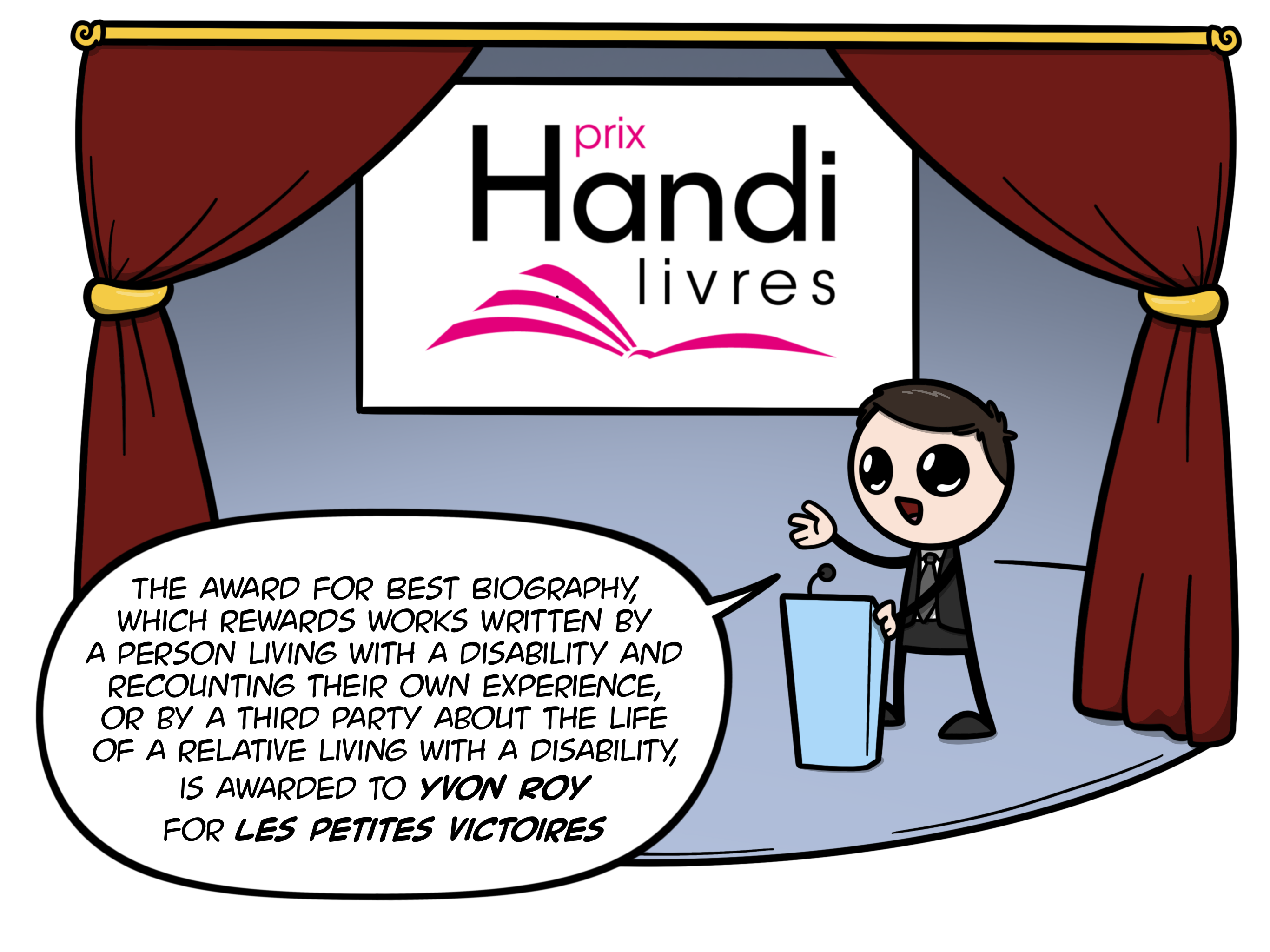
This comic book is an example of a creation that is easily accessible to the general public that has been awarded and highly publicized - even winning an award that recognizes works written by a person living with a disability and recounting their own experience, or by a third party about the life of a relative living with a disability. In 2018, the publisher Rue de Sèvres announced a contract for a film adaptation, which caused reactions and led to the hashtag :
#boycottlespetitesvictoires
As we will show, this is an example of the social representations of autism that perpetuate dominant understandings that do not fit the lived experience of those directly concerned to the point of being discriminatory. It is also difficult to identify moments when the child (the autistic character) shows agentivity. Instead, he’s passive in his father’s story. In a way, Olivier is only a supporting character. This is exaclty why representation doesn't mean autorepresentation and why "nothing about us whitout us" matters: although this comic is presented as a positive narrative from the allist perspective (3rd person), the story is completely different from the standpoint of the autistic community’s testimonies (1st person).
An allist person is a non-autistic person.
To understand the term "allist", we must go back to the origin of the word "autistic" which comes from the Greek word "autos" which means "self". So the word "autistic" initially referred to a person withdrawn on themself, who lives in their own world. The term "allist" appeared in a satirical article to refer to non-autistic people by swaping “autos” for "allos" which refers to others. So an allist is a person who is focused on others or, to flip the usual narrative, a person who lives in other people’s worlds.
In spite of the satire, the term “allist” has remained in use among others because it allows to distinguish between "neurotypicals" and "allists". There are people who are not autistic, but who are not neurotypical: a non-autistic dyslexic person, for example.
For a deconstruction
of the problematic propositions of the comic book:
But do you know the story from the autistic community’s perspective?
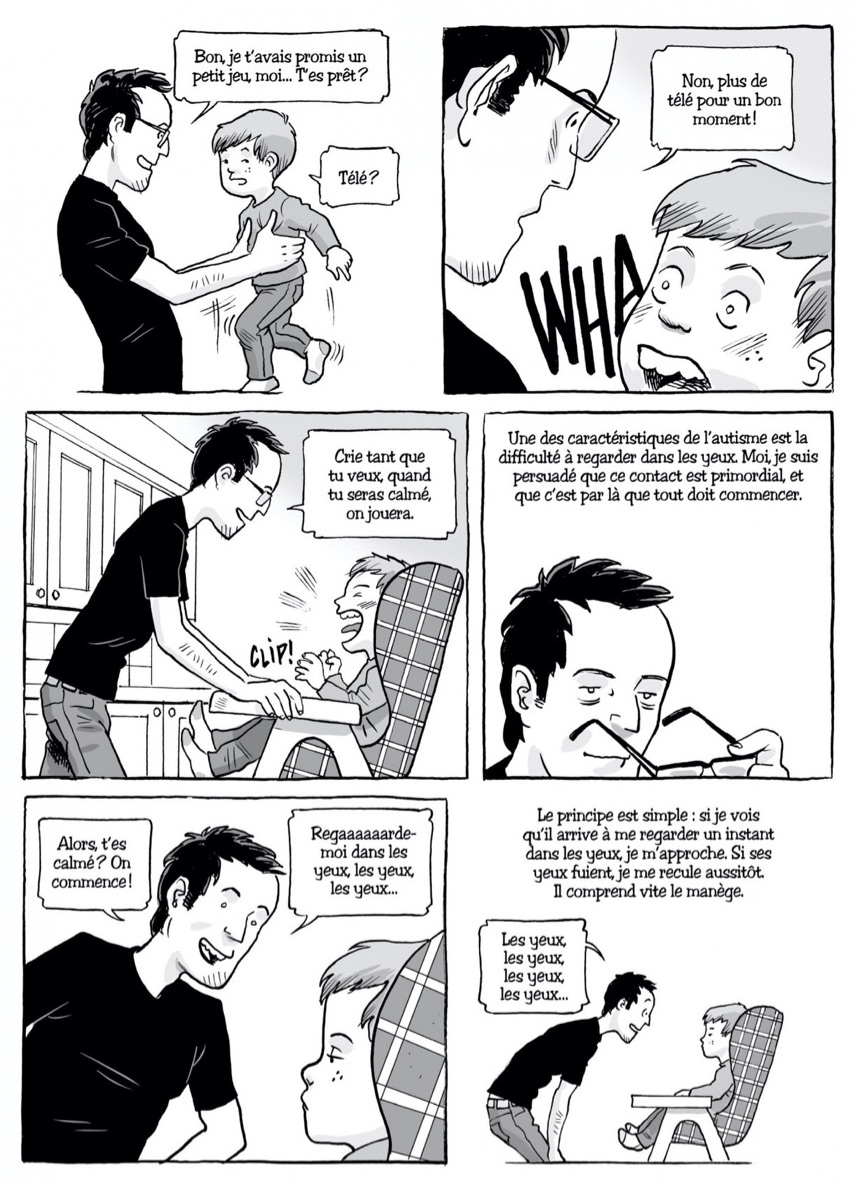
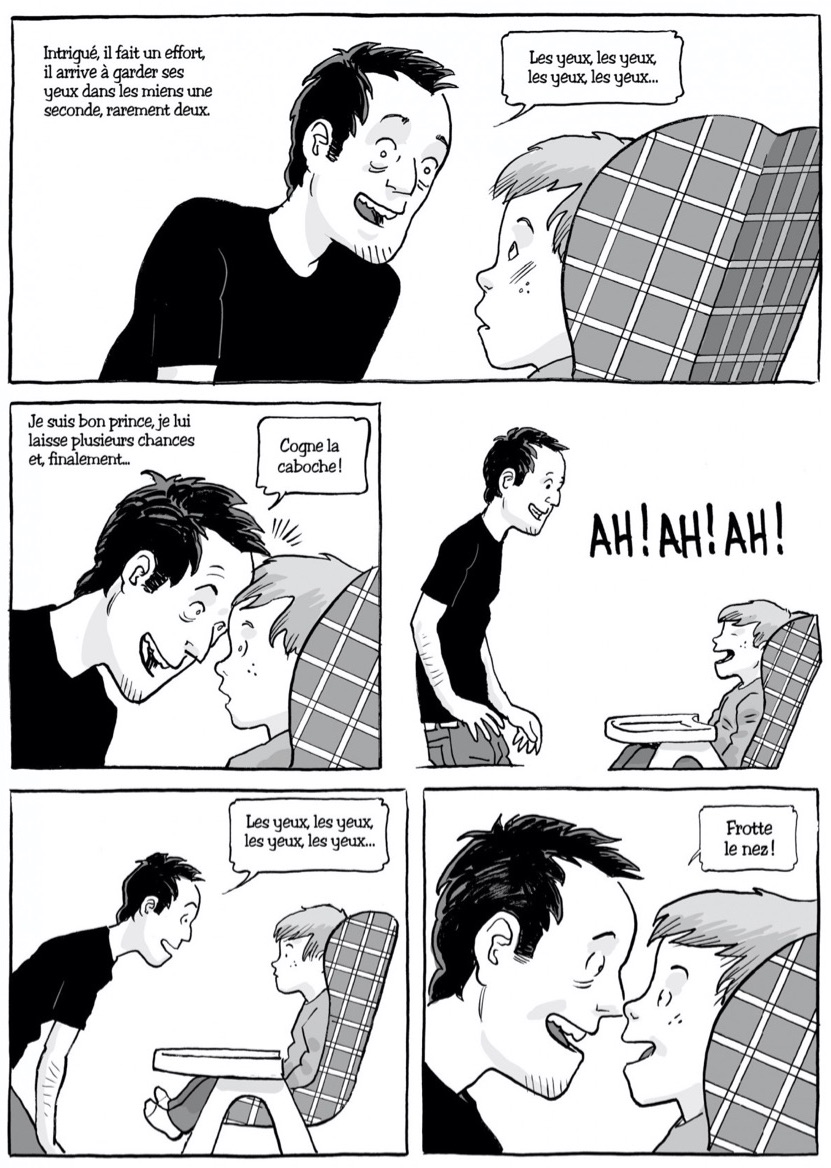
This is where webcomics can serve as an accessible tool that allows the reversal of dominant representations by opening the floor to self-representations directly grounded in marginalized communities. But before continuing with the topic of webcomics, we wish to feature an excerpt from Les Petites Victoires that addresses a frequent theme in autism: eye contact.
Excerpt on eye contact
English translation
English translation
Excerpt from Yvon Roy's interview
"I worked a bit like we can work to sometimes desensitize a substance. Sometimes certain people can have an allergy, we can try to desensitize them.
Several parents have contacted me regarding the trick to get the child to look in the eyes. This is the first thing we worked on together, that is to say, I considered that being able to look in the eyes - we know that autistic children have difficulty looking directly in the eyes - I said to myself, if we don't have eye contact, we have nothing. We need that, it's the beginning of human interaction." (our translation)
TW: The host uses the term “prison” in reference to autism:
"In your story that you shared with us in Les Petites Victoires, there is obviously the moment when you get up to face, to accompany your child in that reality: to learn to understand him too, inside what he lives and this prison, in a way, from which he is pressured which is basically this condition." (our translation)
Link to the interview (in French)
This scene is an example of neuronormativity
Recall that neuronormativity is the prevalent, neurotypical set of assumptions, norms, and practices that conceives of neurotypicality as the only acceptable or superior mode of cognition, and that stigmatizes attitudes, behaviors, or actions that reflect atypical modes of cognition as deviant or inferior.
This scene is told from the allist perspective and is presented with a positive outcome. In fact, as the author mentions, parents have applied this technique with their autistic children after being inspired by it.
But what if we ask autistic people how they feel about eye contact? That's exactly what we are going to do.
PART II
Why webcomics?
The medium of webcomic enables me to do something I don't know how to do otherwise: share how things feel on the inside.
Imagine. You come across a newspaper at the local coffee shop and recognize the face of a well-known personality. Yet you can't remember their name. It annoys you, you know you know it, it’s just not coming out, it stays there, on the tip of your tongue. You have time to come back to work, coffee in hand, and the name still hasn't come back to you, it still annoys you. You come across a colleague and you ask them, you describe the person, maybe clumsily at first (it would be so much easier with their name!), but you adjust to your interlocutor and, together, you can finally recall their name, it was so obvious!
It’s important to emphasize this feeling of annoyance. We rarely take the time to mention this annoyance when talking about epistemic injustices. Yet it is there, and it can even be painful: how do we make sense, to use Fricker's classic example, of our experience of sexual harassment when the concept does not yet exist? How can we share the feeling that something is wrong? This is where community comes into play and it is why the idea of "by and for" matters more than, say, a criterion of simplicity might. This is addressed by feminist epistemologies: for example, Longino argues for pragmatic values in science such as diffusion of power (as the importance of making research programs accessible to the actors involved in the research).
The impact of inadequate social representations on neurodiversity cannot be fully resolved by the traditional narrative of epistemic oppression and justice: adding new vocabulary to collective epistemic resources is not a panacea (we already have the word "autism" for example). So it is not only words that are missing, but rich and diverse lived experiences are also missing from the pool of shared resources.
The problem is that what is missing, the hermeneutical gaps, are not automatically apparent: social representations created by and for the dominant groups inadequately fill the hermeneutical gaps of marginalized groups. To that effect, let us recall here the Handi-Livre prize for the best biography which rewards works written by a person with a disability and telling his or her own experience, or by a third party on the life of a close relative with a disability: In the case of Les Petites Victoires, the award went to the biography of an allistic (non-autistic) person talking about autism. These inadequate social representations are difficult to resist: they are constantly and persistently reproduced. It is even harder when you don't have the words to replace theirs. But do we really have to wait for the right words to share our experiences? This is where illustration can become an attention grabbing action like shouting: an action that does not need words. This is what we propose here: a form of non-propositional epistemic resistance in response to hermeneutic injustice.
Webcomics are basically online comic books. They are mostly instantiated as short comics that take many forms and cover many topics. The most common form of webcomic is probably the blog (sometimes autobiographical, sometimes entirely fictional, sometimes both). Because they are mostly published independently by their artists, webcomics are an art form that is not limited by institutionalized power dynamics such as publishing houses or art galleries.
But the most important thing for us here is that webcomics are able to generate aesthetic experiences that allow viewers to better understand different aspects of the lived experience of neurodivergent people despite the inadequacy of mainstream epistemic resources.
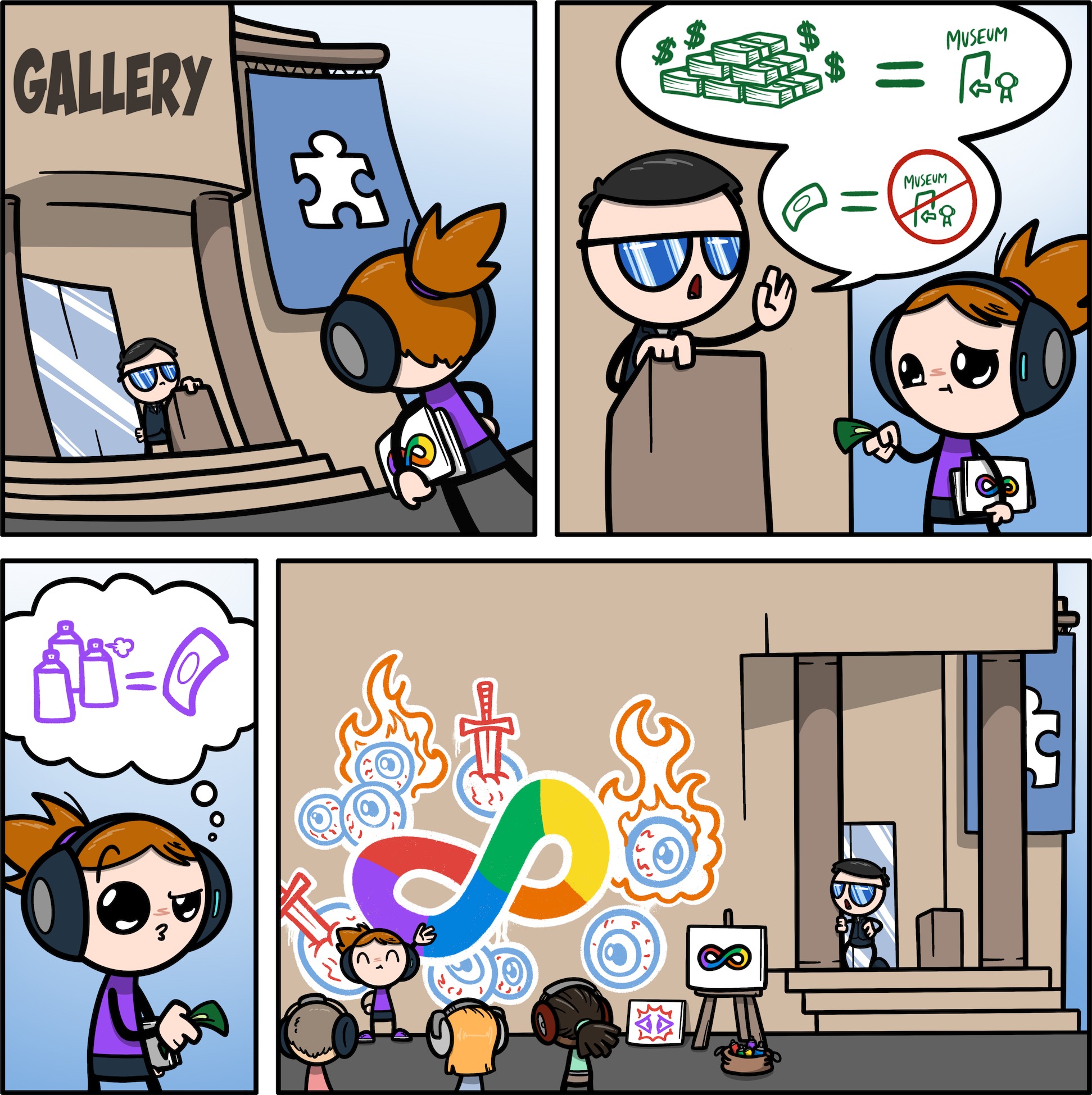
In some ways, webcomics are a digital version of street art.
Although limited to a given geographical space for street art and to a particular digital platform for webcomics, there is this common idea where it is not so much the public that goes to the creation as the creation that goes to the public. We are no longer in a reserved and predefined space like a museum, a bookstore, a gallery or even a library.
Although a recognized artist can make street art, it is more difficult for an artist who does not belong to a complex and influential network to access some places of diffusion such as an art gallery. Webcomic is thus added to the tools that allow the production, use and transmission of more accurate social representations, participating in the collective understandings of the oppressions suffered by epistemically marginalized groups. The public and interactional aspects of social media that support webcomics make them a catalyst for direct dialogue with (but also within and between) marginalized communities.
To put our epistemic resistance into action,
and to enhance our imaginative ressources, we chose to gather first-personal testimonies and descriptions of how eye contact can feel for autists.
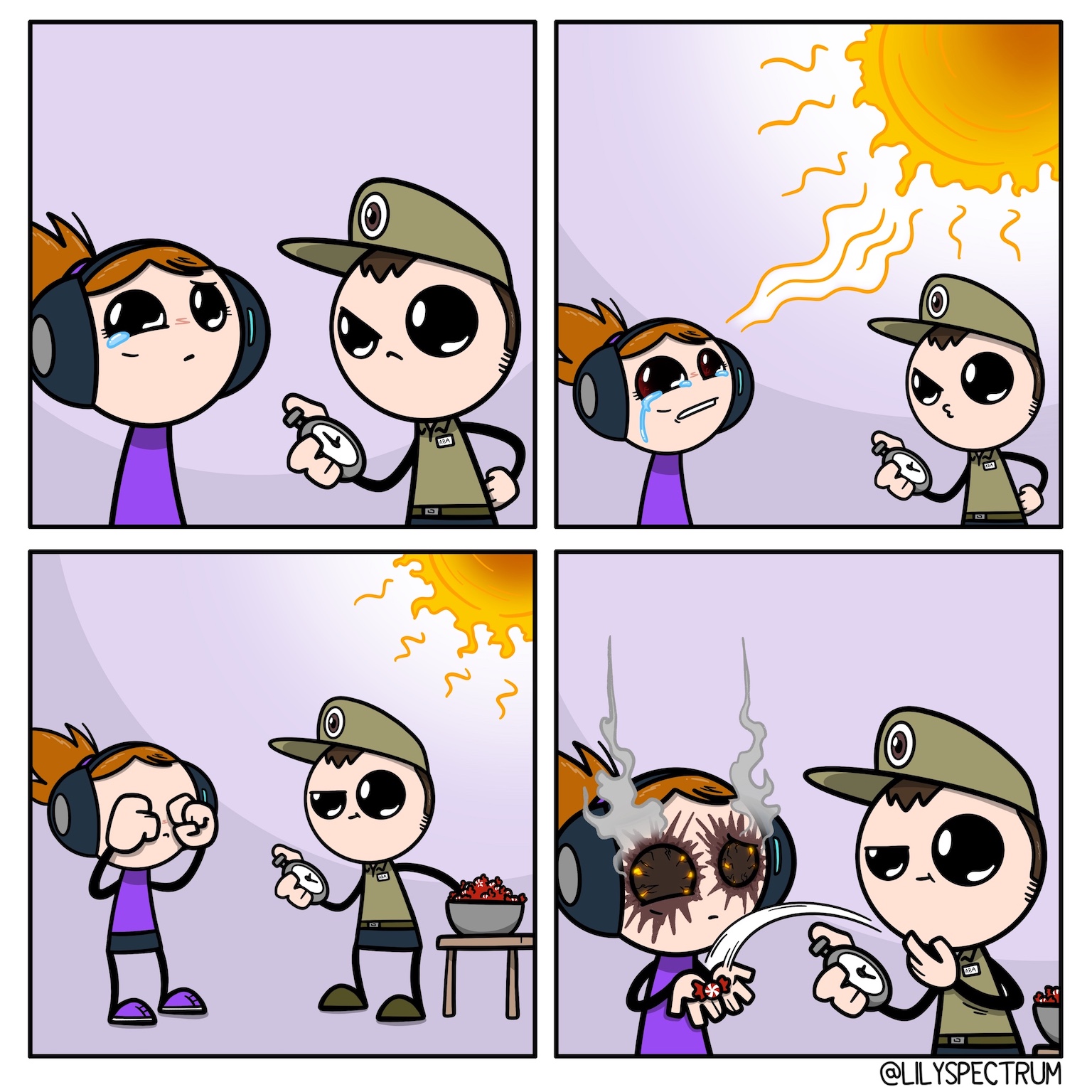
After all, who better to provide insight into a given lived experience than those who live it? To do so, we used social media (instagram and facebook) to ask autistic followers of our webcomic (@lilyspectrum): How does eye contact feel to you? Although we are neurodivergent, it was important for us to go with the community beyond our individual experiences. For instance, we would never have thought of the sunburn idea on our own, but once we read those testimonies, it felt right.
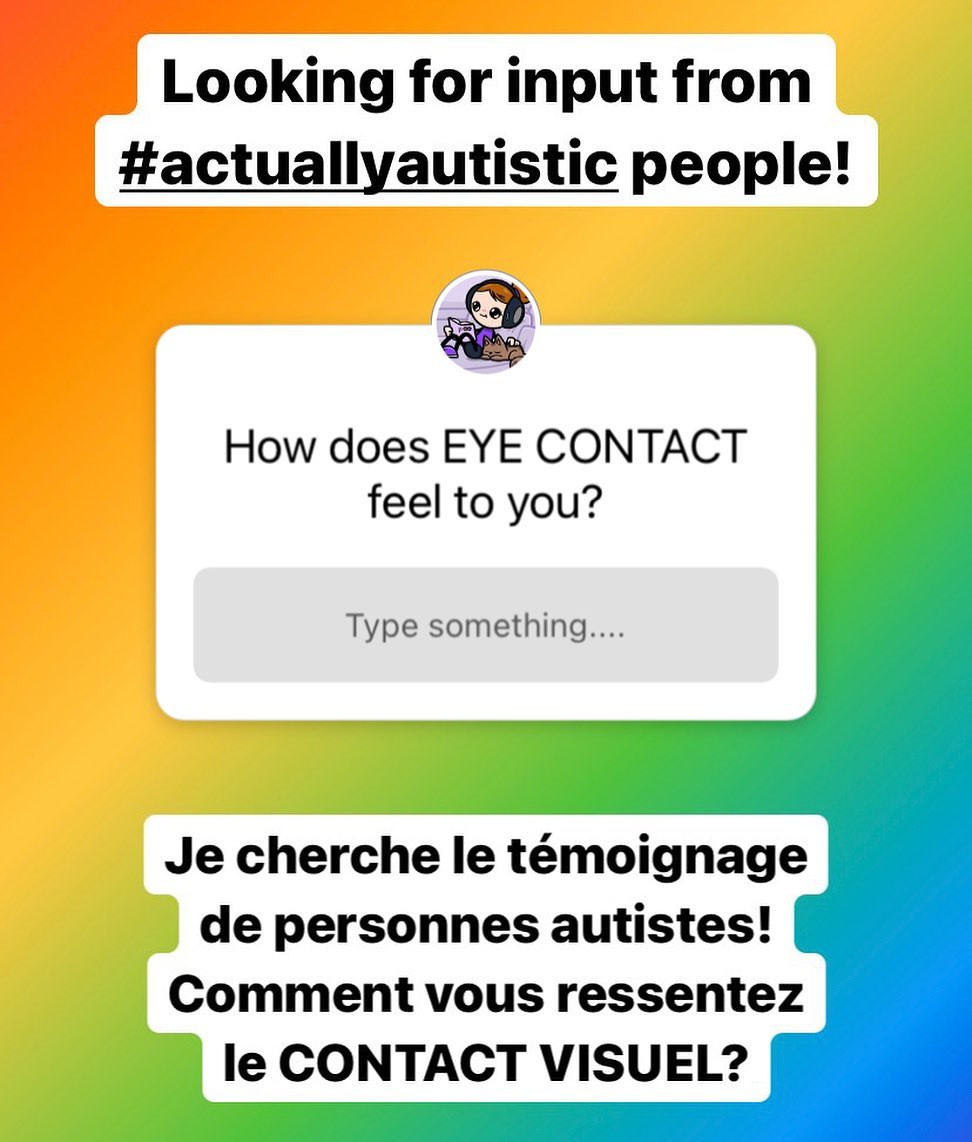
Both posts were made on November 8, and three days later, on November 11, we had received 175 testimonies. A few major themes emerged from these testimonies, which we used to base 7 webcomics or illustrations on. Keep in mind that, with this process, we do not claim to represent all there is to express about autists’ first-personal experience of eye contact. In fact, we suggest you visit these posts yourself to better understand the varied responses we got, and are still getting. And who knows, maybe this will allow you to add your own insight.
Publication
Since Monday, we have started to publish these comics on our social networks and we will continue to publish them in the following days
The interactions that take place around such webcomics are, we believe, an integral part of their complete aesthetic experience. These interactions often bring about clarifications, complementary details and descriptions or even added meaning. We thus invite you to visit these posts and interact with the community.
Webcomics
"I can do it but I can’t process anything else while doing it. My natural instinct and what feels the most right is to not look at someone’s face at all"
"It was drilled into me as a "rule" of politeness. I view it as just that, a rule. It's easy when there's multiple people because I can look around. But with one person, I have to look away or I end apparently end up staring"
"Everyone insisted on it, especially when they really wanted to correct a behavior or ensure I was paying attention. I honestly still don't love it, and prefer to look at noses or eyebrows to provide the impression I'm making eye contact"
"Eye contact was enforced during my childhood in mostly abusive ways and while it taught me to fake it, that made me hate it even more. Generally it just makes me uncomfortable and I find it quite distracting but it's also one of the most tiresome things to mask."
"Eye contact feels like they're staring into my soul, but with knives. I can make short eye contact before wanting to cry."
"It takes a concerted effort except for specific people."
"I’ve been so conditioned to make eye contact with people that when I met a lot of my friends for the first time they were kinda weirded out by me unblinkingly paying attention to them when they talked like 👁👄👁"
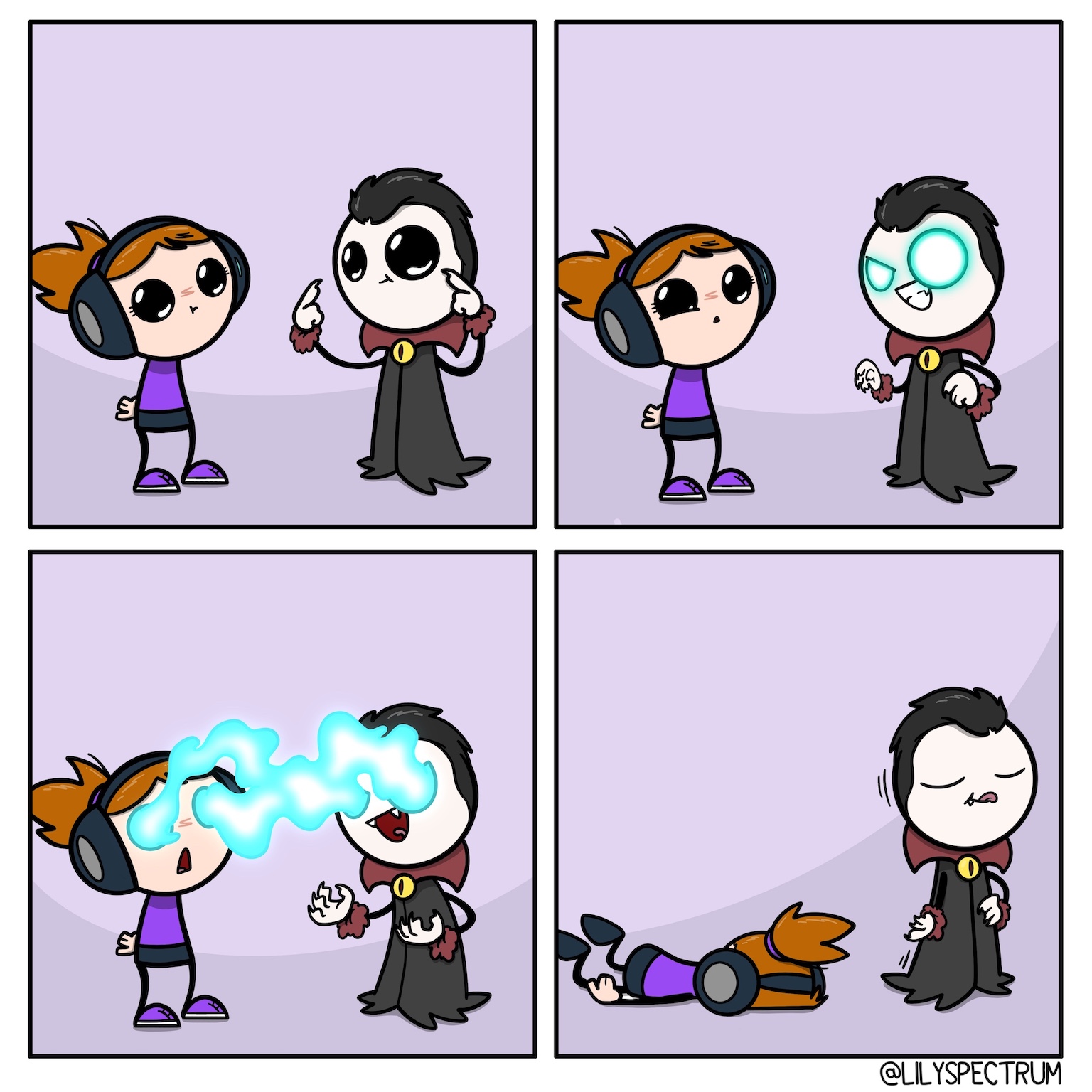
"It feels like someone is looking right past all my defenses and directly into my head. Not very pleasant."
"Terrifiant, j'ai vraiment l'impression qu'on me transperce à chaque fois …"
"Like I am being stabbed in the brain, itchy under the scalp, or suffocating. Anxiety is anxiety. I look at people's foreheads. They never know the difference but I am not forced to juggle the pain of eye contact and try to communicate. I am mostly non verbal and eye contact guarantees no words."
"Ça me met vraiment mal à l'aise et j'ai peur qu'on puisse mal interpréter si je regarde pas "correctement", je sais pas si je dois regarder quelqu'un dans les yeux ou combien de temps, il faut surtout pas que je regarde autre chose chez lui que ses yeux et du coup je sais pas quoi faire je préfère regarder le mur derrière mon interlocuteur 😂"
"Tout dépendra de la situation, de ma fatigue et de la personne. Certains contacts peuvent être transperçants (douloureux), d'autres envoutants (confusants), d'autres destabilisants (perturbants). En tous cas, si je regarde qqn dans les yeux, je suis sûr de perdre mon fil de pensée et/ou d'accorder mes réponses à ce que la personne ressent."
"Eye contact feels like burning discomfort, especially when I'm being told to do it."
"It’s extremely hard for me to maintain eye contact, and when people express to me that I should be looking at them when I’m talking to them, it puts me under more stress than just talking to them in the first place"
"somehow being told we should be making eye contact feels like being reprimanded as a child, at least to me.. I can't count the amount of times my mother would tell me to look her in the eyes as a child, and how humiliating/stressful it felt.. I legit forget to listen to people because I'm too busy trying to maintain eye contact."
"At best, awkward and uncomfortable. At worst, like someone's stabbed me in the eyes."
"It makes me uncomfortable but my mother forces me to look people in the eyes"
"Painful, but I feel like if I don't look ill be punished or called a liar. So I trained myself to look at something over their shoulder if not their foreheads to avoid harassment."
"Habituellement je regarde plutôt la bouche ou le nez des gens et ça semble passer crème pour donner l'illusion que je regarde dans les yeux (j'ai eu droit à l'expert en haute potentialité qui me disait que c'était impossible que je sois autiste car.. je le regardais dans les yeux ! Je regardais sa bouche depuis le début de l'entretien..). Je ne me force au contact visuel que de manière consciente et dans de rares cas précis : [suite]
(suite) par exemple si je suis attiré romantiquement par quelqu'un et désire que cette personne le perçoive (vu que le contact visuel accru est interprété de cette façon par beaucoup de neurotypiques). Mais cela reste un sacré effort et en général je détourne les yeux très rapidement, ça me met mal à l'aise, c'en est presque physique. Récemment un de nos profs en cours nous a fait faire une série d'exercices où on devait marcher vers quelqu'un/revenir à sa place à reculons en gardant le contact visuel constant avec cette personne.. je vous laisse deviner la torture que c'était"
"Transperçant!"
"J'ai l'impression que les yeux de la personne me percent à l'intérieur, je sais pas comment dire, c'est une sensation d'oppression aiguë."
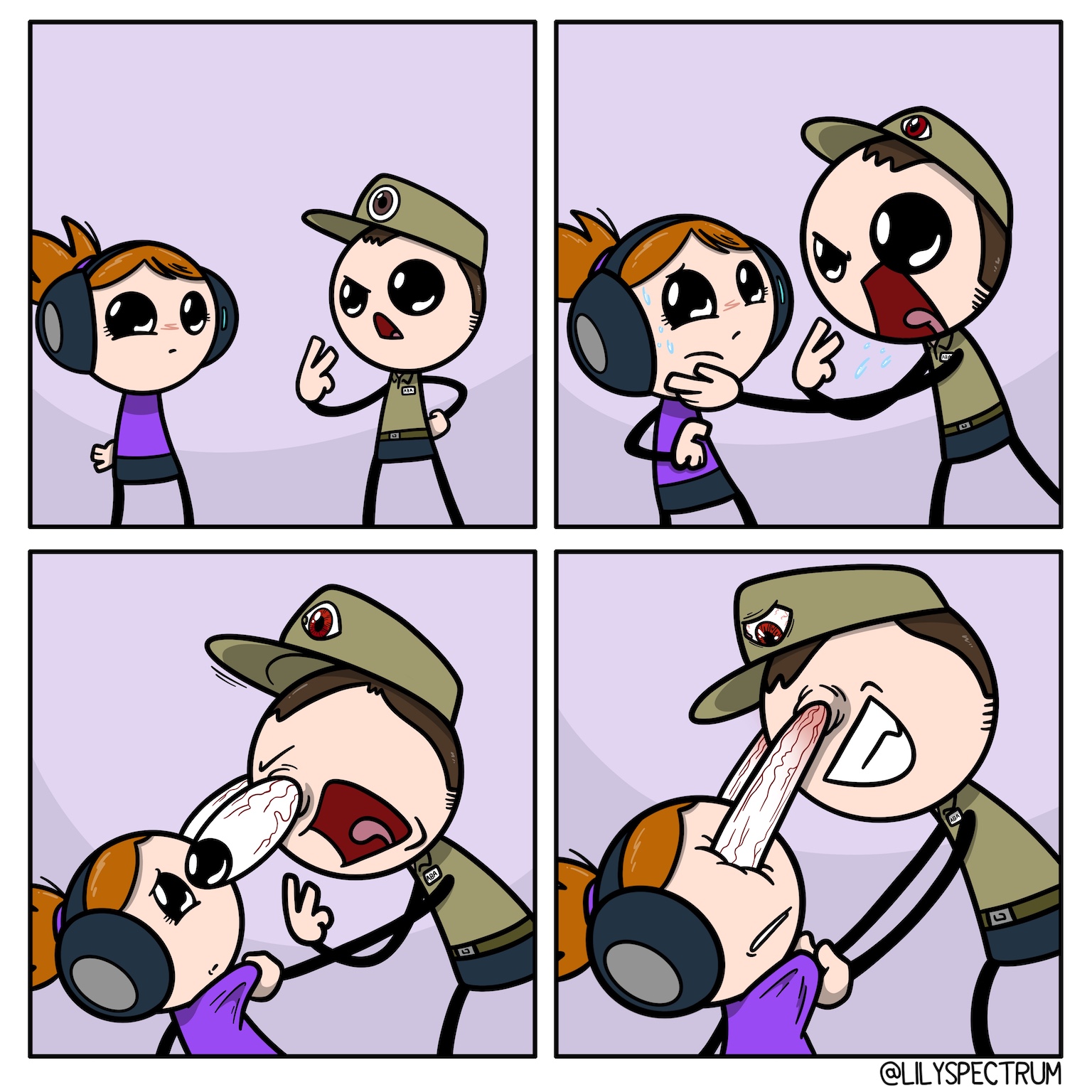
"For me, looking in the eyes feels too exposed and open. It makes me feel like I can't hide and protect myself from the people."
"Eye contact makes me uncomfortable most of the time, because of the feeling that I am being silently judged or getting talked about negatively."
"It's fine when I'm listening to someone but when I'm the one talking it makes me get stage fright like I'm being put on the spot to judge for performance lol"
"Too intimate, inappropriate… I become incredibly self conscious as well, like am I doing eye contact right? Should I be mirroring their behavior or a close approximation or complete opposite? How many times should I blink? Can they tell I’m faking this human interaction? It’s incredibly stressful."
"It feels like something is a required check box. It’s like a math problem. Look, one, two, three. Okay. Look away. Zone out if you need to. Okay, it’s been 10ish seconds. Look back. One, two, three.. okay, look away! Don’t share at them! Wait! You’ve looked away too long! Look back! …..it’s that on repeat quite often lol"
"I hate it I get so nervous and then I break down."
"I don't like it, makes me really uncomfortable. I'm "good at it", because I mask well (😬). I never know what to do, if I'm looking to much or not enough and always use a whole lot of energy just on eye contact. Generally, the more comfortable I feel the less I look someone in the eyes. (Also eyes as a body part make me feel really icky so that's that)."
"Intimidating and uncomfortable, I feel too vulnerable and keep thinking am I doing this right?"
"Ça me met vraiment mal à l'aise et j'ai peur qu'on puisse mal interpréter si je regarde pas "correctement", je sais pas si je dois regarder quelqu'un dans les yeux ou combien de temps, il faut surtout pas que je regarde autre chose chez lui que ses yeux et du coup je sais pas quoi faire je préfère regarder le mur derrière mon interlocuteur 😂"
"Eh bien, quand j’étais petit, je parlais et écoutais souvent le monde sans les regarder dans les yeux. Maintenant, ça me dérange pas de parler et écouter avec le contact visuel, mais j’peux très bien comprendre ce que le monde me dit sans obligatoirement les regarder dans les yeux. Aussi, c’est vrai que ça me rend un peu mal à l’aise quand des inconnus me fixe du regard. C’est comme s’ils me jugeaient et j’sais pas ce que j’ai fait de mal."
"Direct eye contact feels like I am being judged. It also makes me feel uncomfortable because I become unable to perceive and read the rest of their body language."
"Démunie, nue. Percée à jour. C’est très fort comme sensation, et rarement agréable. J’y arrive avec mes enfants ou mon mari, mais même dans ce cas, pas trop longtemps. Si je veux tenir une conversation, et me concentrer, alors je dois ruser. Je regarde entre les deux yeux ou le plus souvent la bouche."
"Feel nausea and anxiety, and extremely naked. Yet my mother was adamant that I learned it and therefore I am able to do it, despite the uncomfortable feelings. Absolutely love your work, for once I can tell that I am not alone"
"I feel instant stress and I have to force myself to do it and to look "natural"."
"Honestly, each time it happens to me, the most awkward feeling I have is « where should I look exactly » ? When you make eye contact, are you expected to focus one eye specifically (which one, then ?), between the eyes, not focus at all, or try a weird way of having each eye "looking" into the facing one (i.e. my left eye "looking at" their right one and vice-versa) ? I'm also never sure if/when eye contact is expected, and when it happens, is there/what is the hidden message behind this specific contact, and/or am I sending an incorrect hidden message myself ? Then, with all these questions actively consuming my brain "computing power", everything else totally miss the point (sometimes, though, I can hide this issue because I have this kind of ability to "replay" the last few words/sentence I unconsciously heard, to process it with a delay but potentially without the proper context- so it's not reliable at all !!). "
"Weird and artificial. I can actually read people's eyes now, but it took me years to learn it."
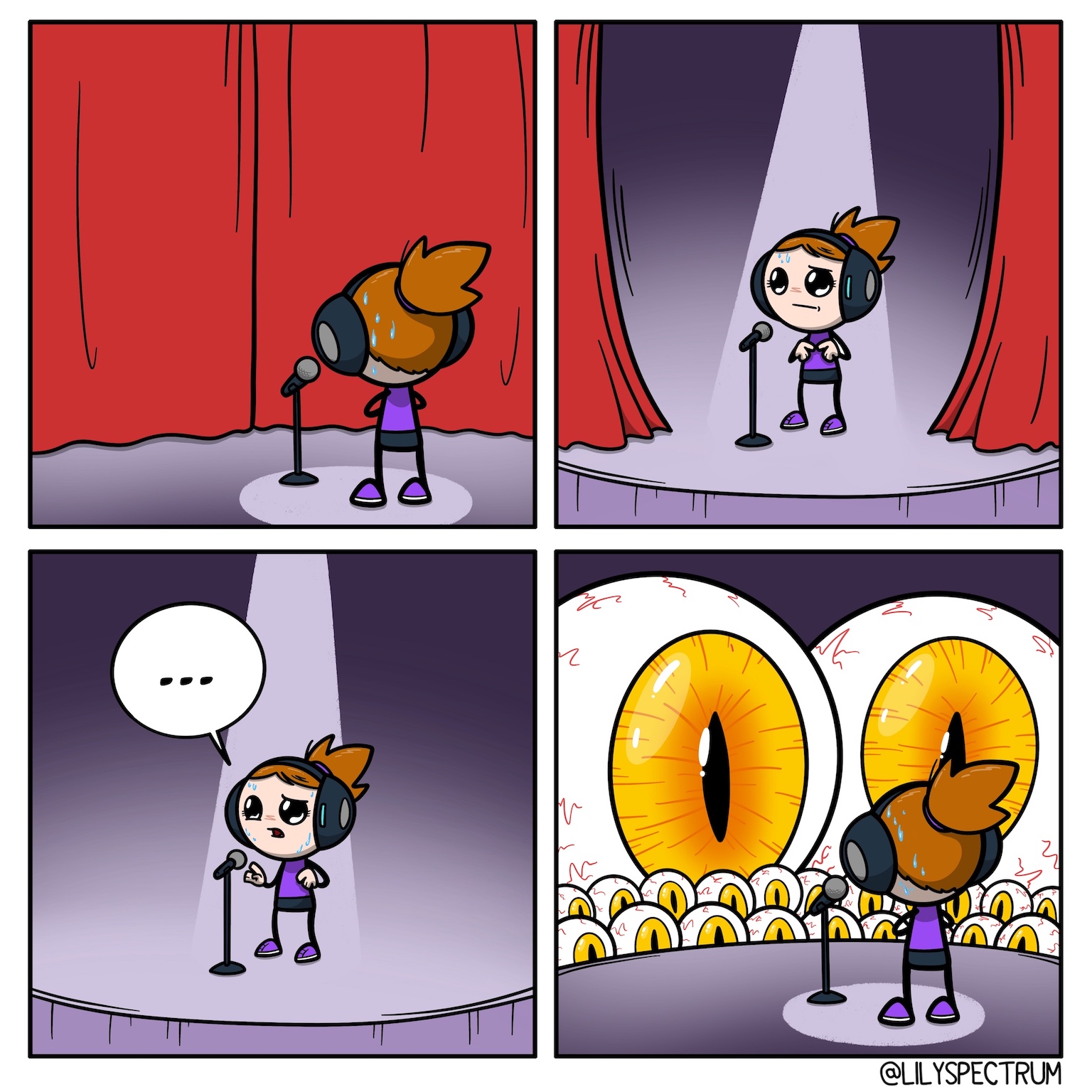
"My parents rasied me to always look into the eyes, still feels wrong. Like, I am invaiding a personal space and being rude. Like trying to stare down their soul and violating their privacy. I still try to look at people in the eyes but have learned to just looks in differents points in the face so I don't seem rude."
"Eye contact feels too intimate to me for most interactions. If I make eye contact with you, it’s because it’s important. "
"Eye contact feels very intimate. If I’m forced to hold it for too long, I feel violated, like I’ve been touched without consent."
"I really hate eye contact in almost all circumstances. About the only exception is with someone I'm very intimate with. Eye contact feels extremely intimate to me in general so it only feels natural when it's with someone I've got a suitably intimate emotional connection to. Otherwise it feels like I'm staring into someone's soul and I can see everything and they're staring into mine and seeing the same (even if I know they're not)."
"Invasive, extremely personal. I'm only comfortable looking my husband in the eyes"
"It feels like I’m standing too close to someone, I don’t know if that’s too vague of a comparison but it feels way too intimate. So I only do it when necessary or when I’m comfortable with that person."
"It feels creepy to me"
"I don't like it, makes me really uncomfortable. I'm "good at it", because I mask well (😬). I never know what to do, if I'm looking to much or not enough and always use a whole lot of energy just on eye contact. Generally, the more comfortable I feel the less I look someone in the eyes. (Also eyes as a body part make me feel really icky so that's that)."
"I hate eye contact. It almost hurts. But it’s nessesary to have a successful professional life, and my parents trained me well as a child. They would ask me people’s eye color after I met them to see if I made eye contact. Being trained like that at a very young age was incredibly difficult and felt unfair, but I’m very grateful that they pushed me now that I’m an adult."
"I can't do it, it makes me feel funny in a bad way and makes me feel kind of .. unsafe? and uncomfy I don't exactly know the word for the first one, I don't mind people looking at me but I won't look back"
"It's incredibly intimate and overwhelmingly so, particularly with strangers. And the more my emotions are revved up, the less I can tolerate it. It genuinely feels as though someone can see into my mind almost, even though I know that they can't. On the plus side, when I'm with someone I deeply, deeply love, sometimes that's okay because I want them to see how much I love them... but then that tends to make THEM feel awkward and uncomfortable too. LOL For me, it falls into the same category as standing too close, invading personal space, touching someone without consent etc. It's intimate, and can very easily become violating when you don't want it. And that;s so hard to explain to NT folk who expect you to look them in the eye all the time."
"It's okay with people I know, but I don't feel comfortable with eye contact with strangers, it almost feels like an invasion of privacy."
"eye contact feels so weird and creepy and if i have to make eye contact with someone, then ill quickly feel exhausted."
"It feels like a boundary rupture unless I completely and totally feel comfortable in a container of safety with another it probably won’t happen much."
"Well... I can't let anyone touch my eyeballs."
"Trop intrusif. Comme si l autre avait la perception de mes pensées. C est comme se montrer nue."
"Intense/ overwhelming/ fiery/ intrusive. Sometimes painful/ always difficult with strangers. Ok with intimate friends and family."
"Démunie, nue. Percée à jour. C’est très fort comme sensation, et rarement agréable. J’y arrive avec mes enfants ou mon mari, mais même dans ce cas, pas trop longtemps. Si je veux tenir une conversation, et me concentrer, alors je dois ruser. Je regarde entre les deux yeux ou le plus souvent la bouche."
"Feel nausea and anxiety, and extremely naked. Yet my mother was adamant that I learned it and therefore I am able to do it, despite the uncomfortable feelings. Absolutely love your work, for once I can tell that I am not alone"
"confronting and very intimate ..i feel naked"
"Quelque chose d'extrêmement intime, que je ne peux pas partager avec n'importe qui sinon je suis déstabilisée car je bloque sur cette sensation d'intimité forcée. Depuis le diagnostic, je me permets de ne plus regarder le visage des gens (je ne travaille pas). Quel soulagement!"
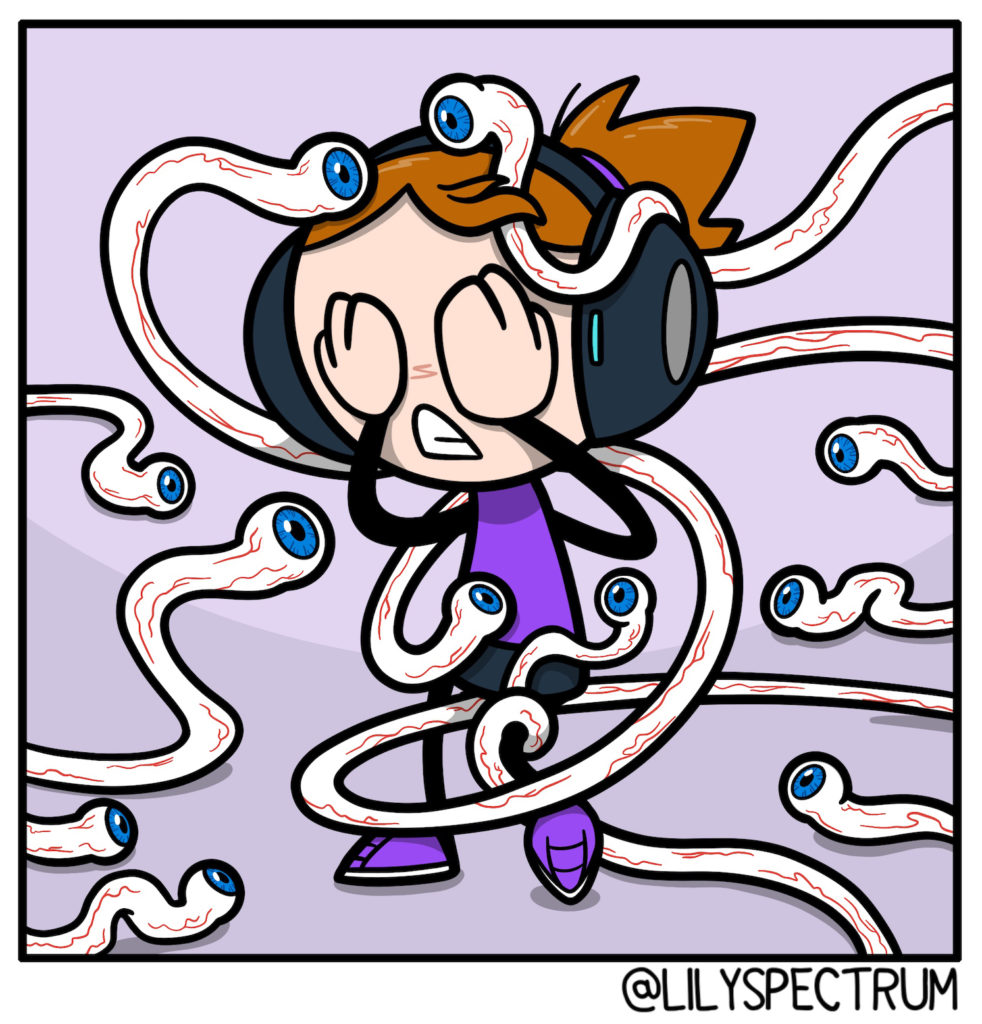
"Eye contact feels like they're staring into my soul, but with knives. I can make short eye contact before wanting to cry."
"It’s like being asked to look directly at the sun. I flinch, I can’t do it…"
"It feels like they gonna shoot me with laserbeams. Like Cyclops from X-Men. I van handle it for 10 seconds. I get panick attacks of it's to long. Even with my bf makes me on edge. I got a major panic attack during a being social etc exam (idk how it's in English is). It was so bad. They let me past because otherwise i needed to do the whole year over."
"Feels like I’m staring at the sun and I can only look a person in the eyes for 30 seconds or so before my eyes start to hurt a bit. I can only look animals in the eye."
"Like flames of intense awkwardness are scorching my retinas."
"When I was younger I always had trouble making eye contact. I’ve gotten better at it in recent years but its still painful to me."
"Eye contact feels like burning discomfort, especially when I'm being told to do it."
"Ça me demande beaucoup de concentration. J'ai l'impression que ça me fait mal aux yeux et quand j'étais plus jeune je pouvais même ne plus vraiment entendre ce que la personne me disait. Par contre ce n'est plus un problème quand je me mets vraiment en colère au point de vouloir me battre."
"Ca va de la gêne à la sensation de brûlure, ça dépend des personnes je suppose. On peut parfaitement regarder le nez, la bouche, entre les yeux sans que l'autre ne sen rende compte."
"I can’t think if I have to. Feels like pressure."
"Bad, I feel like my head is going to explode if I look at someone's eyes for too long. I suspect it's probably a blood pressure drop or adrenaline, but it feels awful. I honestly don't get why so many people require eye contact when speaking. I can make eye contact, but it's really difficult to understand what the person is saying because I'm too focused on how uncomfortable I feel and how incredibly awkward it is to stare at someone's eyes"
"It feels literally painful and I’m always afraid the other person can tell what I’m feeling/thinking. I’m comfortable with eye contact with very trusted folks in my life though."
"Painful"
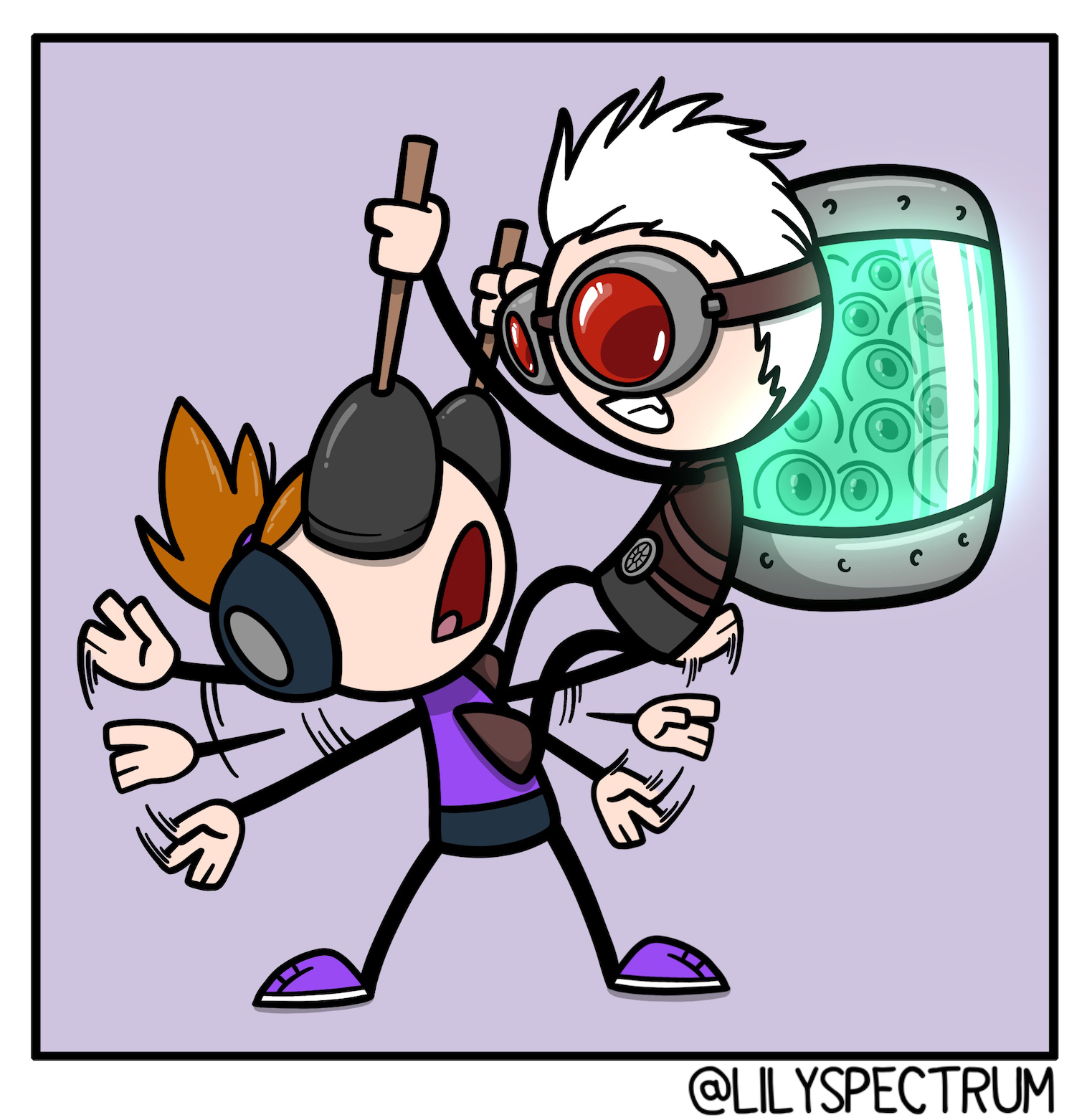
"I really hate eye contact in almost all circumstances. About the only exception is with someone I'm very intimate with. Eye contact feels extremely intimate to me in general so it only feels natural when it's with someone I've got a suitably intimate emotional connection to. Otherwise it feels like I'm staring into someone's soul and I can see everything and they're staring into mine and seeing the same (even if I know they're not)."
"I cant make eye contact with literally anyone. Its uncomfortable, and even when its not, i cant listen proberly to what people are saying when i focus on the eyes. I just cant do it at anytime with anyone, only for one second maximum. Its like staring into someone's soul, its too much."
"J’ai l’impression d’être absorbée par les yeux de la personne et en même temps comme si on pouvait voir ce qu’il y a à l’intérieur de moi."
"honestly it feels like i am being sucked into their soul… i can’t maintain it if i want a conversation because i just get lost"
"Like someone staring at my soul? I almost feel like that's the part of masking that exhausts me the most!"
"It's uncomfortable. But sometimes if I want to intimidate someone I stare deep into their eyes and make them feel unnerved like I'm looking into their soul."
"Tout dépendra de la situation, de ma fatigue et de la personne. Certains contacts peuvent être transperçants (douloureux), d'autres envoutants (confusants), d'autres destabilisants (perturbants). En tous cas, si je regarde qqn dans les yeux, je suis sûr de perdre mon fil de pensée et/ou d'accorder mes réponses à ce que la personne ressent."
"Trop intrusif. Comme si l autre avait la perception de mes pensées. C est comme se montrer nue."
"J’ai l’impression d’entrer dans l’âme de la personne. Je trouve ça trop privé. Alors je ne regarde que ceux dont j’ai vraiment envie de découvrir ce qu’il y a au plus profond d’eux même"
"I'm okay with it for small periods of time, but if it's more than a minute, I have to look away, it makes me super uncomfortable after that"
"It took me around 2 years to be able to do eye contact (kind of struggle still-) but normally if im uncomfortable looking at the eyes, ill just look at the nose instead"
"Awkward. The longest I can probably do it is for a few seconds, but sometimes it’s physically impossible for me to look someone in the eyes even for one second."
"Ça me met juste très mal à l’aise, et du coup je préfère regarder ailleurs et ne regarde les gens dans les yeux s’iels ne me regardent pas."
"Incapable de soutenir un eye contact sauf avec certaine personnes... Ma famille (ma mere, mon pere, ma soeur), ma nièce, mon beau frère et mon conjoint. Quelques amis specifique aussi... Mais sinon incapable. Je chercher tjrs a "évader" ses eye contact."
"Uncomfortable. I have trouble maintaining eye contact for long, especially in a conversation. However, I did figure out that talking with your hands is a great way to distract the other person's eyes from your and gives you a reason not to look at them."
"havent made eye contact with anyone (while i'm talking to them, that is) except my cats in years if that tells you anyone"
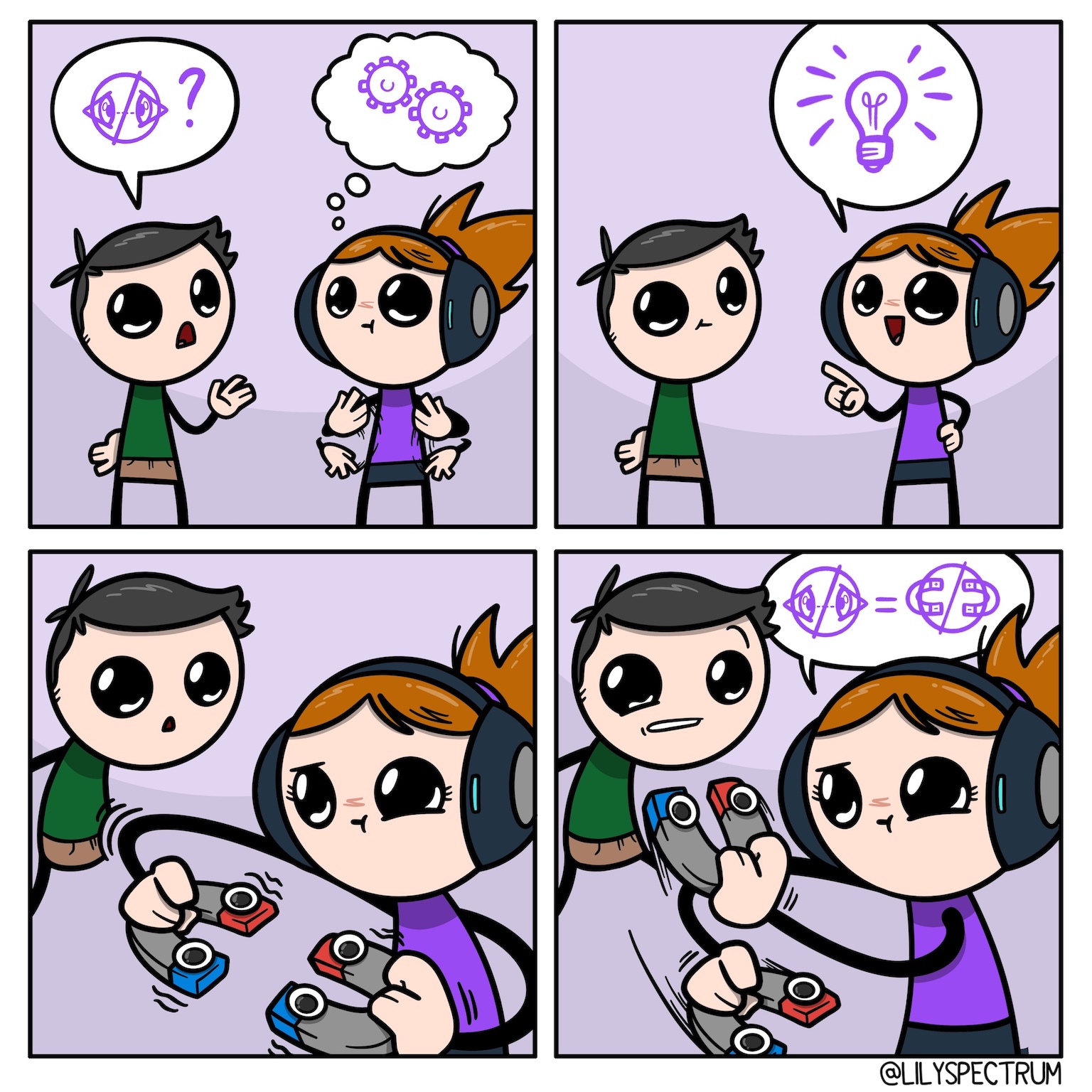
"When I was younger, it used to feel like when you held two magnets together both ends the same, it felt like no matter how hard you held them together, it would want to repel forcefully, my head wanted to repel and look past to the left or right or down or up like a magnet would, and when I managed to hold it against that feeling, my eyes would water up, not tears from sadness or anything, but they released tears, now I can manage it but it's still not comfortable to do, it depends on how comfortable I feel with the person or people or how stimulated I feel in an environment"
"It’s like when you hold two magnets with the same polarity against each other. Even if you want to put them together they won’t do it. The magnets are like my eyes. They just can’t center on the other persons eyes or it will cost a lot of energy. Like with holding magnets with the same polarity together. It’s just all in all very uncomfortable and draining. Btw I’m undiagnosed so I hope I can still answer here. Also I really really love your account and the stuff you do ^^ /g"
"Ça me met vraiment mal à l'aise et j'ai peur qu'on puisse mal interpréter si je regarde pas "correctement", je sais pas si je dois regarder quelqu'un dans les yeux ou combien de temps, il faut surtout pas que je regarde autre chose chez lui que ses yeux et du coup je sais pas quoi faire je préfère regarder le mur derrière mon interlocuteur 😂"
"Je me sens obligé de regarder chaque personne dans les yeux mais aussitôt que le contact est réciproque je baisse le regard aussi vite que mon ombre ainsi j'ai l'impression que j'ai fait ma part! haha! Par contre avec le monde avec qui je suis très, très à l'aise je vais quelque fois fixer les yeux, on dirait que j'essaie de comprendre pourquoi je fuis ceux des inconnus, alors je fixe en grand questionnement interne!"
"Awkward and physically painful , strong need to move my eyes away from it"
"Souvent trop intense… Et en plus il se passe tellement de choses autour des yeux qui m'intéressent plus et/ou me sécurisent plus! Je fixe puis je zappe, j'y reviens et je rezappe… Les sourcils, les lunettes, sont des bons compromis aussi, ou fixer mon regard dans le vague direction le visage ou le pourtour du visage… Ou fixer le visage avec une attitude très intéressée (posture corporelle de l'attention soutenue) quand la personne regarde AILLEURS, et quand son regard se tourne vers moi, fixer 1s seconde, sourire, et me tourner ailleurs vers qqn d'autre qui parle mais ne regarde pas vers moi à ce moment là, ou trouver à m'occuper avec un objet, et jongler comme ça."
"Je n'aime pas regarder sans les yeux, je ne sais pas, c'est plus fort que moi, je suis mal à l'aise, je ressens le besoin de regarder ailleurs. Du coup j'aime bien discuter quand je suis au resto ou quand on fait une activité, il y a l'excuse d'être occupée en même temps pour ne pas se regarder"
"Habituellement je regarde plutôt la bouche ou le nez des gens et ça semble passer crème pour donner l'illusion que je regarde dans les yeux (j'ai eu droit à l'expert en haute potentialité qui me disait que c'était impossible que je sois autiste car.. je le regardais dans les yeux ! Je regardais sa bouche depuis le début de l'entretien..). Je ne me force au contact visuel que de manière consciente et dans de rares cas précis : par exemple si je suis attiré romantiquement par quelqu'un et désire que cette personne le perçoive (vu que le contact visuel accru est interprété de cette façon par beaucoup de neurotypiques). Mais cela reste un sacré effort et en général je détourne les yeux très rapidement, ça me met mal à l'aise, c'en est presque physique. Récemment un de nos profs en cours nous a fait faire une série d'exercices où on devait marcher vers quelqu'un/revenir à sa place à reculons en gardant le contact visuel constant avec cette personne.. je vous laisse deviner la torture que c'était"
"Lorsque c'est quelqu'un avec qui je suis à l'aise ca va à une certaine distance mais de trop prêt je ressens un malaise assez vite. Si j'ai le malheur de croisé le regard avec un(e) inconnu(e) dans la rue ou dans un commerce, je regarde ailleurs aussitôt, gros malaise. C'est pour ça que j'évite de regarder les gens."
Thank you for joining us in this exploration!
We hope this experience was (and will be) as enriching for you as it was for us to come up with. We invite you to engage with us and the community through our posts or in the comments bellow!
В этой публикации мы обсуждаем современные методы лечения различных заболеваний. Читатели узнают о новых медикаментах, терапиях и исследованиях, которые активно применяются для лечения. Мы нацелены на то, чтобы предоставить практические знания, которые могут помочь в борьбе с недугами.
Что скрывают от вас? – капельница от запоя в Щёлково
Επιτέλους ένα άρθρο που μιλάει ρεαλιστικά για τη νυχτερινή σκηνή. Για πιο προσωπική διασκέδαση με athens escorts greece, χρήσιμο είναι και το independent call girl Athina .
En fotos se nota mucho cuando el lifting está bien hecho, la mirada cambia bastante. promoción lifting pestañas Barcelona precio
dorcel porn
El resguardo de tus datos personales es una maxima importancia en la web Spino Gambino Spino Gambino . Saber como se maneja, recolecta y protege tu informacion privada es esencial para tener una vivencia segura, clara y confiable en todo momento. Al entrar al sitio web oficial de Spinogambino, es muy bueno dedicar unos minutos a revisar con calma su normativa de seguridad, disponible para todos los clientes.
Este texto detalla los metodos mediante los cuales el sitio gestiona la informacion que brindas al darte de alta o al operar con sus juegos. En Spino Gambino, la seguridad es un pilar central, por lo que se utilizan sistemas modernos de cifrado y medidas tecnicas de ultima generacion para aseverar que tus datos y economicos permanezcan protegidos contra accesos no autorizados. La politica detalla de forma transparente que clase de datos se recopila, como detalles de contacto o informacion tecnica, y indica que estos datos nunca se cedera con agentes externos sin tu autorizacion previa, a menos que sea obligatorio por requerimientos legales.
Ademas, el sitio de Spinogambino destaca en el acatamiento de la ley actual en materia de proteccion de datos. Al explorar por la web, el usuario tambien puede hallar informacion sobre el uso de cookies, las cuales se emplean para optimizar la funcionalidad del portal y personalizar la experiencia del jugador de manera segura. Si en algun momento deseas ejercer tus derechos de acceso, rectificacion, cancelacion u oposicion, la normativa de Spino Gambino senala los procedimientos concretos a seguir para contactar con su servicio tecnico especializado. La transparencia es la fundamento de la confianza en todo portal de entretenimiento online. Por ello, te animamos a leer periodicamente esta pagina para estar al tanto de cualquier actualizacion en las politicas de Spinogambino, asegurando asi un entorno de juego donde tu tranquilidad y proteccion sean siempre lo primero mientras disfrutas de tus juegos preferidos en la web.
Well done! Discover more at ייעוץ להבראה כלכלית .
gained traction as one of the most sought-after web-based gambling venues in ongoing periods, offering players a varied range of betting opportunities, compelling rewards, and a straightforward system Naobet Online Casino . Whether you’re looking for a dependable Naobet web-based gaming platform or conducting a thorough Naobet analysis, this tutorial will support you appreciate what drives this casino shine in the highly world of virtual playing venues.
Naobet Gaming is well-known for its extensive library of activities, ranging from slot-based entertainment, table entertainment, real-time hosted choices, and athletic gambling. The site targets both casual visitors and seasoned enthusiasts, assuring there’s something special for everyone. One of the major attractions of Naobet is its lucrative greeting incentive, which commonly includes complimentary plays and deposit perks, positioning it an attractive choice for prospective gamblers. Ongoing offers and loyalty rewards in addition enhance the playing experience, confirming long-term commitment.
For those seeking a wagering review, it’s critical to highlight that the site prioritises protection and transparency. Visitors can rely on a polished and highly-developed system that functions smoothly throughout platforms, no matter on desktop or smartphone. The site also stresses ethical playing, delivering options like deposit restrictions and self-restriction venues to support gamblers keep in possession.
If you’re considering experimenting web-based gaming, it’s valuable to delve into its reputation among visitors. Many reviews stress its rapid disbursements, clear play suppliers, and outstanding customer service. Despite this, as with any web-based entertainment site, it’s important to confirm the casino’s approval and regulatory adherence before initiating a investment.
Whether you’re hunting for a Naobet casino analysis or basically searching options, shines as a dependable and engaging choice for web-based entertainment enthusiasts. With its extensive entertainment range, generous rewards, and commitment to gambler pleasure, it’s no a shock that persists to build popularity in the United Kingdom and beyond. Always confirm you wager mindfully and examine the newest terms before joining.
Với Hitclub, người chơi có thể lựa chọn hình thức giải trí phù hợp với sở thích, từ những ván bài quen thuộc đến trò chơi có nhịp độ nhanh như bắn cá và slot. Nền tảng hỗ trợ truy cập qua web, iOS và Android, giúp người dùng tiếp tục trải nghiệm trên thiết bị đang sử dụng mà không cần phụ thuộc vào một màn hình cố định.
Appreciate the comprehensive insights. For more, visit מסעדה חלבית כשרה .
“Lo que más me gusta de mi procedimiento favorito es que no solo influye en la apariencia, también en la confianza con la que te presentas ante los demás.” mejor precio HIFU Barcelona
vr cumshot
Whether you’re a new player or a seasoned pro, the 22bet casino bonus, https://vutcertifications.com/guide-til-free-spins-tips-og-tricks-til-at-maksimere-dine-gevinster/ offers an incredible opportunity to maximize your gaming experience. With attractive promotions, gamers can enjoy additional funds and complimentary spins to enhance their gameplay. Don’t miss out!
Safety is often better managed in a small household-style setting. It’s easier for staff to notice subtle changes in behavior that might signal a problem. That’s one thing I picked up from researching senior living .
Loved that you encouraged multiple visits with different family members. I’ll reference this idea in my planning articles on respite care .
Safety is often better managed in a small household-style setting. It’s easier for staff to notice subtle changes in behavior that might signal a problem. That’s one thing I picked up from researching ##anyKeyword##.
Loved that you encouraged multiple visits with different family members. I’ll reference this idea in my planning articles on ##anyKeyword##.
В этой публикации мы обсуждаем современные методы лечения различных заболеваний. Читатели узнают о новых медикаментах, терапиях и исследованиях, которые активно применяются для лечения. Мы нацелены на то, чтобы предоставить практические знания, которые могут помочь в борьбе с недугами.
Информация доступна здесь – кодировке от алкоголя
Family-friendly events need more sinks at kid height— portable toilets reminded us to ask.
Ask about disposal documentation after pumping. Our hauler from septic repair provided manifests.
Family-friendly events need more sinks at kid height—##anyKeyword## reminded us to ask.
Ask about disposal documentation after pumping. Our hauler from ##anyKeyword## provided manifests.
Naobet Casino has become a widely debated virtual gambling venues in recent times, offering a extensive collection of games, lucrative incentives, and a easy-to-navigate system Naobet Casino . From a well-versed better or a newcomer to the realm of digital betting, Naobet Casino provides an thrilling venture that meets everyone’s likes.
In this deep dive, we’ll explore what distinguishes NaoBet Gaming above the rest, its key aspects, and the reasons why it has secured such broad respect among players in the United Kingdom and beyond the digital sphere.
NaoBet Gaming, known as NaoBet Gaming Hub, is a venue that showcases top-tier playing experiences. The site includes a huge library of entertainments, covering slots, blackjack entertainments, virtual host choices, and right down to sports betting. A defining features of Naobet Casino is its dedication on fairness. Everyone can rely on that the games are run by leading programming teams like Net Entertainment Group, Micro Games, and Evolution Group, validating a just and protected gaming area.
For first-timers, NaoBet Online offers lucrative sign-up rewards, such as match deposits and bonus spins, which can substantially strengthen their stash. The site also delivers regular offers, including cashback offers, loyalty schemes, and unique events, confirming that bettors perpetually have an incentive to look forward to.
The player layout is minimalist and user-friendly, facilitating moving around effortless, no matter if you’re entertaining on computer or mobile.
When assessing Naobet Casino Review, it’s crucial to mention the venue’s licensing and regulatory alignment. While Naobet works in areas where virtual wagering is regulated, it’s constantly recommended for players to verify the venue’s trustworthiness before depositing a payment. The hub also focuses on punter security by deploying SSL protection, protecting personal and monetary information from unverified access.
Another notable feature of NaoBet Online is its client assistance, which is ready non-stop through real-time messaging, electronic mail, and even call assistance. This guarantees that gamblers can swiftly solve any queries, boosting the entire playing journey.
In summary, the NaoBet Gaming Review emphasises a hub that blends a vast entertainment range, appealing bonuses, and a trustworthy entertainment area. No matter if you’re hunting for thrilling slots, tactical poker entertainments, or real-time host excitement, NaoBet Online has a choice for every player. As with any online casino, responsible gambling is paramount, and NaoBet Gaming recommends punters to set limits and gamble responsibly. If you’re hunting for NaoBet Online, this site is undoubtedly valuable considering for an memorable and satisfying gaming journey.
Информация об обращении не передается третьим лицам, а детали лечения обсуждаются только с пациентом.
Подробнее – врач вывод из запоя в Кемерово
coconey porn
The idea of trial stays or respite care as a test run is brilliant. We mention this as an option on senior care as well.
The idea of trial stays or respite care as a test run is brilliant. We mention this as an option on ##anyKeyword## as well.
Этот медицинский обзор сосредоточен на последних достижениях, которые оказывают влияние на пациентов и медицинскую практику. Мы разбираем инновационные методы лечения и исследований, акцентируя внимание на их значимости для общественного здоровья. Читатели узнают о свежих данных и их возможном применении.
Где можно узнать подробнее? – помощь алкоголикам в щелково
Puerta del baño con bordes dañados cómo eliminar bichitos en el baño
Puerta del baño con bordes dañados
HVAC tune-ups, maintenance, and filter recommendations can extend system lifespan. This is worth checking: Drain Cleaning
HVAC tune-ups, maintenance, and filter recommendations can extend system lifespan. This is worth checking: ##anyKeyword##
Siempre que deseas hallar una aventura de juego fascinante en el sector nacional, es posible que hayas oido referirse a winairlines winairlines opiniones . Esta plataforma se ha establecido velozmente como una opcion relevante para los jugadores que buscan ocio de alta calidad comenzando en la tranquilidad de su domicilio. Al explorar winairlines online, los usuarios se topan con una pantalla facil y una seleccion de pasatiempos que cumple tanto a novatos asi como a expertos en el campo.
Al analizar las winairlines opiniones de los usuarios, sobresale principalmente la variedad de su catalogo y la proteccion que brinda la compania. Los jugadores en Espana que eligen winairlines espana valoran especialmente la agilidad en los pagos y la asistencia tecnica, aspectos basicos para disfrutar sin temores. En caso de cuestionarte por que destaca a este espacio, es suficiente con revisar una winairlines casino resena detallada para apreciar que la experiencia de usuario es una meta plena en sus funciones.
Al ingresar en winairlines casino online, te sumerges en un espacio elaborado con los mas recientes protocolos, avalando suavidad y elementos visuales atractivos. La cartelera de opciones en el casino winairlines es amplia y polifacetica, abarcando partiendo de las tradicionales tragaperras incluso alternativas de casino en vivo que te te provocan la sensacion de como si estuvieras en una casa de juego real. Para quienes buscan en un winairlines online casino confiable, esta pagina evidencia ser un competidor solido gracias a su dedicacion con el ocio controlado y la claridad.
Como conclusion, si resides en nuestro estado y pretendes una opcion de elite, winairlines espana significa una opcion justa y divertida. La mezcla de su estilo novedoso, la sencillez de manejo y la firmeza del winairlines casino logran que cada visita sea memorable. No es de admirar que cada vez mas jugadores apuesten en este dominio para sus tiempos libres. Ten presente constantemente apostar moderadamente y disfrutar de cada cosa que este proveedor tiene listo para ti en el apasionante mundo del azar online.
Al momento de encontrar un entorno seguro, profesional y emocionante para disfrutar de los juegos de azar, es fundamental saber quien esta detras de la web que seleccionas Spino Gambino . La pagina acerca de nosotros de Spinogambino es el lugar perfecto para comprender los principios y objetivos de este proveedor. En Spino Gambino, la prioridad absoluta es ofrecer una vivencia clara, donde la entretenimiento se una con una proteccion maxima para todos los usuarios en Espana.
El grupo humano que integra Spinogambino ha trabajado sin descanso para crear un espacio que no solo sobresalga por su amplio catalogo de juegos, sino tambien por su dedicacion con el juego responsable. Al navegar por su apartado de empresa, los jugadores descubren una filosofia centrada en la honestidad, el compromiso y la innovacion tecnologica. Desde el primer dia, Spino Gambino ha tenido claro que la confianza es el valor mas valioso, y es por ello que cada decision en la web esta basada en procesos rigurosos que aseguran un entorno justo y claro.
La trayectoria de Spinogambino refleja una mejora continua, ajustandose a las exigencias de un publico cada vez mas exigente que busca no solo diversion, sino tambien excelencia. El exito de Spino Gambino se fundamenta en la cercania con sus jugadores, ofreciendo sistemas de ayuda y atencion al cliente que resuelven cualquier duda con rapidez. Al explorar su historia y sus metas, queda claro que este sitio se posiciona como un referente en el sector gracias a su enfoque humano. Ya sea que prefieras las novedades recientes en tragaperras o una experiencia de casino en vivo inmersiva, saber quienes dirigen la empresa te da la tranquilidad necesaria para enfocarte unicamente en disfrutar. En definitiva, esta seccion es la prueba del esfuerzo constante que Spinogambino mantiene con cada uno de sus jugadores, reafirmando su imagen como un lugar seguro en el mercado altamente competitivo.
I like how you suggested creating a written checklist. We offer a printable checklist on assisted living abilene tx that follows a similar structure.
I enjoyed this read. For more, visit מסעדה איטלקית לאירועים .
I like how you suggested creating a written checklist. We offer a printable checklist on ##anyKeyword## that follows a similar structure.
I enjoyed this read. For more, visit ##anyKeyword##.
Maintenance staff scheduling was easy with portable toilets ’s service interval guide.
Maintenance staff scheduling was easy with ##anyKeyword##’s service interval guide.
Этот текст представляет собой обзор свежих данных и исследований в области медицины. Он призван помочь читателям понять, как научные достижения влияют на лечение, диагностику и общее состояние системы здравоохранения.
Открой скрытое – Кодирование от алкоголизма рязань
Spinmama, https://www.manufakturapigwowca.pl/spinmama-weryfikacja-adresu-wyplaty-na-twoim-koncie/ услуживает родителям оригинальные решения для воспитания детей. Каждый продукт изготовлен с учётом интересов малышей. Обоснованные методы поспособствуют в воспитании гармоничной личности.
zdroj, https://bebidaverde.com/ceske-kasina-pre-slovakov-zabava-a-prilezitosti/ offers a unique opportunity for those seeking guidance in their field. By leveraging up-to-date resources and techniques, individuals can boost their skills and make informed decisions in their profession.
For hillside lots, engineered retaining and drainage is key. I sourced a qualified team via septic installation .
For hillside lots, engineered retaining and drainage is key. I sourced a qualified team via ##anyKeyword##.
Appreciate the detailed insights. For more, visit משכנתא למחיר למשתכן .
Dieses digitale Spielplattform PiperSpin hat sich als beliebte Adresse für Casinospieler etabliert, die nach einer seriösen Spielumgebung für ihre Favoritenspiele suchen piperspin . Besonders interessant ist, dass der Zugang über den Markennamen PiperSpin intuitiv und intuitiv gestaltet ist, sodass auch Anfänger schnell den Zugang finden. Wer nach dem Eingeloggtsein auf dem Piper Spin Casino auf der Suche nach einem breiten Spieleauswahl ist, wird hier auf seine Kosten, denn das Casino bietet eine Vielzahl an klassischen und modernen Slotmaschinen sowie Tischspielen.
Die Spielseite richtet sich dabei ausschließlich an Gastspieler, die Wert auf eine zuverlässige und transparente Atmosphäre legen, was durch positive PiperSpin Erfahrungen von Besuchern in Deutschland untermauert wird. Besonders hervorzuheben ist die Möglichkeit, direkt über die Piper Spin Casino Eingabeseite auf die Optionen zuzugreifen, ohne lange Prozeduren in Kauf nehmen zu erfordern. Für viele Nutzer stellt das Casino eine überzeugende Variante zu anderen Plattformen dar, da es sich durch eine einfache Organisation und eine praktische Schnittstelle auszeichnet.
Die Highlights des PiperSpin Casino liegen in seinen modernen Funktionen, die sowohl Neulinge als auch erfahrene Spieler überzeugen. Ein ausgezeichneter Pluspunkt ist die umfassende Palette an top Automaten, die durch anreizende Gewinnaktionen und wiederkehrende Turniere ergänzt wird, sodass Gastspieler stets die Option auf zusätzliche Gewinne haben. Wer sich für die PiperSpin Login-Funktionen interessiert, wird feststellen, dass das Casino besonders sicher und schnell funktioniert, was den Spielspaß erheblich verbessert. Darüber hinaus bietet das Spielportal eine übersichtliche Übersicht über die zugänglichen Bezahloptionen, sodass Ein- und Überweisungen ohne Hürden stattfinden. Die guten Piper Spin Feedback vieler Besucher bestätigen zudem, dass das Service-Team immer hilfsbereit und professionell agiert, was für ein positives Spielerlebnis sorgt. Besonders in Deutschland schätzen Spieler die einfache Kontaktaufnahme und die Beachtung der gesetzlichen Standards, was das Zutrauen in die Plattform weiter stärkt.
Das Piper Spin Casino spricht vor allem Spieler an, die großen Stellenwert auf eine fortschrittliche, aber dennoch einfache Casino-Webseite legen und dabei auf eine große Palette an Spielen zurückgreifen möchten. Wer nach einem vertrauenswürdigen Piper Spin Casino sucht, das sowohl klassische als auch innovative Automaten anbietet, findet hier eine ideale Variante, ohne auf Bonusaktionen oder top Kundenservice verzichten zu brauchen. Besonders für bundesdeutsche Gastspieler, die sich für die Piper Spin Feedback anderer Nutzer interessieren, bietet das Casino durch seine offene Organisation und schnelle Durchführung eine attraktive Variante. Schließlich bleibt zu konstatieren, dass Piper Spin nicht nur durch seine Benutzerfreundlichkeit, sondern auch durch die Vereinigung aus Sicherheit und Spieleauswahl anspricht und damit eine lohnenswerte Option für alle Gaming-Enthusiasten darstellt.
porn fun
Great call on mixing stake heights for layering. I experimented with 12″, 18″, and 24″ furniture, guided by using spacing charts on landscape lighting near me .
Great call on mixing stake heights for layering. I experimented with 12″, 18″, and 24″ furniture, guided by using spacing charts on ##anyKeyword##.
Naobet gambling hub has risen as a trendy digital gaming space, offering betters a broad library of playing opportunities Naobet Online Casino . Regardless of craving slot machines, NaoBet Online creates a easy-to-navigate experience that attracts both beginners and veteran betters. As one of the dominant names in the online casino industry, NaoBet Casino shines for its dependability, protection, and wide entertainment choices.
A casino critique typically commends the operator’s dedication to transparency. Enthusiasts can count on top-tier animations, buttery experience, and attractive perks, covering greeting bonuses and regular rewards. The casino also ensures a protected playing environment with cutting-edge protection protocols and responsible gambling features, positioning it a beloved selection for plenty of gamblers.
Naobet Casino is famous for its extensive library of entertainment, showcasing premier game creators like Playtech. Whether you choose timeless blackjack like Gonzo’s Quest or live betting setups, NaoBet Online provides. The operator’s mobile-friendliness facilitates gamblers to experience their preferred entertainment on the move, boosting its usefulness.
For newcomers just starting in online casinos, a NaoBet assessment can offer essential tips. The platform’s easy-to-use design enhances exploration, while assistance teams are available at any time to support with any queries. What’s more, Casino NaoBet includes top-tier probabilities, and transparent winnings, solidifying its standing as a reliable entertainment venue.
When exploring a NaoBet assessment or simply discovering NaoBet Casino, the operator dependably delivers a seamless and thrilling adventure. With its blend of entertainment, safety, and perks, Casino NaoBet stays a leading contender in the fast-paced realm of digital gaming. Enthusiasts can trust NaoBet Casino for a thrilling and secure playing journey, turning it a notable pick for both intermittent and hardcore enthusiasts.