"Neurodiversity through Webcomics: Using Aesthetic Experiences for Epistemic Resistance"
At the heart of the ideas proposed in today's panel is that of epistemic enablement through trajectories other than propositional, which can be offered by aesthetic experience.
PANEL
"Dancing Toward Epistemic Justice: An Embodied Account of Epistemic Agency"
Amandine Catala and Camille Zimmermann covered the example of dance, an embodied account of epistemic enablement.

PhD Candidate - Philosophy (UQAM)
Camille Zimmermann
zimmermann.camille@courrier.uqam.ca

Professor - Philosophy (UQAM)
Amandine Catala
catala.amandine@uqam.ca
"Comics and Epistemic Enablement"
Luc Faucher discussed the medium of comics in the context of neurodiversity, again as epistemic enablement.
Professor - Philosophy (UQAM)
Luc Faucher
"Neurodiversity through Webcomics: Using Aesthetic Experiences for Epistemic Resistance"
We now continue with webcomics.

PhD Candidate - Philosophy (UQAM)
Mylène Legault
legault.mylene.2@courrier.uqam.ca

PhD Candidate - Philosophy (UQAM)
Jean-Nicolas Bourdon
bourdon.jean-nicolas@courrier.uqam.ca
PREFACE
About the
Format
Force of habit leads us to take the established ways of doing things as fixed, even though they are circumstantial. We were able to explore this reality, for example, during the pandemic: going to the office for work meetings, which, in all honesty, could have been e-mails. We also know that cultural habits are not insignificant, they allow the reproduction of comfortable modalities of interaction for dominant groups: those with the power to choose these modalities.
For our part of the panel, we propose to do things differently. Don't worry, we're not criticizing power point presentations and their timely sip of water pauses. Instead, we're inviting you to explore an alternative modality for interaction.
Public Speaking
Many people hate public speaking. It generally comes with discomforts and even fears, but some people have cognitive profiles that function in ways far removed from this type of interaction. However, this practice is socially maintained and considered essential for meeting and sharing. But is it really necessary? Does the public space absolutely have to be occupied in an oratory and synchronous way? What if these modalities are, in fact, infused with neuronormativity?
Human society is permeated by collective cultural resources with which individuals can, among other things, interpret, understand and communicate various aspects of their experiences. Since they are collective resources, their genesis, maintenance and dissemination are a function of the power dynamics that permeate our societies. One of these power dynamics is organized around norms regarding what is considered appropriate cognitive functioning: the group whose cognition corresponds to the norm (i.e., neurotypicals) dominates and those whose cognition deviates from the norm (i.e., neurodivergent) are marginalized. This epistemic marginalization has the effect of limiting the access of neurodivergent individuals to so-called "collective" epistemic resources, both in their elaboration and in their use.
This norm corresponds to neuronormativity, which is presented by Amandine Catala, Luc Faucher et Pierre Poirier (2021) in their paper Autism, epistemic injustice, and epistemic disablement: a relational account of epistemic agency.
Neuronormativity refers to the prevalent, neurotypical set of assumptions, norms, and practices that construes neurotypicality as the sole acceptable or superior mode of cognition, and that stigmatizes attitudes, behaviors, or actions that reflect neu- roatypical modes of cognition as deviant or inferior. Neuronormative assumptions, norms, and practices uphold standards regarding, for example, (what is neurotypi- cally considered) appropriate eye contact, facial expressions, prosody, conversa- tional flow, processing, and responsiveness—all of which can be difficult for autistic individuals to understand, sense, or apply, due to neurocognitive differences. (Catala & al., 2021)
Catala, A., Faucher, L. & Poirier, P. Autism, epistemic injustice, and epistemic disablement: a relational account of epistemic agency. Synthese (2021).
For a presentation on these questions, see Epistemic justice and epistemic authority on autism, Philosophy of Psychiatry Webinar, Montreal (Amandine Catala)
What’s with all these neuro- words?
Neurodiversity can refer to the neurological or neurocognitive variation naturally present in the human population. The term was first introduced by Judy Singer in a book published in 1993. The term also refers to a growing sociopolitical movement that promotes the recognition and inclusion of natural neurocognitive diversity (see, for example, Autistic Self Advocacy Network (ASAN), whose slogan is "Nothing About Us Without US!").
Nick Walker (2012) describes the neurodiversity movement as a new paradigm (the neurodiversity paradigm) in response to the pathology paradigm. It should be noted, however, that this movement has not been and is not immune to certain exclusionary mechanisms. For example, the movement began with verbal autistic individuals, but although the movement has since expanded to include many cognitive profiles, autistic individuals (and more recently ADHD individuals) still seem to dominate the movement.
Walker, N. (2012). Throw away the master's tools: Liberating ourselves from the pathology paradigm. Loud hands: Autistic people, speaking, 225-237.
Some progress can also be noted with the recent publication of "Neurodiversity Studies: A New Critical Paradigm" (Rosqvist et al., 2020), which illustrates the growing acceptance of this sociopolitical movement by the scientific community.
Rosqvist, H. B., Chown, N., & Stenning, A. (2020). Neurodiversity Studies: A New Critical Paradigm. Routledge.
Refers to individuals who fit the norm of cognitive functioning.
Neurodivergence belongs to a normative vocabulary. It requires a norm, which can be qualitative or quantitative, to distinguish typical from atypical neurocognitive profiles among natural neurological variation. However, the narrative is not so simple; cognition is a complex and dynamic process, and simply distinguishing between neurotypical and neuroatypical individuals shapes, at least in part, the cognition of those same individuals. Note that these criteria, quantitative or qualitative, are generally chosen for medical, practical, economic or moral reasons: because a type is considered "more functional", "more adapted, evolutionarily", "easier to interact with", "less demanding in resources" more characteristic of a human life worth living", etc.
Refers to individuals who do not fit the norm for cognitive functioning.
For those who are curious, we address these "neuro- words" here :
- Legault, M., Bourdon, J. & Poirier, P. (2021). From neurodiversity to neurodivergence by way of epistemic marginalization, Epistemological Issues in Neurodivergence and Atypical Cognition. Synthese.
- Legault, M., Bourdon, J. & Poirier, P. (2019) Neurocognitive variety in neurotypical environments: the source of “deficits” in autism, Journal of Behavioral and Brain Science (JBBS), vol.9, 246-272.
This is all well and good in theory, but what does it have to do with our presentation?
What we are trying to say - probably with too many words - is that those with cognitive profiles similar to ours tend to feel unsafe in traditional academic frameworks. This very presentation is the perfect opportunity to experiment with an alternative format where we can occupy the epistemic space and exist as we are. When the parameters of a common space of exchange only correspond to one type of cognitive profile, neurotypical profiles in this case, there can hardly be any exchange that is fair and inclusive. Our hope is that offering this alternative might open this type of space to those who remain outside the exchange.
Although this is an aside before we get into our main topic, you will notice that the form of our presentation reproduces our subject: the online viewing of webcomics, that is, asynchronous interactions around a shared representation, or the infamous content.
What a great question! Of course. If we have different cognitive and processing profiles with different modalities of expression, we can expect adjustments in synchronicity. Strategies for better epistemic justice include suspending judgment, giving the time, respecting varied forms of exchange and being open to different modalities of exchange.
Feel free to contact us for any comments and input into this exploration:
legault.mylene.2@courrier.uqam.ca
bourdon.jean-nicolas@courrier.uqam.ca
PART I

This is Marc, stand in for the author: Yvon Roy
This is his son, Olivier, who is autistic.
Les Petites Victoires showcases the fight of a father for his son, diagnosed with autism "in order to transform an announced defeat into small victories" (sic, our translation).
In his preface, Roy explains the contextualises the creation of his comic book:
"The idea was first suggested to me by a special educator who had worked with my son. She thought that what we had accomplished together was worth sharing so that other parents could find, through our experience, some useful information, if not a little hope" (our translation).
Interview
"When I started working with my boy to help him, with all the professionals in the field, I realized that often we were told, or they tried to tell us, that we had to work on living with autism, on accommodating autism. How we had to deal with different crises, different problems, whereas I thought, well, no, it's better, definitely, to try to overcome it than to live with it. And that's been kind of my master idea, let's say, for years with my boy, which is to try to push the boundaries constantly, always further." (Our translation)
Why choose this comic book?
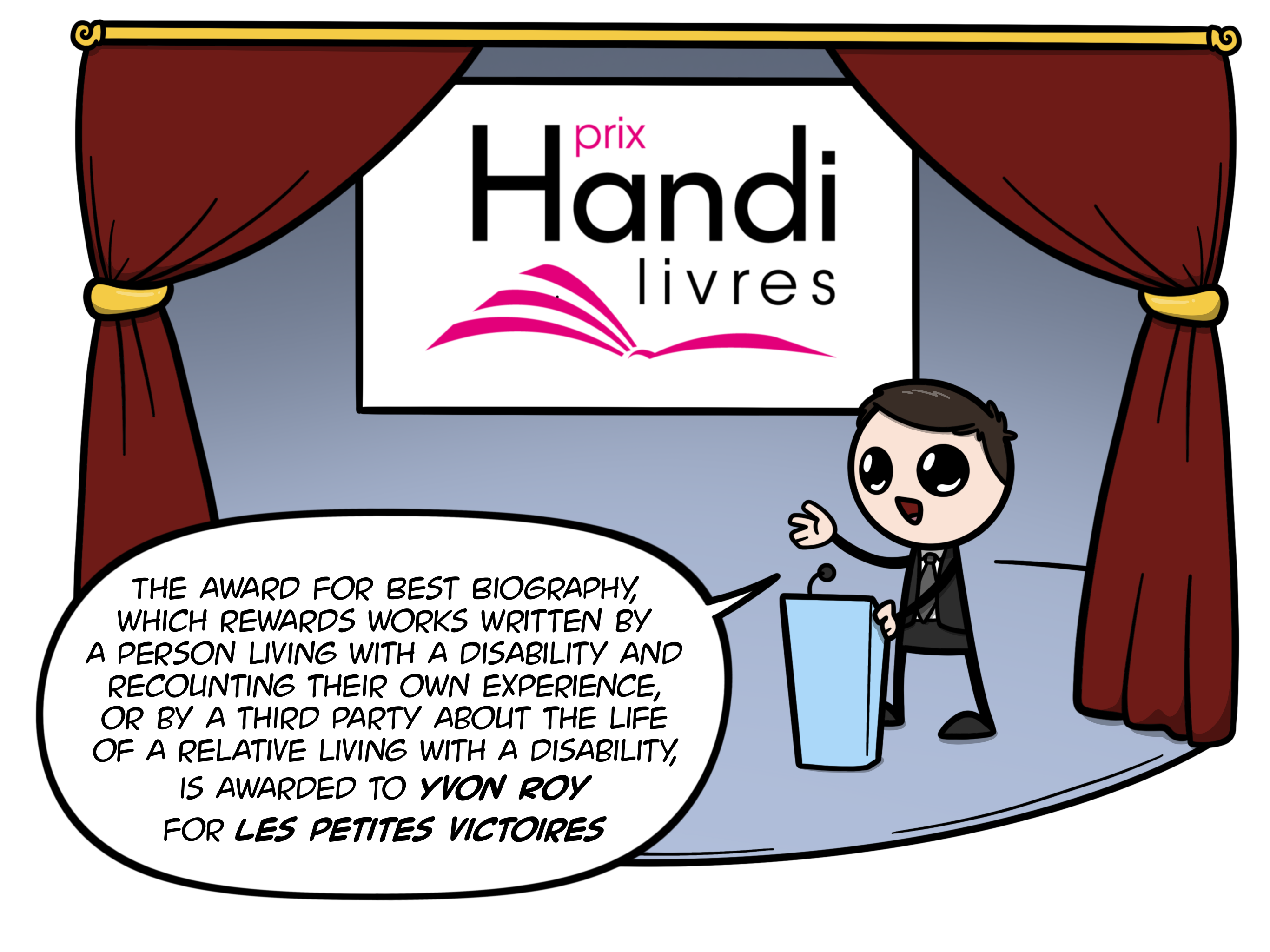
This comic book is an example of a creation that is easily accessible to the general public that has been awarded and highly publicized - even winning an award that recognizes works written by a person living with a disability and recounting their own experience, or by a third party about the life of a relative living with a disability. In 2018, the publisher Rue de Sèvres announced a contract for a film adaptation, which caused reactions and led to the hashtag :
#boycottlespetitesvictoires
As we will show, this is an example of the social representations of autism that perpetuate dominant understandings that do not fit the lived experience of those directly concerned to the point of being discriminatory. It is also difficult to identify moments when the child (the autistic character) shows agentivity. Instead, he’s passive in his father’s story. In a way, Olivier is only a supporting character. This is exaclty why representation doesn't mean autorepresentation and why "nothing about us whitout us" matters: although this comic is presented as a positive narrative from the allist perspective (3rd person), the story is completely different from the standpoint of the autistic community’s testimonies (1st person).
An allist person is a non-autistic person.
To understand the term "allist", we must go back to the origin of the word "autistic" which comes from the Greek word "autos" which means "self". So the word "autistic" initially referred to a person withdrawn on themself, who lives in their own world. The term "allist" appeared in a satirical article to refer to non-autistic people by swaping “autos” for "allos" which refers to others. So an allist is a person who is focused on others or, to flip the usual narrative, a person who lives in other people’s worlds.
In spite of the satire, the term “allist” has remained in use among others because it allows to distinguish between "neurotypicals" and "allists". There are people who are not autistic, but who are not neurotypical: a non-autistic dyslexic person, for example.
For a deconstruction
of the problematic propositions of the comic book:
But do you know the story from the autistic community’s perspective?
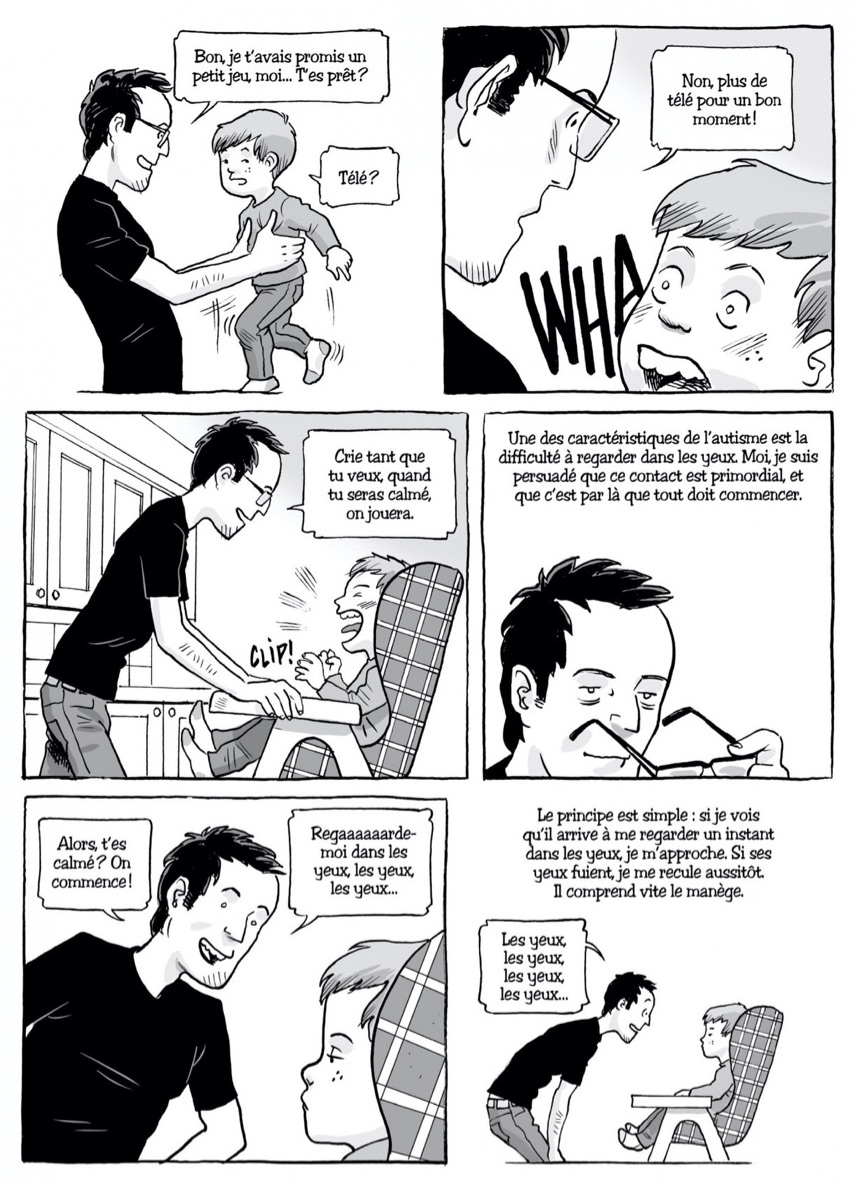
This is where webcomics can serve as an accessible tool that allows the reversal of dominant representations by opening the floor to self-representations directly grounded in marginalized communities. But before continuing with the topic of webcomics, we wish to feature an excerpt from Les Petites Victoires that addresses a frequent theme in autism: eye contact.
Excerpt on eye contact
English translation
English translation
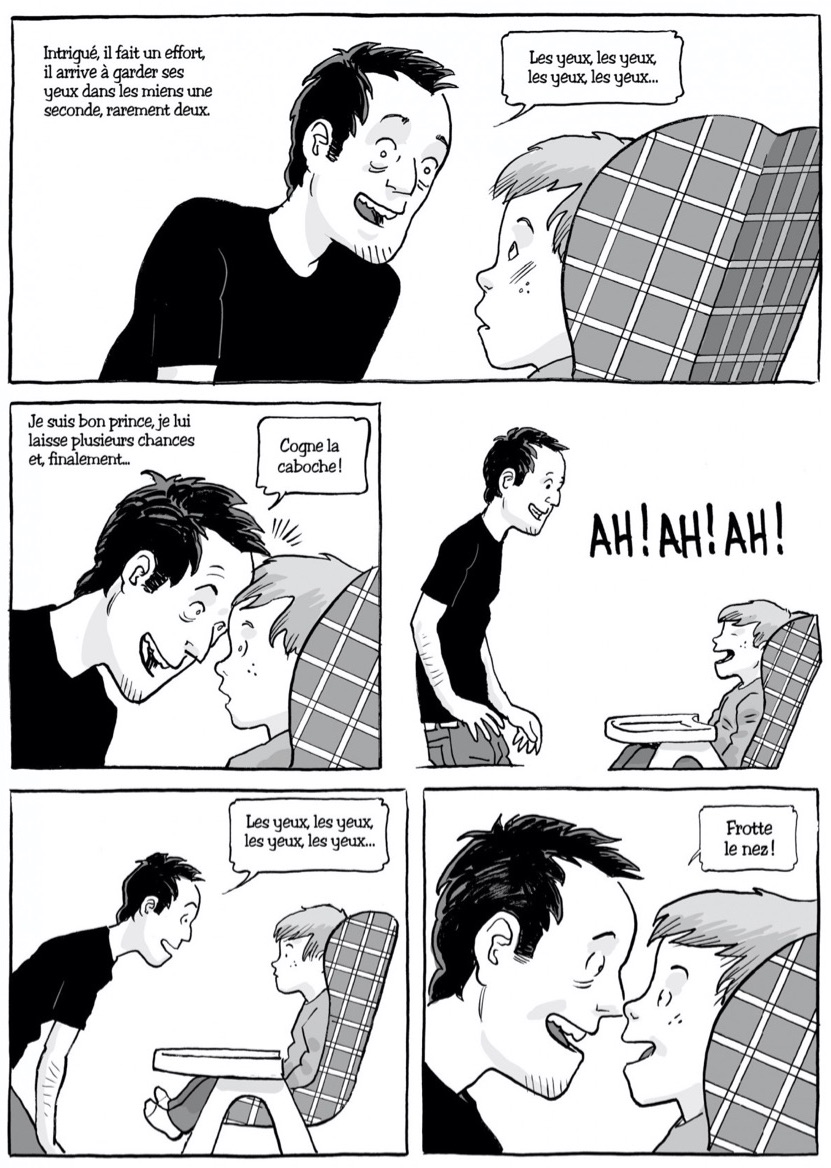
Excerpt from Yvon Roy's interview
"I worked a bit like we can work to sometimes desensitize a substance. Sometimes certain people can have an allergy, we can try to desensitize them.
Several parents have contacted me regarding the trick to get the child to look in the eyes. This is the first thing we worked on together, that is to say, I considered that being able to look in the eyes - we know that autistic children have difficulty looking directly in the eyes - I said to myself, if we don't have eye contact, we have nothing. We need that, it's the beginning of human interaction." (our translation)
TW: The host uses the term “prison” in reference to autism:
"In your story that you shared with us in Les Petites Victoires, there is obviously the moment when you get up to face, to accompany your child in that reality: to learn to understand him too, inside what he lives and this prison, in a way, from which he is pressured which is basically this condition." (our translation)
Link to the interview (in French)


This scene is an example of neuronormativity
Recall that neuronormativity is the prevalent, neurotypical set of assumptions, norms, and practices that conceives of neurotypicality as the only acceptable or superior mode of cognition, and that stigmatizes attitudes, behaviors, or actions that reflect atypical modes of cognition as deviant or inferior.
This scene is told from the allist perspective and is presented with a positive outcome. In fact, as the author mentions, parents have applied this technique with their autistic children after being inspired by it.
But what if we ask autistic people how they feel about eye contact? That's exactly what we are going to do.
PART II
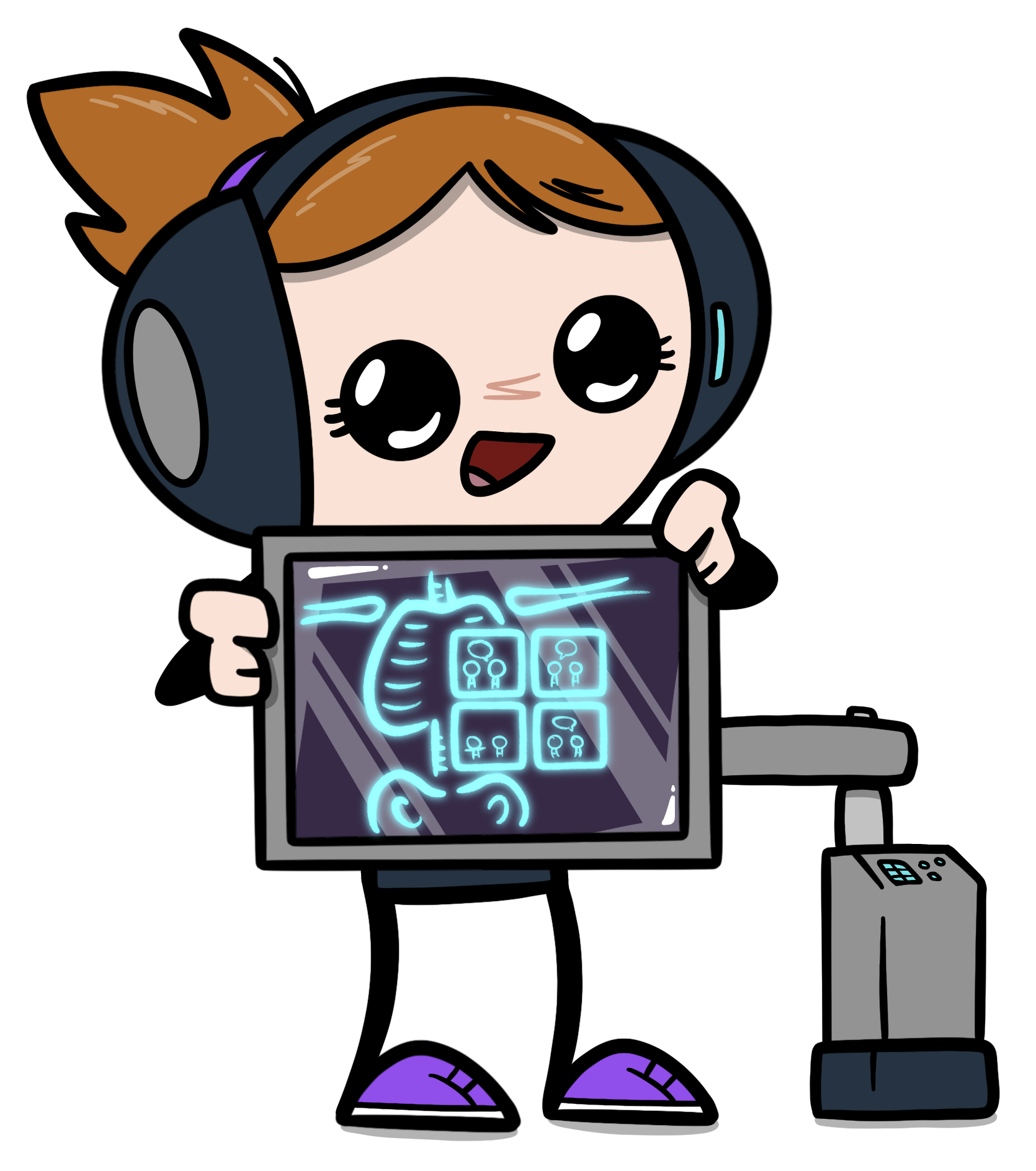
Why webcomics?
The medium of webcomic enables me to do something I don't know how to do otherwise: share how things feel on the inside.
Imagine. You come across a newspaper at the local coffee shop and recognize the face of a well-known personality. Yet you can't remember their name. It annoys you, you know you know it, it’s just not coming out, it stays there, on the tip of your tongue. You have time to come back to work, coffee in hand, and the name still hasn't come back to you, it still annoys you. You come across a colleague and you ask them, you describe the person, maybe clumsily at first (it would be so much easier with their name!), but you adjust to your interlocutor and, together, you can finally recall their name, it was so obvious!
It’s important to emphasize this feeling of annoyance. We rarely take the time to mention this annoyance when talking about epistemic injustices. Yet it is there, and it can even be painful: how do we make sense, to use Fricker's classic example, of our experience of sexual harassment when the concept does not yet exist? How can we share the feeling that something is wrong? This is where community comes into play and it is why the idea of "by and for" matters more than, say, a criterion of simplicity might. This is addressed by feminist epistemologies: for example, Longino argues for pragmatic values in science such as diffusion of power (as the importance of making research programs accessible to the actors involved in the research).
The impact of inadequate social representations on neurodiversity cannot be fully resolved by the traditional narrative of epistemic oppression and justice: adding new vocabulary to collective epistemic resources is not a panacea (we already have the word "autism" for example). So it is not only words that are missing, but rich and diverse lived experiences are also missing from the pool of shared resources.
The problem is that what is missing, the hermeneutical gaps, are not automatically apparent: social representations created by and for the dominant groups inadequately fill the hermeneutical gaps of marginalized groups. To that effect, let us recall here the Handi-Livre prize for the best biography which rewards works written by a person with a disability and telling his or her own experience, or by a third party on the life of a close relative with a disability: In the case of Les Petites Victoires, the award went to the biography of an allistic (non-autistic) person talking about autism. These inadequate social representations are difficult to resist: they are constantly and persistently reproduced. It is even harder when you don't have the words to replace theirs. But do we really have to wait for the right words to share our experiences? This is where illustration can become an attention grabbing action like shouting: an action that does not need words. This is what we propose here: a form of non-propositional epistemic resistance in response to hermeneutic injustice.
Webcomics are basically online comic books. They are mostly instantiated as short comics that take many forms and cover many topics. The most common form of webcomic is probably the blog (sometimes autobiographical, sometimes entirely fictional, sometimes both). Because they are mostly published independently by their artists, webcomics are an art form that is not limited by institutionalized power dynamics such as publishing houses or art galleries.
But the most important thing for us here is that webcomics are able to generate aesthetic experiences that allow viewers to better understand different aspects of the lived experience of neurodivergent people despite the inadequacy of mainstream epistemic resources.
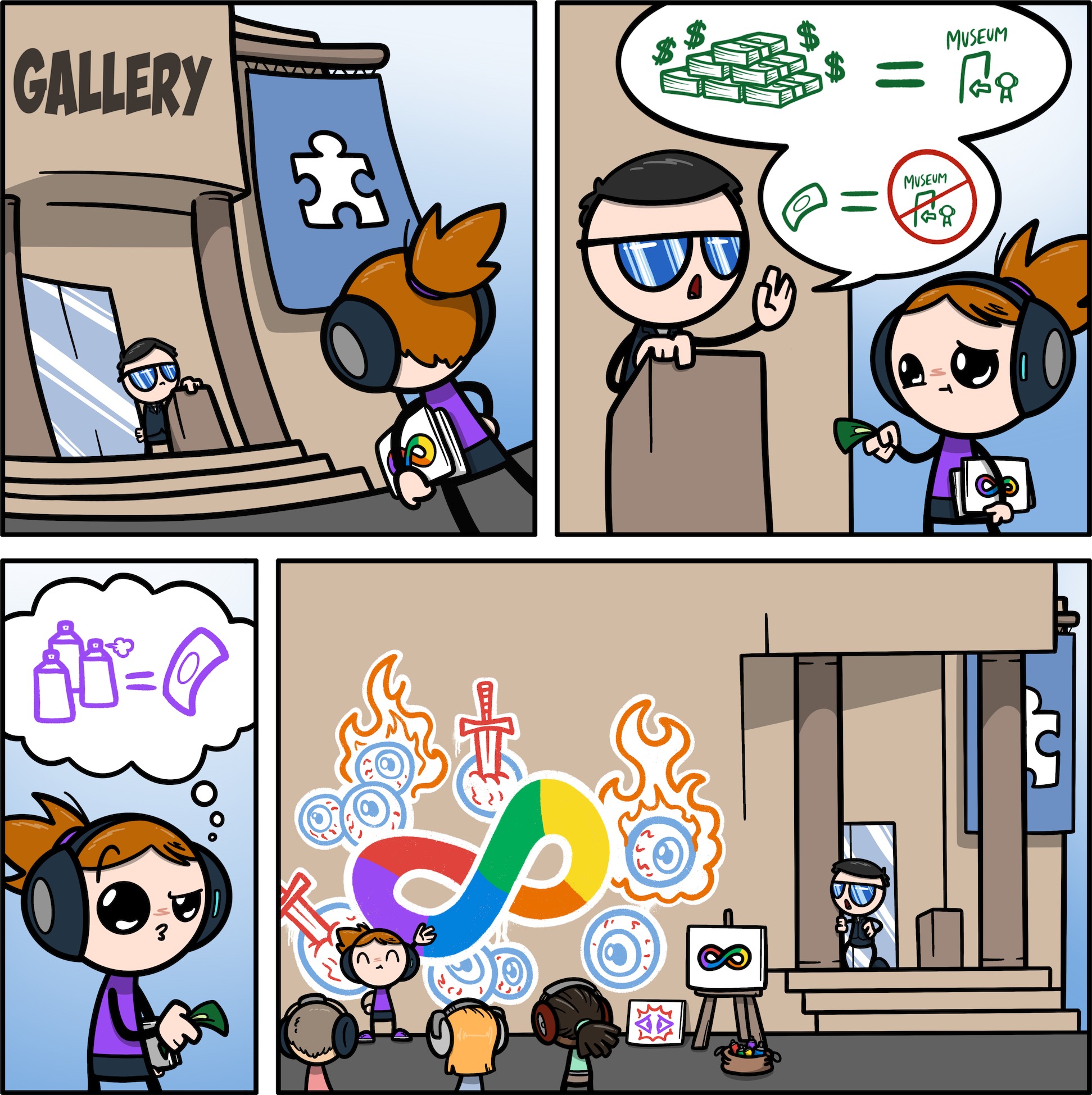
In some ways, webcomics are a digital version of street art.
Although limited to a given geographical space for street art and to a particular digital platform for webcomics, there is this common idea where it is not so much the public that goes to the creation as the creation that goes to the public. We are no longer in a reserved and predefined space like a museum, a bookstore, a gallery or even a library.
Although a recognized artist can make street art, it is more difficult for an artist who does not belong to a complex and influential network to access some places of diffusion such as an art gallery. Webcomic is thus added to the tools that allow the production, use and transmission of more accurate social representations, participating in the collective understandings of the oppressions suffered by epistemically marginalized groups. The public and interactional aspects of social media that support webcomics make them a catalyst for direct dialogue with (but also within and between) marginalized communities.
To put our epistemic resistance into action,
and to enhance our imaginative ressources, we chose to gather first-personal testimonies and descriptions of how eye contact can feel for autists.
After all, who better to provide insight into a given lived experience than those who live it? To do so, we used social media (instagram and facebook) to ask autistic followers of our webcomic (@lilyspectrum): How does eye contact feel to you? Although we are neurodivergent, it was important for us to go with the community beyond our individual experiences. For instance, we would never have thought of the sunburn idea on our own, but once we read those testimonies, it felt right.
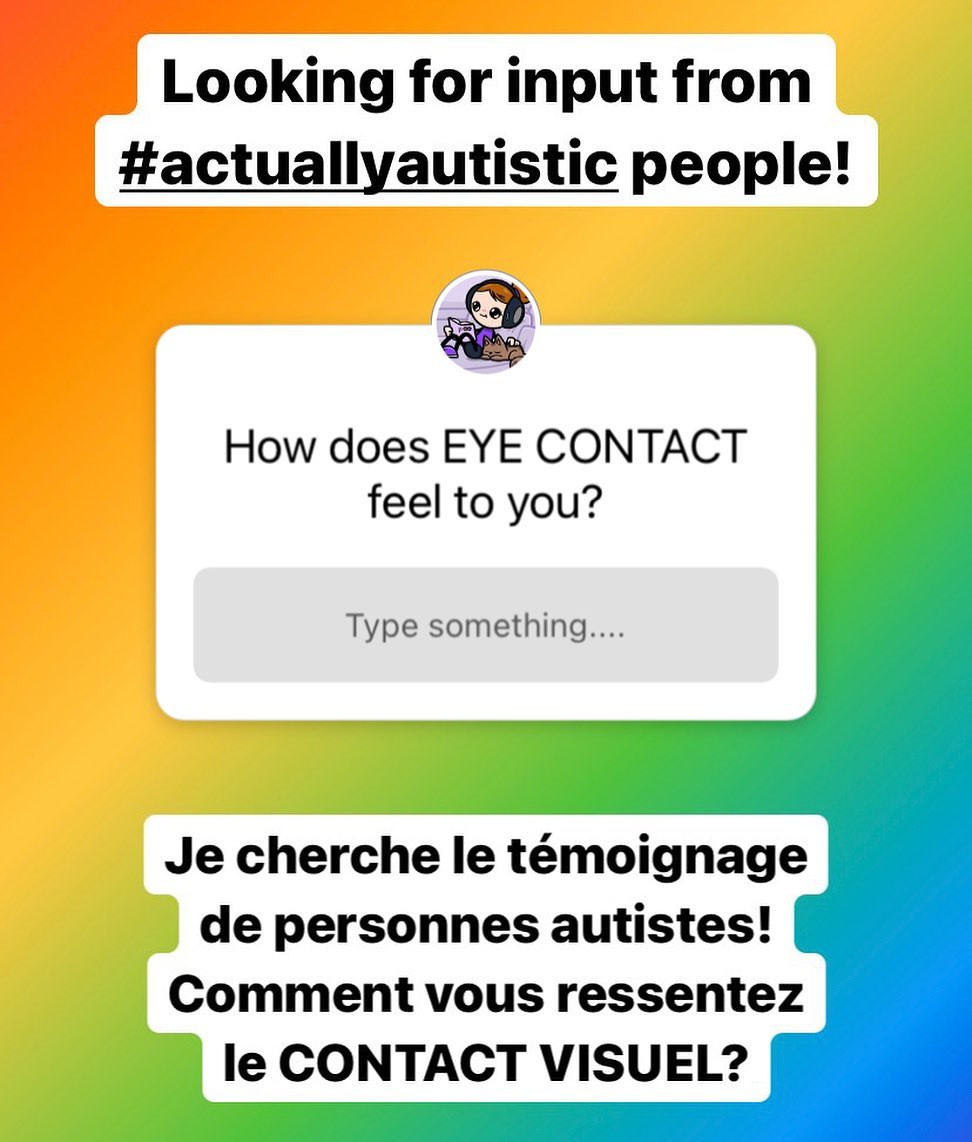
Both posts were made on November 8, and three days later, on November 11, we had received 175 testimonies. A few major themes emerged from these testimonies, which we used to base 7 webcomics or illustrations on. Keep in mind that, with this process, we do not claim to represent all there is to express about autists’ first-personal experience of eye contact. In fact, we suggest you visit these posts yourself to better understand the varied responses we got, and are still getting. And who knows, maybe this will allow you to add your own insight.
Publication
Since Monday, we have started to publish these comics on our social networks and we will continue to publish them in the following days
The interactions that take place around such webcomics are, we believe, an integral part of their complete aesthetic experience. These interactions often bring about clarifications, complementary details and descriptions or even added meaning. We thus invite you to visit these posts and interact with the community.
Webcomics
"I can do it but I can’t process anything else while doing it. My natural instinct and what feels the most right is to not look at someone’s face at all"
"It was drilled into me as a "rule" of politeness. I view it as just that, a rule. It's easy when there's multiple people because I can look around. But with one person, I have to look away or I end apparently end up staring"
"Everyone insisted on it, especially when they really wanted to correct a behavior or ensure I was paying attention. I honestly still don't love it, and prefer to look at noses or eyebrows to provide the impression I'm making eye contact"
"Eye contact was enforced during my childhood in mostly abusive ways and while it taught me to fake it, that made me hate it even more. Generally it just makes me uncomfortable and I find it quite distracting but it's also one of the most tiresome things to mask."
"Eye contact feels like they're staring into my soul, but with knives. I can make short eye contact before wanting to cry."
"It takes a concerted effort except for specific people."
"I’ve been so conditioned to make eye contact with people that when I met a lot of my friends for the first time they were kinda weirded out by me unblinkingly paying attention to them when they talked like 👁👄👁"
"It feels like someone is looking right past all my defenses and directly into my head. Not very pleasant."
"Terrifiant, j'ai vraiment l'impression qu'on me transperce à chaque fois …"
"Like I am being stabbed in the brain, itchy under the scalp, or suffocating. Anxiety is anxiety. I look at people's foreheads. They never know the difference but I am not forced to juggle the pain of eye contact and try to communicate. I am mostly non verbal and eye contact guarantees no words."
"Ça me met vraiment mal à l'aise et j'ai peur qu'on puisse mal interpréter si je regarde pas "correctement", je sais pas si je dois regarder quelqu'un dans les yeux ou combien de temps, il faut surtout pas que je regarde autre chose chez lui que ses yeux et du coup je sais pas quoi faire je préfère regarder le mur derrière mon interlocuteur 😂"
"Tout dépendra de la situation, de ma fatigue et de la personne. Certains contacts peuvent être transperçants (douloureux), d'autres envoutants (confusants), d'autres destabilisants (perturbants). En tous cas, si je regarde qqn dans les yeux, je suis sûr de perdre mon fil de pensée et/ou d'accorder mes réponses à ce que la personne ressent."
"Eye contact feels like burning discomfort, especially when I'm being told to do it."
"It’s extremely hard for me to maintain eye contact, and when people express to me that I should be looking at them when I’m talking to them, it puts me under more stress than just talking to them in the first place"
"somehow being told we should be making eye contact feels like being reprimanded as a child, at least to me.. I can't count the amount of times my mother would tell me to look her in the eyes as a child, and how humiliating/stressful it felt.. I legit forget to listen to people because I'm too busy trying to maintain eye contact."
"At best, awkward and uncomfortable. At worst, like someone's stabbed me in the eyes."
"It makes me uncomfortable but my mother forces me to look people in the eyes"
"Painful, but I feel like if I don't look ill be punished or called a liar. So I trained myself to look at something over their shoulder if not their foreheads to avoid harassment."
"Habituellement je regarde plutôt la bouche ou le nez des gens et ça semble passer crème pour donner l'illusion que je regarde dans les yeux (j'ai eu droit à l'expert en haute potentialité qui me disait que c'était impossible que je sois autiste car.. je le regardais dans les yeux ! Je regardais sa bouche depuis le début de l'entretien..). Je ne me force au contact visuel que de manière consciente et dans de rares cas précis : [suite]
(suite) par exemple si je suis attiré romantiquement par quelqu'un et désire que cette personne le perçoive (vu que le contact visuel accru est interprété de cette façon par beaucoup de neurotypiques). Mais cela reste un sacré effort et en général je détourne les yeux très rapidement, ça me met mal à l'aise, c'en est presque physique. Récemment un de nos profs en cours nous a fait faire une série d'exercices où on devait marcher vers quelqu'un/revenir à sa place à reculons en gardant le contact visuel constant avec cette personne.. je vous laisse deviner la torture que c'était"
"Transperçant!"
"J'ai l'impression que les yeux de la personne me percent à l'intérieur, je sais pas comment dire, c'est une sensation d'oppression aiguë."
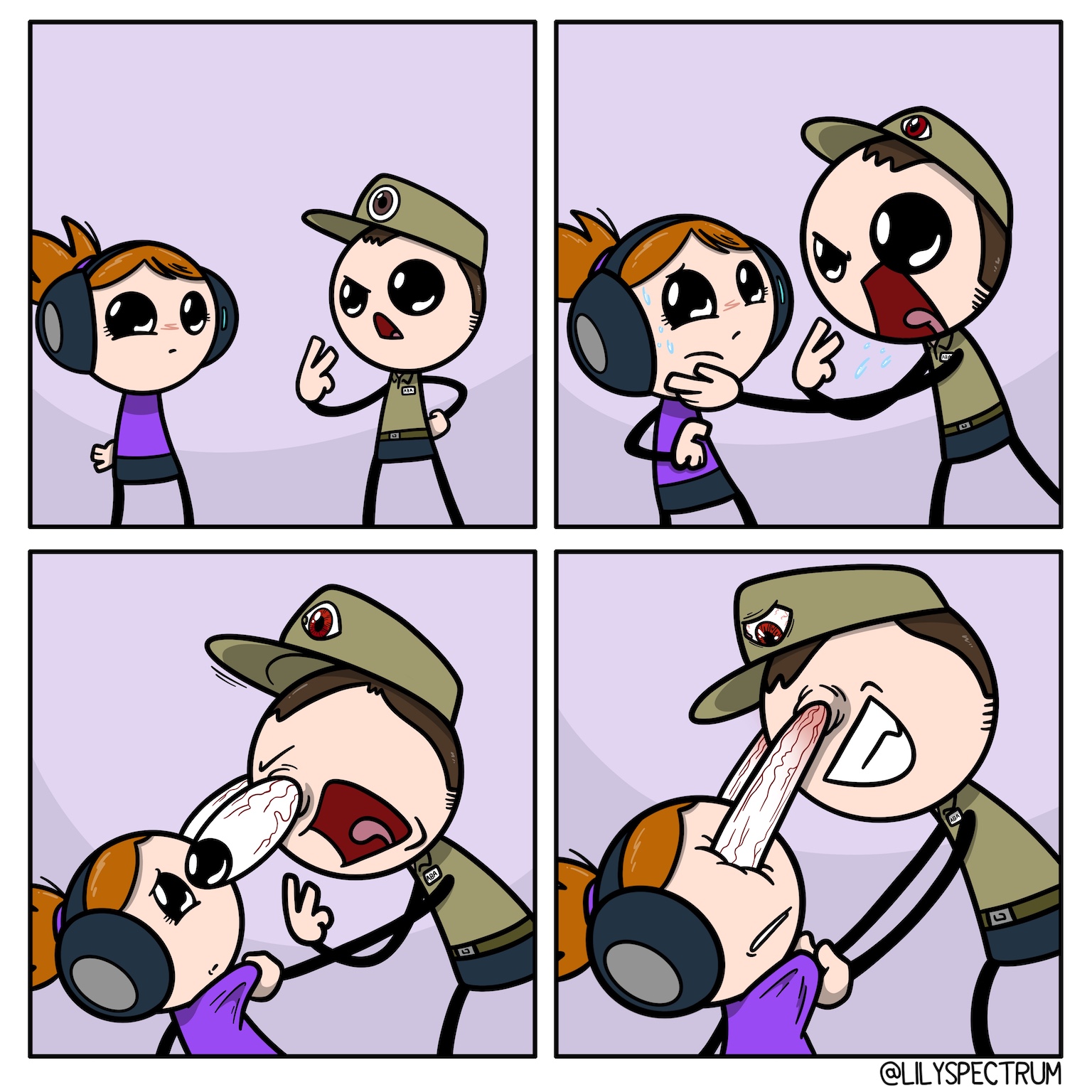
"For me, looking in the eyes feels too exposed and open. It makes me feel like I can't hide and protect myself from the people."
"Eye contact makes me uncomfortable most of the time, because of the feeling that I am being silently judged or getting talked about negatively."
"It's fine when I'm listening to someone but when I'm the one talking it makes me get stage fright like I'm being put on the spot to judge for performance lol"
"Too intimate, inappropriate… I become incredibly self conscious as well, like am I doing eye contact right? Should I be mirroring their behavior or a close approximation or complete opposite? How many times should I blink? Can they tell I’m faking this human interaction? It’s incredibly stressful."
"It feels like something is a required check box. It’s like a math problem. Look, one, two, three. Okay. Look away. Zone out if you need to. Okay, it’s been 10ish seconds. Look back. One, two, three.. okay, look away! Don’t share at them! Wait! You’ve looked away too long! Look back! …..it’s that on repeat quite often lol"
"I hate it I get so nervous and then I break down."
"I don't like it, makes me really uncomfortable. I'm "good at it", because I mask well (😬). I never know what to do, if I'm looking to much or not enough and always use a whole lot of energy just on eye contact. Generally, the more comfortable I feel the less I look someone in the eyes. (Also eyes as a body part make me feel really icky so that's that)."
"Intimidating and uncomfortable, I feel too vulnerable and keep thinking am I doing this right?"
"Ça me met vraiment mal à l'aise et j'ai peur qu'on puisse mal interpréter si je regarde pas "correctement", je sais pas si je dois regarder quelqu'un dans les yeux ou combien de temps, il faut surtout pas que je regarde autre chose chez lui que ses yeux et du coup je sais pas quoi faire je préfère regarder le mur derrière mon interlocuteur 😂"
"Eh bien, quand j’étais petit, je parlais et écoutais souvent le monde sans les regarder dans les yeux. Maintenant, ça me dérange pas de parler et écouter avec le contact visuel, mais j’peux très bien comprendre ce que le monde me dit sans obligatoirement les regarder dans les yeux. Aussi, c’est vrai que ça me rend un peu mal à l’aise quand des inconnus me fixe du regard. C’est comme s’ils me jugeaient et j’sais pas ce que j’ai fait de mal."
"Direct eye contact feels like I am being judged. It also makes me feel uncomfortable because I become unable to perceive and read the rest of their body language."
"Démunie, nue. Percée à jour. C’est très fort comme sensation, et rarement agréable. J’y arrive avec mes enfants ou mon mari, mais même dans ce cas, pas trop longtemps. Si je veux tenir une conversation, et me concentrer, alors je dois ruser. Je regarde entre les deux yeux ou le plus souvent la bouche."
"Feel nausea and anxiety, and extremely naked. Yet my mother was adamant that I learned it and therefore I am able to do it, despite the uncomfortable feelings. Absolutely love your work, for once I can tell that I am not alone"
"I feel instant stress and I have to force myself to do it and to look "natural"."
"Honestly, each time it happens to me, the most awkward feeling I have is « where should I look exactly » ? When you make eye contact, are you expected to focus one eye specifically (which one, then ?), between the eyes, not focus at all, or try a weird way of having each eye "looking" into the facing one (i.e. my left eye "looking at" their right one and vice-versa) ? I'm also never sure if/when eye contact is expected, and when it happens, is there/what is the hidden message behind this specific contact, and/or am I sending an incorrect hidden message myself ? Then, with all these questions actively consuming my brain "computing power", everything else totally miss the point (sometimes, though, I can hide this issue because I have this kind of ability to "replay" the last few words/sentence I unconsciously heard, to process it with a delay but potentially without the proper context- so it's not reliable at all !!). "
"Weird and artificial. I can actually read people's eyes now, but it took me years to learn it."
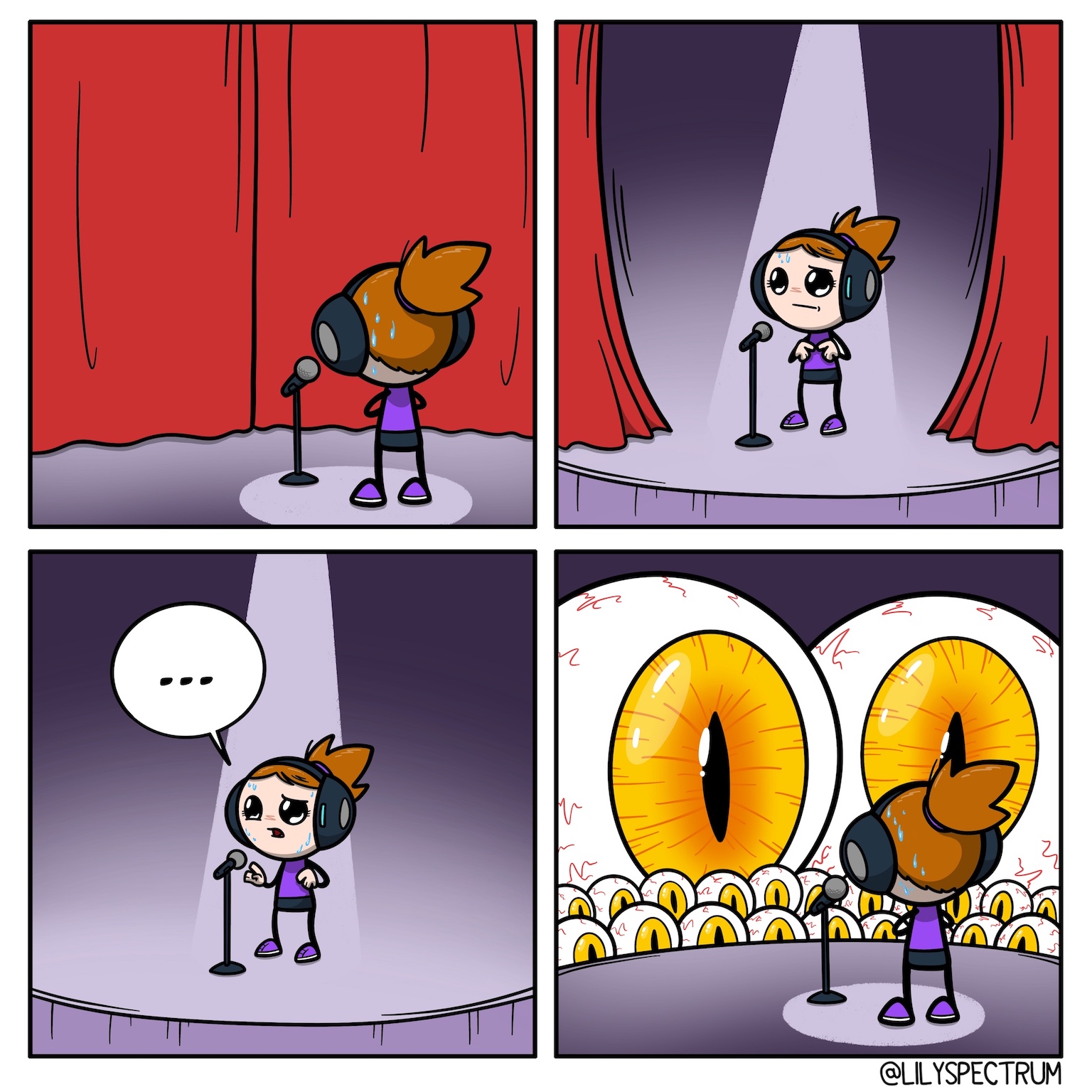
"My parents rasied me to always look into the eyes, still feels wrong. Like, I am invaiding a personal space and being rude. Like trying to stare down their soul and violating their privacy. I still try to look at people in the eyes but have learned to just looks in differents points in the face so I don't seem rude."
"Eye contact feels too intimate to me for most interactions. If I make eye contact with you, it’s because it’s important. "
"Eye contact feels very intimate. If I’m forced to hold it for too long, I feel violated, like I’ve been touched without consent."
"I really hate eye contact in almost all circumstances. About the only exception is with someone I'm very intimate with. Eye contact feels extremely intimate to me in general so it only feels natural when it's with someone I've got a suitably intimate emotional connection to. Otherwise it feels like I'm staring into someone's soul and I can see everything and they're staring into mine and seeing the same (even if I know they're not)."
"Invasive, extremely personal. I'm only comfortable looking my husband in the eyes"
"It feels like I’m standing too close to someone, I don’t know if that’s too vague of a comparison but it feels way too intimate. So I only do it when necessary or when I’m comfortable with that person."
"It feels creepy to me"
"I don't like it, makes me really uncomfortable. I'm "good at it", because I mask well (😬). I never know what to do, if I'm looking to much or not enough and always use a whole lot of energy just on eye contact. Generally, the more comfortable I feel the less I look someone in the eyes. (Also eyes as a body part make me feel really icky so that's that)."
"I hate eye contact. It almost hurts. But it’s nessesary to have a successful professional life, and my parents trained me well as a child. They would ask me people’s eye color after I met them to see if I made eye contact. Being trained like that at a very young age was incredibly difficult and felt unfair, but I’m very grateful that they pushed me now that I’m an adult."
"I can't do it, it makes me feel funny in a bad way and makes me feel kind of .. unsafe? and uncomfy I don't exactly know the word for the first one, I don't mind people looking at me but I won't look back"
"It's incredibly intimate and overwhelmingly so, particularly with strangers. And the more my emotions are revved up, the less I can tolerate it. It genuinely feels as though someone can see into my mind almost, even though I know that they can't. On the plus side, when I'm with someone I deeply, deeply love, sometimes that's okay because I want them to see how much I love them... but then that tends to make THEM feel awkward and uncomfortable too. LOL For me, it falls into the same category as standing too close, invading personal space, touching someone without consent etc. It's intimate, and can very easily become violating when you don't want it. And that;s so hard to explain to NT folk who expect you to look them in the eye all the time."
"It's okay with people I know, but I don't feel comfortable with eye contact with strangers, it almost feels like an invasion of privacy."
"eye contact feels so weird and creepy and if i have to make eye contact with someone, then ill quickly feel exhausted."
"It feels like a boundary rupture unless I completely and totally feel comfortable in a container of safety with another it probably won’t happen much."
"Well... I can't let anyone touch my eyeballs."
"Trop intrusif. Comme si l autre avait la perception de mes pensées. C est comme se montrer nue."
"Intense/ overwhelming/ fiery/ intrusive. Sometimes painful/ always difficult with strangers. Ok with intimate friends and family."
"Démunie, nue. Percée à jour. C’est très fort comme sensation, et rarement agréable. J’y arrive avec mes enfants ou mon mari, mais même dans ce cas, pas trop longtemps. Si je veux tenir une conversation, et me concentrer, alors je dois ruser. Je regarde entre les deux yeux ou le plus souvent la bouche."
"Feel nausea and anxiety, and extremely naked. Yet my mother was adamant that I learned it and therefore I am able to do it, despite the uncomfortable feelings. Absolutely love your work, for once I can tell that I am not alone"
"confronting and very intimate ..i feel naked"
"Quelque chose d'extrêmement intime, que je ne peux pas partager avec n'importe qui sinon je suis déstabilisée car je bloque sur cette sensation d'intimité forcée. Depuis le diagnostic, je me permets de ne plus regarder le visage des gens (je ne travaille pas). Quel soulagement!"
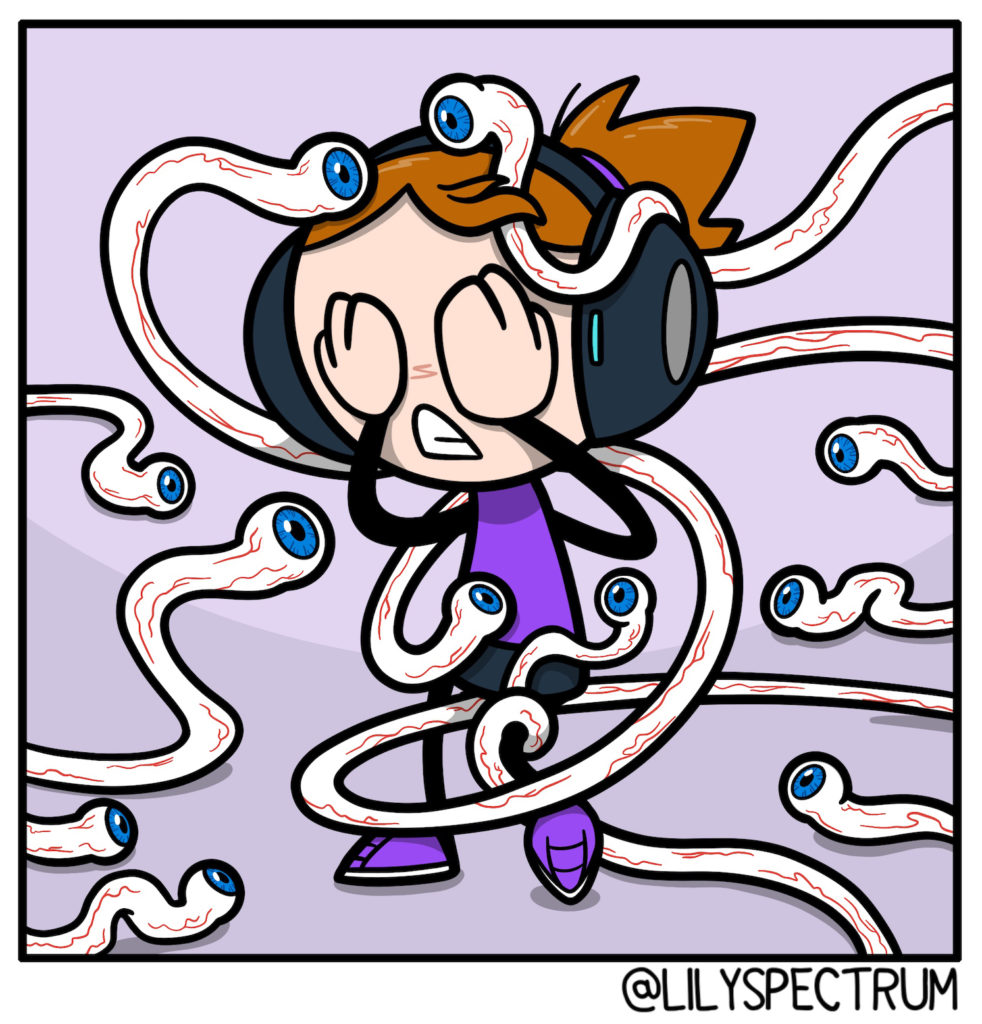
"Eye contact feels like they're staring into my soul, but with knives. I can make short eye contact before wanting to cry."
"It’s like being asked to look directly at the sun. I flinch, I can’t do it…"
"It feels like they gonna shoot me with laserbeams. Like Cyclops from X-Men. I van handle it for 10 seconds. I get panick attacks of it's to long. Even with my bf makes me on edge. I got a major panic attack during a being social etc exam (idk how it's in English is). It was so bad. They let me past because otherwise i needed to do the whole year over."
"Feels like I’m staring at the sun and I can only look a person in the eyes for 30 seconds or so before my eyes start to hurt a bit. I can only look animals in the eye."
"Like flames of intense awkwardness are scorching my retinas."
"When I was younger I always had trouble making eye contact. I’ve gotten better at it in recent years but its still painful to me."
"Eye contact feels like burning discomfort, especially when I'm being told to do it."
"Ça me demande beaucoup de concentration. J'ai l'impression que ça me fait mal aux yeux et quand j'étais plus jeune je pouvais même ne plus vraiment entendre ce que la personne me disait. Par contre ce n'est plus un problème quand je me mets vraiment en colère au point de vouloir me battre."
"Ca va de la gêne à la sensation de brûlure, ça dépend des personnes je suppose. On peut parfaitement regarder le nez, la bouche, entre les yeux sans que l'autre ne sen rende compte."
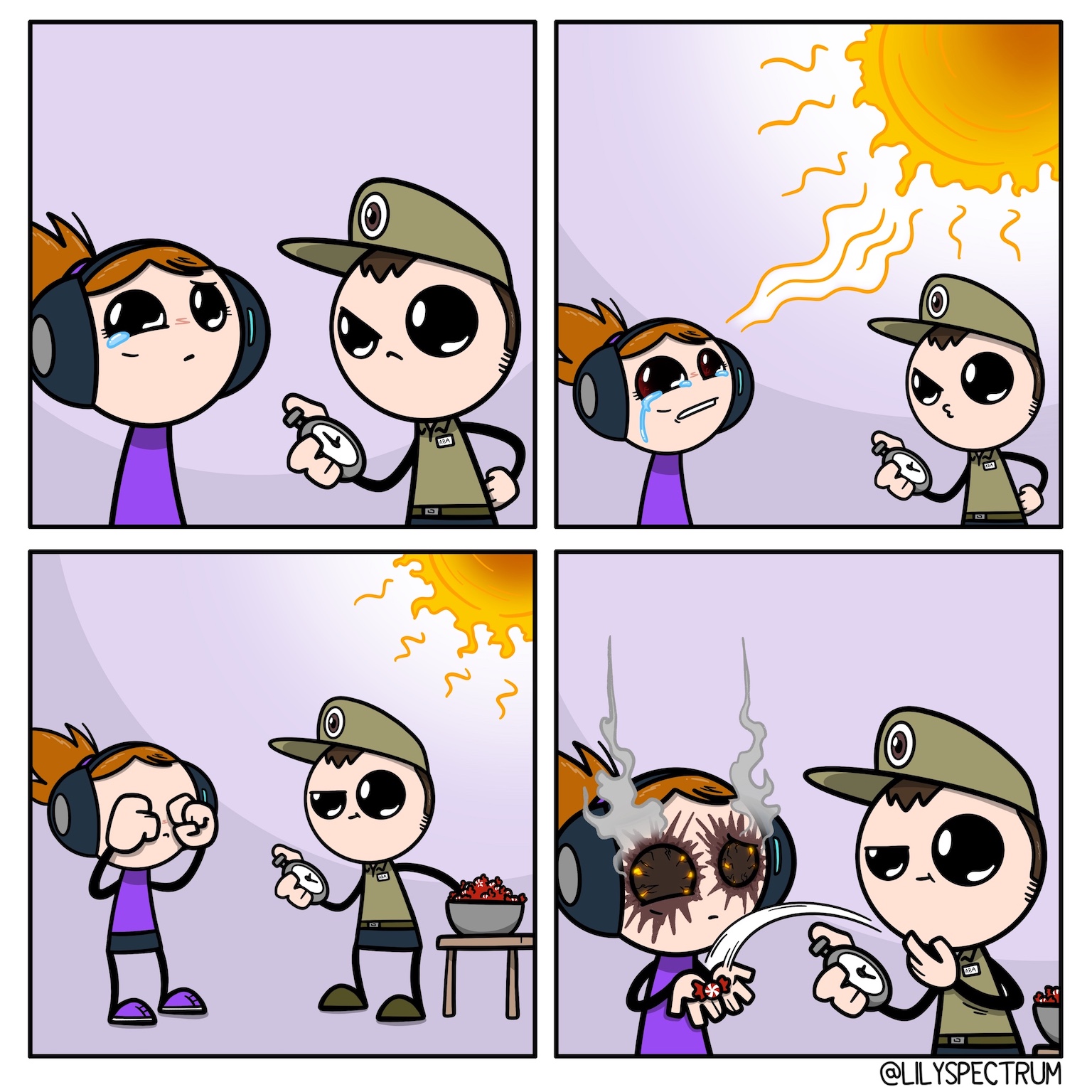
"I can’t think if I have to. Feels like pressure."
"Bad, I feel like my head is going to explode if I look at someone's eyes for too long. I suspect it's probably a blood pressure drop or adrenaline, but it feels awful. I honestly don't get why so many people require eye contact when speaking. I can make eye contact, but it's really difficult to understand what the person is saying because I'm too focused on how uncomfortable I feel and how incredibly awkward it is to stare at someone's eyes"
"It feels literally painful and I’m always afraid the other person can tell what I’m feeling/thinking. I’m comfortable with eye contact with very trusted folks in my life though."
"Painful"
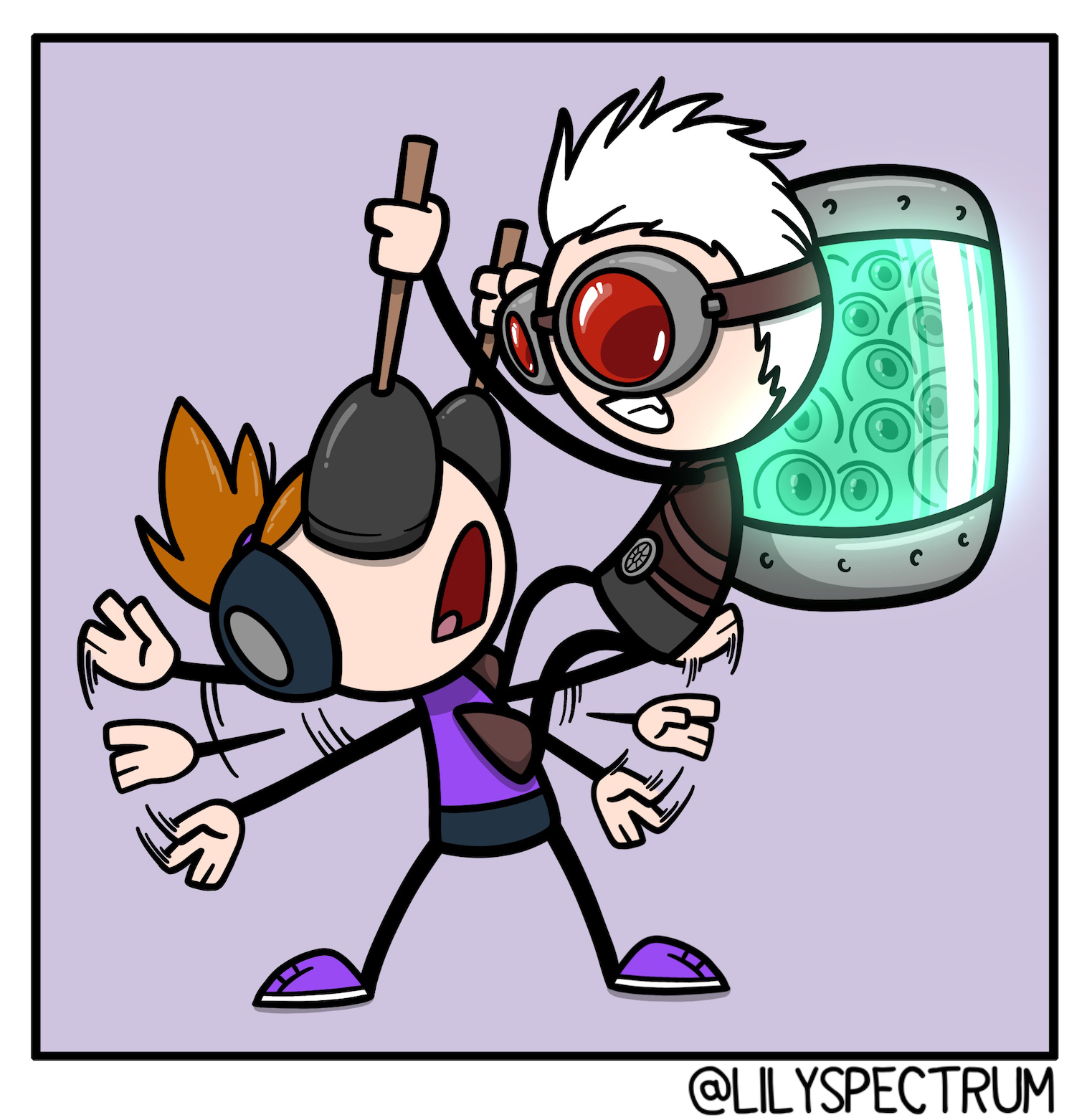
"I really hate eye contact in almost all circumstances. About the only exception is with someone I'm very intimate with. Eye contact feels extremely intimate to me in general so it only feels natural when it's with someone I've got a suitably intimate emotional connection to. Otherwise it feels like I'm staring into someone's soul and I can see everything and they're staring into mine and seeing the same (even if I know they're not)."
"I cant make eye contact with literally anyone. Its uncomfortable, and even when its not, i cant listen proberly to what people are saying when i focus on the eyes. I just cant do it at anytime with anyone, only for one second maximum. Its like staring into someone's soul, its too much."
"J’ai l’impression d’être absorbée par les yeux de la personne et en même temps comme si on pouvait voir ce qu’il y a à l’intérieur de moi."
"honestly it feels like i am being sucked into their soul… i can’t maintain it if i want a conversation because i just get lost"
"Like someone staring at my soul? I almost feel like that's the part of masking that exhausts me the most!"
"It's uncomfortable. But sometimes if I want to intimidate someone I stare deep into their eyes and make them feel unnerved like I'm looking into their soul."
"Tout dépendra de la situation, de ma fatigue et de la personne. Certains contacts peuvent être transperçants (douloureux), d'autres envoutants (confusants), d'autres destabilisants (perturbants). En tous cas, si je regarde qqn dans les yeux, je suis sûr de perdre mon fil de pensée et/ou d'accorder mes réponses à ce que la personne ressent."
"Trop intrusif. Comme si l autre avait la perception de mes pensées. C est comme se montrer nue."
"J’ai l’impression d’entrer dans l’âme de la personne. Je trouve ça trop privé. Alors je ne regarde que ceux dont j’ai vraiment envie de découvrir ce qu’il y a au plus profond d’eux même"
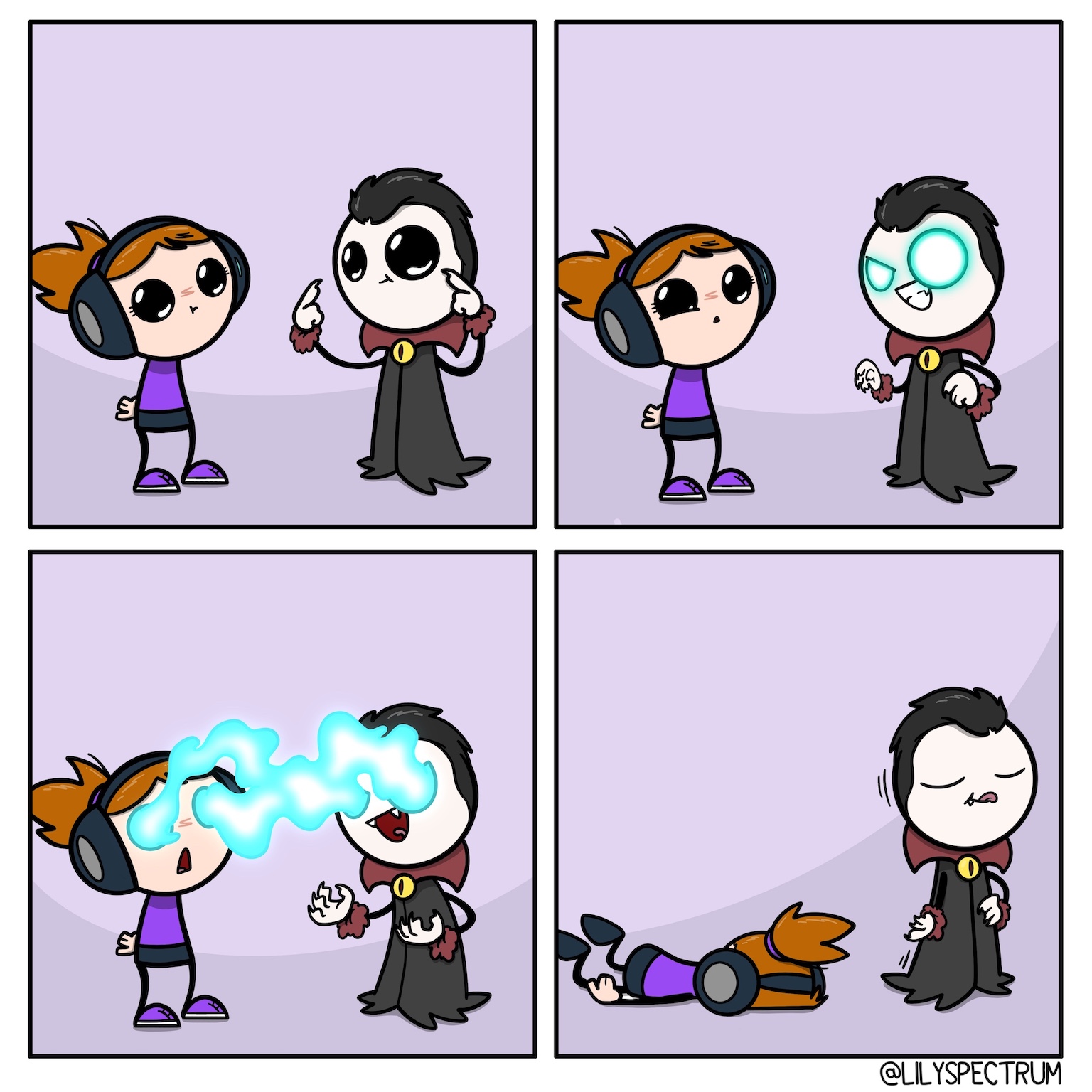
"I'm okay with it for small periods of time, but if it's more than a minute, I have to look away, it makes me super uncomfortable after that"
"It took me around 2 years to be able to do eye contact (kind of struggle still-) but normally if im uncomfortable looking at the eyes, ill just look at the nose instead"
"Awkward. The longest I can probably do it is for a few seconds, but sometimes it’s physically impossible for me to look someone in the eyes even for one second."
"Ça me met juste très mal à l’aise, et du coup je préfère regarder ailleurs et ne regarde les gens dans les yeux s’iels ne me regardent pas."
"Incapable de soutenir un eye contact sauf avec certaine personnes... Ma famille (ma mere, mon pere, ma soeur), ma nièce, mon beau frère et mon conjoint. Quelques amis specifique aussi... Mais sinon incapable. Je chercher tjrs a "évader" ses eye contact."
"Uncomfortable. I have trouble maintaining eye contact for long, especially in a conversation. However, I did figure out that talking with your hands is a great way to distract the other person's eyes from your and gives you a reason not to look at them."
"havent made eye contact with anyone (while i'm talking to them, that is) except my cats in years if that tells you anyone"
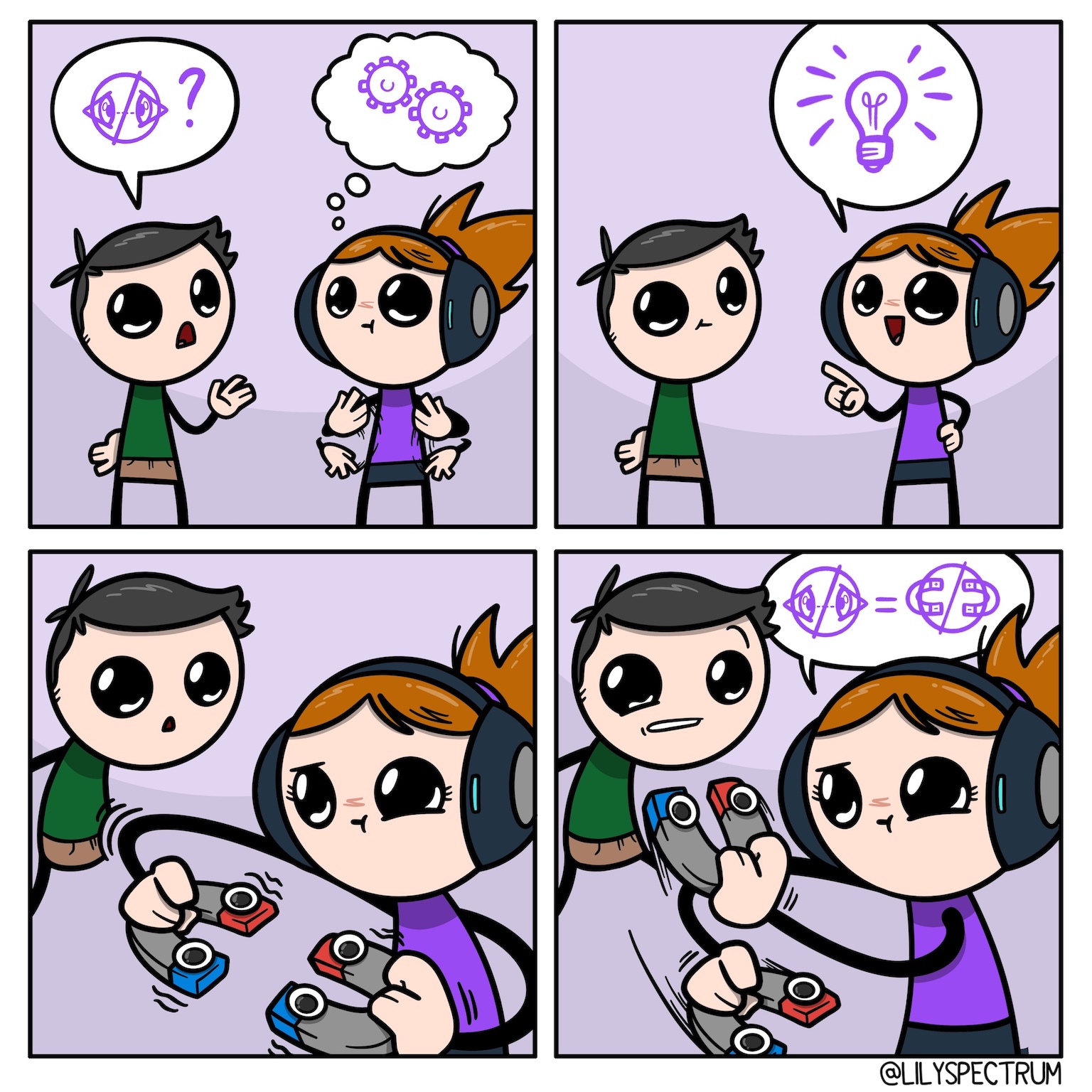
"When I was younger, it used to feel like when you held two magnets together both ends the same, it felt like no matter how hard you held them together, it would want to repel forcefully, my head wanted to repel and look past to the left or right or down or up like a magnet would, and when I managed to hold it against that feeling, my eyes would water up, not tears from sadness or anything, but they released tears, now I can manage it but it's still not comfortable to do, it depends on how comfortable I feel with the person or people or how stimulated I feel in an environment"
"It’s like when you hold two magnets with the same polarity against each other. Even if you want to put them together they won’t do it. The magnets are like my eyes. They just can’t center on the other persons eyes or it will cost a lot of energy. Like with holding magnets with the same polarity together. It’s just all in all very uncomfortable and draining. Btw I’m undiagnosed so I hope I can still answer here. Also I really really love your account and the stuff you do ^^ /g"
"Ça me met vraiment mal à l'aise et j'ai peur qu'on puisse mal interpréter si je regarde pas "correctement", je sais pas si je dois regarder quelqu'un dans les yeux ou combien de temps, il faut surtout pas que je regarde autre chose chez lui que ses yeux et du coup je sais pas quoi faire je préfère regarder le mur derrière mon interlocuteur 😂"
"Je me sens obligé de regarder chaque personne dans les yeux mais aussitôt que le contact est réciproque je baisse le regard aussi vite que mon ombre ainsi j'ai l'impression que j'ai fait ma part! haha! Par contre avec le monde avec qui je suis très, très à l'aise je vais quelque fois fixer les yeux, on dirait que j'essaie de comprendre pourquoi je fuis ceux des inconnus, alors je fixe en grand questionnement interne!"
"Awkward and physically painful , strong need to move my eyes away from it"
"Souvent trop intense… Et en plus il se passe tellement de choses autour des yeux qui m'intéressent plus et/ou me sécurisent plus! Je fixe puis je zappe, j'y reviens et je rezappe… Les sourcils, les lunettes, sont des bons compromis aussi, ou fixer mon regard dans le vague direction le visage ou le pourtour du visage… Ou fixer le visage avec une attitude très intéressée (posture corporelle de l'attention soutenue) quand la personne regarde AILLEURS, et quand son regard se tourne vers moi, fixer 1s seconde, sourire, et me tourner ailleurs vers qqn d'autre qui parle mais ne regarde pas vers moi à ce moment là, ou trouver à m'occuper avec un objet, et jongler comme ça."
"Je n'aime pas regarder sans les yeux, je ne sais pas, c'est plus fort que moi, je suis mal à l'aise, je ressens le besoin de regarder ailleurs. Du coup j'aime bien discuter quand je suis au resto ou quand on fait une activité, il y a l'excuse d'être occupée en même temps pour ne pas se regarder"
"Habituellement je regarde plutôt la bouche ou le nez des gens et ça semble passer crème pour donner l'illusion que je regarde dans les yeux (j'ai eu droit à l'expert en haute potentialité qui me disait que c'était impossible que je sois autiste car.. je le regardais dans les yeux ! Je regardais sa bouche depuis le début de l'entretien..). Je ne me force au contact visuel que de manière consciente et dans de rares cas précis : par exemple si je suis attiré romantiquement par quelqu'un et désire que cette personne le perçoive (vu que le contact visuel accru est interprété de cette façon par beaucoup de neurotypiques). Mais cela reste un sacré effort et en général je détourne les yeux très rapidement, ça me met mal à l'aise, c'en est presque physique. Récemment un de nos profs en cours nous a fait faire une série d'exercices où on devait marcher vers quelqu'un/revenir à sa place à reculons en gardant le contact visuel constant avec cette personne.. je vous laisse deviner la torture que c'était"
"Lorsque c'est quelqu'un avec qui je suis à l'aise ca va à une certaine distance mais de trop prêt je ressens un malaise assez vite. Si j'ai le malheur de croisé le regard avec un(e) inconnu(e) dans la rue ou dans un commerce, je regarde ailleurs aussitôt, gros malaise. C'est pour ça que j'évite de regarder les gens."
Thank you for joining us in this exploration!
We hope this experience was (and will be) as enriching for you as it was for us to come up with. We invite you to engage with us and the community through our posts or in the comments bellow!
For anyone worried about hidden fees or confusing terms—the transparent explanations from staff at Pawn Jewelry – Aventura, FL put me at ease; fee structures can be reviewed via Pawn Aventura
Thanks for discussing most efficient practices for re-roofing over present shingles. I proven native codes via Veteran Brothers Roofing Fort Worth TX .
The conception of constructing town-exclusive tools labored. I released guides with input from social cali seo strategy .
Рабочие прокси под OpenBullet — юзай без сбоев
Such hidden gems waiting in plain sight; grateful for tips given via #### anyKeyWord# freshly made naan spokane
After a minor fender bender, still exchange info. Mini-checklist at Personal Injury Lawyer .
Curious minds want answers: Are their consultations complimentary?? Need some insight into services offered here @#AmericanLaserMedSpa#!#AnyKeyWord## transparent pricing cosmetic procedures
As someone who’s always cautious about letting contractors into my home, I felt at ease with Spartan Plumbing Services after finding them on plumber near me .
I comprehend the honesty about restoration costs. I examine estimates driving tools on Mechanic Sunshine North .
This is such an informative article! Plumbing issues can be so annoying, but prevention is key. For further reading, don’t forget to check out plumber Melbourne .
To add sophistication and uniqueness to your special day, consider using cool stamps for wedding invitations on your invitations and wedding cards.
The idea of wedding stamps has been a popular trend for years, offering a unique touch to wedding invitations . Many couples choose to use custom wedding stamps to add a personal touch to their wedding invitations Many couples select custom wedding stamps to make their invitations truly one-of-a-kind . Some wedding stamps feature the couple’s names, while others feature a special message or the wedding date Some wedding stamps include the couple’s names in a beautiful, elegant font .
The use of wedding stamps can also be a great way to set the tone for the wedding Using a wedding stamp can help create a cohesive look and feel for the wedding. For example, a formal wedding might feature a traditional wedding stamp with a elegant design A formal wedding might feature a classic wedding stamp with a sophisticated design . On the other hand, a casual wedding might feature a more playful wedding stamp with a fun design A fun and quirky wedding stamp is perfect for a casual wedding . The options are endless, and couples can choose the wedding stamp that best fits their style and theme With so many wedding stamp options available, couples can choose the one that perfectly matches their wedding vision.
There are many different types of wedding stamps available, ranging from traditional to modern Wedding stamps come in a wide range of styles, from elegant to trendy. Some wedding stamps feature a classic design with a elegant font and a simple border Some wedding stamps have a timeless design with a beautiful font and a classic border . These types of wedding stamps are perfect for formal weddings or for couples who want a traditional look Classic wedding stamps are perfect for couples who want a sophisticated and refined look. Other wedding stamps feature a more modern design with bright colors and bold fonts Many wedding stamps have a modern design with bold colors and stylish fonts. These types of wedding stamps are perfect for casual weddings or for couples who want a unique and playful look These wedding stamps are great for casual weddings or for couples who want a fun and quirky design .
Some wedding stamps also feature a special theme or design, such as a beach or a mountain Some wedding stamps have a special theme or design, such as a beach or a mountain . These types of wedding stamps are perfect for couples who want to incorporate their wedding location into their invitations Themed wedding stamps are perfect for couples who want to tie in their wedding location with their invitations . For example, a couple getting married on the beach might choose a wedding stamp with a beach theme A wedding stamp with a beach theme is great for a couple who wants to incorporate the beach into their wedding invitations. On the other hand, a couple getting married in the mountains might choose a wedding stamp with a mountain theme A wedding stamp with a mountain theme is great for a couple who wants to incorporate the mountains into their wedding invitations.
Using wedding stamps can have many benefits for couples planning their wedding Wedding stamps can offer several benefits for couples planning their wedding. One of the main benefits is that wedding stamps can add a personal touch to wedding invitations Wedding stamps can add a personal touch to wedding invitations, making them truly special . This can help couples stand out and make their wedding invitations more memorable Using a wedding stamp can make wedding invitations more distinctive and memorable . Another benefit is that wedding stamps can save couples time and money Wedding stamps can save couples time and money, as they are often less expensive than traditional mailing methods . For example, couples can use a single wedding stamp on all of their invitations, rather than having to affix a separate stamp to each one Couples can use a single wedding stamp on all of their invitations, rather than having to use multiple stamps .
Using wedding stamps can also help couples create a cohesive look and feel for their wedding Wedding stamps can help couples tie together all of the elements of their wedding, from the invitations to the decorations . This can help create a sense of continuity and flow throughout the wedding This can help create a sense of continuity and flow throughout the wedding, from the invitations to the reception . For example, a couple might choose a wedding stamp with a floral design and use it on their invitations, programs, and thank-you cards A couple might select a wedding stamp with a floral design and use it on their invitations, programs, and thank-you cards . This can help create a beautiful and cohesive look that ties together all of the elements of the wedding Using a wedding stamp can help couples create a stunning and integrated look for their wedding .
In conclusion, wedding stamps are a great way to add a personal touch to wedding invitations and create a cohesive look and feel for the wedding Using wedding stamps can be a wonderful way to add a personal touch to wedding invitations and create a cohesive look for the wedding. With so many different types of wedding stamps available, couples can choose the one that best fits their style and theme Couples can choose from a wide range of wedding stamps to find the one that fits their style and theme. Whether you’re planning a formal or casual wedding, there’s a wedding stamp that’s perfect for you Whether you’re planning a small or large wedding, there’s a wedding stamp that’s ideal for your wedding. So why not consider using a wedding stamp to make your wedding invitations truly special Why not use a wedding stamp to add a personal touch to your wedding invitations and create a cohesive look for your wedding ? So why not look into using wedding stamps and discover how they can help you create a cohesive and beautiful look for your wedding.
The infographic on floss types was great. I picked my favorite after reading Same Day Tooth Implant near me .
Don’t delay notifying your employer if you’ll miss work. Documentation tips at Truck Accident Lawyer .
Для того, чтобы найти подходящего специалиста для улучшения позиций вашего сайта в поисковых системах, стоит посетить сайт seo топ специалистов сочи, где представлены профессионалы в области SEO.
имеют большое количество положительных отзывов и могут помочь вашему бизнесу добиться успеха в поисковых системах. Рейтинг сео специалистов Сочи регулярно изменяется в зависимости от результатов их работы. Стоит отметить, что это необходимо для развития любой компании.
В Сочи имеется значительное количество онлайн-агентств, которые могут помочь вам с оптимизацией и продвижением вашего сайта. Рейтинг сео специалистов Сочи учитывает множество критериев , включая опыт, портфолио и отзывы клиентов. Поэтому нужно внимательно изучить предложения онлайн-компаний.
Чтобы найти лучшего сео специалиста в Сочи, необходимо проанализировать портфолио и опыт . Также полезно поискать рекомендации в интернете . Все это даст вам полное представление о возможностях сео специалиста.
Очень важно учитывать конкретные потребности вашего бизнеса , чтобы сео специалист мог предложить наиболее эффективные решения. Рейтинг сео специалистов Сочи часто меняется и может включать новых участников, поэтому нужно следить за новостями в области сео.
SEO-специалисты в Сочи играют важную роль в продвижении бизнеса . Они могут обеспечить увеличение трафика и вовлеченности . Поэтому нужно найти человека, который сможет помочь вашему бизнесу.
Рейтинг сео специалистов Сочи облегчает поиск сео агентств . Он учитывает опыт и компетенции сео специалистов , поэтому необходимо проанализировать предложения сео агентств.
Работа с лучшими сео специалистами в Сочи предоставляет множество преимуществ . Они могут помочь вам увеличить конверсию и продажи . Поэтому важно выбрать надежное сео агентство.
Рейтинг сео специалистов Сочи постоянно меняется , поэтому нужно следить за новостями в области сео. Лучшие сео специалисты в Сочи могут помочь вашему бизнесу добиться успеха, поэтому важно найти лучшего сео специалиста .
Document weather and road conditions. A great evidence guide is on Motorcycle Accident Lawyer .
“Thanks for discussing insurance coverage when working with local roofers in Litchfield, IL—it’s so important!” roofing contractor
Спасибо за новогодние идеи в соцсетях! Букет с золотыми шарами стал главным украшением праздничного стола!
купить цветы в томске
Тысячи бесплатных аудиокниг в один клик — на https://audiomap.ru/ от фэнтези и детективов до мемуаров и научпопа, с удобной навигацией по жанрам и актуальными подборками. Запускайте «Свахи и Ко.», «Бухта Калибан» или «Омега против Альфы», продолжайте сериалы и открывайте новое с закладками и мгновенным проигрыванием в браузере. Платить не нужно, каталог регулярно пополняется, а поиск работает быстро — идеальный способ слушать литературу в дороге, на пробежке или дома.
http://www.okna-plastic-7.ru – прайс на окна бесплатно с учетом размеров честные праздничные для постоянных клиентов с отсрочкой
The section on Botox longevity was clear. I track touch-up timing using Burlington, MA botox .
Getting medical attention early is crucial, even if you feel fine. Resources at accident attorney helped me.
Finding strength within shared experiences helps maintain positivity throughout entire ordeal ultimately pushing boundaries forward!! # anyKeyWord ## mini tummy tuck procedure details
Sometimes life throws curveballs—having a trusted place like “Pawn Jewelry – Tampa, FL” makes handling emergencies easier. Emergency preparedness advice related to finances is available on Pawn Tampa .
“In conclusion let us embrace change welcome challenges face fears head-on stepping outside comfort zones discovering potentials hidden deep within unlocking talents waiting unleash unleashing greatness discover embracing uniqueness recognizing strengths non-invasive fat reduction
despite the fact that https://www.femme.sk/index.php/kuchyna/ine/item/6425-letne-menu-signature does not have an application, it offers a website optimized for mobile devices, allowing players on road to receive access to your favorite entertainment at casino.
Для жителей и организаций столицы доступно множество вариантов по клининг служба москва, что делает возможным подобрать наиболее подходящий для любых целей и потребностей.
Услуги клининга в Москве являются очень популярными среди жителей столицы . Это связано с тем, что уборка домов и квартир отнимает у москвичей слишком много времени. из-за этого они ищут помощь у специалистов по уборке.
в последнее время на рынке появилось множество новых клининг-сервисов. Это связано с растущим спросом на такие услуги . Сегодня в Москве можно найти множество компаний .
в Москве можно найти широкий спектр услуг по уборке . Это может быть уборка квартир . Также существуют специализированные услуги . включают в себя уборку после проведения строительных или ремонтных работ .
в Москве существуют также услуги по уборке и содержанию территорий. могут включать в себя уход за газонами. сейчас многие фирмы предоставляют услуги по уборке и содержанию территорий .
использование услуг клининга в Москве имеет множество преимуществ. основным преимуществом является то, что clients могут сэкономить время. Также услуги клининга могут помочь улучшить качество жизни . кроме того, компании по уборке могут обеспечить более высокое качество услуг.
на сегодняшний день на рынке можно найти компании, использующие современное оборудование. они применяют современные технологии и методы уборки. Это позволяет им добиться высоких результатов .
подводя итог, можно отметить, что услуги по уборке в столице пользуются большим спросом . это объясняется тем, что компании обеспечивают высокое качество уборки . Сегодня в Москве можно найти множество компаний .
если вам нужна профессиональная уборка , то лучше всего обратиться к компании, предоставляющей услуги по уборке. Они смогут обеспечить вам высокое качество уборки .
Pretty nice post. I just stumbled upon your blog and wanted to say that I’ve really enjoyed surfing
around your blog posts. After all I will be subscribing to your feed and I hope you write
again very soon!
with all this the purchase of gold small change, also will cover “sweeps coins” – https://trycholog.net/ev99-revolutionizing-the-online-betting-experience/, what possible exchange for cash.
Как выбрать и установить отопление в свой дом
Создание теплой атмосферы в доме начинается с грамотного выбора и установки системы отопления. Независимо от того, строите ли вы новый дом или реконструируете старый, важно спланировать отопительную систему, которая будет энергоэффективной и выгодной. В этой статье мы расскажем, как определить и провести отопление в свой дом.
1. Определитесь с типом системы отопления
Существует несколько способов систем отопления, и каждый из них имеет свои преимущества и слабые стороны. Рассмотрим основные:
– Водяное отопление: Использует теплоноситель для передачи тепла через трубы. Это наиболее распространенный вариант в частных домах.
– Обогревательное отопление: Подходит для небольших домов, где нет необходимости в мощной системе. Оно включает в себя тепловентиляторы, электроконвекторы.
– Печное отопление: Использует газ для обогрева помещения. Часто применяется в домах с печью.
2. Определите мощность системы
Чтобы система отопления работала надежно, важно правильно определить ее мощность. Учитывайте следующие параметры:
– Размер дома.
– Природные условия вашего региона.
– Уровень утепления дома.
Если вы не уверены в своих вычислениях, обратитесь к профессионалам.
3. Выберите котел
Обогреватель — это главный элемент системы отопления. При выборе учитывайте:
– Тип топлива: Твердотопливный котел, дизельный или универсальный вариант.
– Производительность: Обеспечивает достаточный обогрев всех помещений.
– Цена: Выбирайте вариант, который подходит вашим финансовым возможностям.
4. Проложите систему отопления
После выбора оборудования пришло время его установить. Этот процесс включает:
– Прокладку труб и радиаторов.
– Интеграцию котла и других элементов.
– Настройку системы для обеспечения ее надежной работы.
Рекомендуется доверить монтаж профессионалам, чтобы избежать проблем и обеспечить надежность системы.
5. Оптимизируйте работу системы
После прокладки важно настроить работу системы отопления:
– Настройте термостаты для управления температуры https://www.glory-gallery.ru/wp-includes/inc/chto_nughno_dlya_ipoteki.html
– Проверьте изоляцию дома, чтобы минимизировать потери тепла.
– Освойте экономному использованию системы.
Заключение
Подбор и установка системы отопления — это ответственный этап обустройства дома. Правильно спроектированная система обеспечит тепло в вашем жилище и удешевит ваши ресурсы. Если вы сомневаетесь в своих возможностях, не стесняйтесь обращаться к экспертам.
Следуйте нашим советам, и ваш дом будет теплым даже в самые холодные дни!
I’ve been so impressed with the results I got from Dr. Fisher’s Medical Weight Loss Centers and their semaglutide program has truly changed my life for the better.
The team at Dr semaglutide near me
Я думаю, что Вы допускаете ошибку. Предлагаю это обсудить. Пишите мне в PM.
The explanation of muscle groups was spot on. I mapped my treatment areas at botox FL .
Talent booking mayhem is actual. Best VoIP AI Receptionist Service in Alhambra filters vendor calls vs. customer emergency situations flawlessly, freeing up producers to focus on actual creative.
I like how you covered both prevention and repair strategies here. That’s what drew me to Emergency Plumbing In Tacoma ; plus, Spartan Plumbing Services always emphasizes prevention first!
I enjoyed this post. For additional info, visit ferretería cerca de mí .
Для тех, кто ищет качественную диссертация цена, команда профессиональных авторов предлагает уникальные и качественные решения, позволяющие защитить свою научную работу на высшем уровне.
Диссертация на заказ – это способ получить высококачественную работу без лишних усилий. Эта услуга стала особенно популярной среди студентов, которые не имеют возможности самостоятельно написать качественную работу. Основная причина этого – отсутствие времени или необходимых навыков для написания диссертации. Кроме того, Диссертация на заказ может быть написана на любую тему, начиная от экономики и заканчивая медицинскими науками. Это позволяет студентам получить работу, которая полностью соответствует их интересам и специальности. Такой подход дает студентам шанс получить высококачественную работу, не отвлекаясь от других занятий.
Заказ диссертации на заказ имеет ряд преимуществ, начиная от экономии времени и заканчивая получением высококачественной работы. Кроме того, студенты получают гарантию того, что их диссертация будет написана качественно и своевременно. Это особенно важно для студентов, которые Заказ диссертации на заказ также дает студентам возможность работать с опытными авторами, которые имеют глубокое понимание предмета. Это сотрудничество дает студентам возможность учиться у опытных специалистов и улучшать свои собственные навыки.
Процесс заказа диссертации начинается с подачи заявки и описания необходимых требований к работе. Затем автор начинает работать над диссертацией, проводя необходимые исследования и анализируя данные. После завершения работы студент получает возможность просмотреть и одобрить готовую диссертацию перед ее сдачей. Это дает студенту возможность быть уверенным в том, что его диссертация будет выполнена на высшем уровне.
Заказ диссертации на заказ дает студентам возможность сосредоточиться на других важных аспектах их жизни и карьеры. Это особенно важно для студентов, которые стремятся улучшить свои перспективы и повысить свой профессиональный уровень. Поэтому, заказ диссертации на заказ дает студентам шанс получить высококачественную работу и реализовать свои академические амбиции. Это может быть особенно полезно для студентов, которые хотят улучшить свои перспективы и повысить свой профессиональный уровень.
Price vs performance is usually frustrating. Cookcell isn’t the most cost-effective, but the hybrid floor pays off. My fee-according to-use breakdown is at cookcell .
”Let’s keep sharing our journeys; together we’ll form lasting bonds while becoming our best selves” best rated non invasive fat removal clinic
Для тех, кто ищет надежный и качественный клининговая компания, существует множество вариантов на выбор в столице.
высоко востребованным и важным направлением в сфере услуг. Это позволяет жителям и организациям города поддерживать чистоту и порядок . Кроме того, услуги клининга являются важным условием для поддержания здоровья и комфорта людей.
Услуги клининга в Москве предоставляются многочисленными компаниями и частными предпринимателями . Это обеспечивает клиентов возможностью выбрать лучший сервис. Кроме того, многие компании имеют в своем распоряжении специализированное оборудование и эко-чистящие средства.
В Москве можно найти несколько типов клининговых услуг, включая офисный клининг . Одним из популярных видов является уборка промышленных объектов, которая включает в себя клининг цехов и складов. Кроме того, существуют услуги по уборке после ремонта, которые включают в себя удаление строительного мусора .
Услуги клининга в Москве могут быть предоставлены как в форме подписки, так и в виде единовременной услуги. Это обеспечивает клиентов возможностью выбора наиболее удобного способа получения услуги. Кроме того, многие компании имеют горячую линию для приема заказов .
Преимущества клининга в Москве существенны и важны, включая повышение производительности и снижение стресса. Одним из ключевых преимуществ является возможность иметь больше свободного времени для личных дел . Кроме того, использование услуг клининга способствует поддержанию качества жилья и снижению затрат на ремонт .
Услуги клининга в Москве разработаны для удовлетворения потребностей разных слоев населения и бизнеса. Это обеспечивает любому индивиду или организации возможность получить качественную уборку. Кроме того, многие компании имеют систему оценки качества обслуживания и работы сотрудников .
T“heir customer support is fantastic as well; they make scheduling everything incredibly easy.” top cleaning services in Melbourne
This was highly useful. For more, visit Country Creek Animal Hospital .
Orlando locals: get a driveway-risk-free dumpster from javis dumpster sizes orlando to your subsequent cleanout.
Nicely detailed. Discover more at sams signs car wraps .
Great advice about toilet replacements. jb rooter and plumbing website installed a high-efficiency model with no hassle.
Valuable information! Discover more at Divramis solutions .
discover here https://web-breadwallet.com
Dealing with tenant complaints about hot water supply? We did too, until Tennessee Standard Plumbing and Drain upgraded our building’s water heaters—problem solved! drain repair
Appreciate the thorough insights. For more, visit local movers .
Insurance requirements for commercial plumbing work in Knoxville can be confusing. Tennessee Standard Plumbing and Drain walked us through everything, which I first learned about at water heater .
I appreciate how professional the team at American Laser Med Spa – Midland is during every visit! licensed non surgical body sculpting