"Neurodiversity through Webcomics: Using Aesthetic Experiences for Epistemic Resistance"
At the heart of the ideas proposed in today's panel is that of epistemic enablement through trajectories other than propositional, which can be offered by aesthetic experience.
PANEL
"Dancing Toward Epistemic Justice: An Embodied Account of Epistemic Agency"
Amandine Catala and Camille Zimmermann covered the example of dance, an embodied account of epistemic enablement.
PhD Candidate - Philosophy (UQAM)
Camille Zimmermann
zimmermann.camille@courrier.uqam.ca
Professor - Philosophy (UQAM)
Amandine Catala
catala.amandine@uqam.ca
"Comics and Epistemic Enablement"
Luc Faucher discussed the medium of comics in the context of neurodiversity, again as epistemic enablement.
Professor - Philosophy (UQAM)
Luc Faucher
"Neurodiversity through Webcomics: Using Aesthetic Experiences for Epistemic Resistance"
We now continue with webcomics.
PhD Candidate - Philosophy (UQAM)
Mylène Legault
legault.mylene.2@courrier.uqam.ca

PhD Candidate - Philosophy (UQAM)
Jean-Nicolas Bourdon
bourdon.jean-nicolas@courrier.uqam.ca
PREFACE
About the
Format
Force of habit leads us to take the established ways of doing things as fixed, even though they are circumstantial. We were able to explore this reality, for example, during the pandemic: going to the office for work meetings, which, in all honesty, could have been e-mails. We also know that cultural habits are not insignificant, they allow the reproduction of comfortable modalities of interaction for dominant groups: those with the power to choose these modalities.
For our part of the panel, we propose to do things differently. Don't worry, we're not criticizing power point presentations and their timely sip of water pauses. Instead, we're inviting you to explore an alternative modality for interaction.
Public Speaking
Many people hate public speaking. It generally comes with discomforts and even fears, but some people have cognitive profiles that function in ways far removed from this type of interaction. However, this practice is socially maintained and considered essential for meeting and sharing. But is it really necessary? Does the public space absolutely have to be occupied in an oratory and synchronous way? What if these modalities are, in fact, infused with neuronormativity?
Human society is permeated by collective cultural resources with which individuals can, among other things, interpret, understand and communicate various aspects of their experiences. Since they are collective resources, their genesis, maintenance and dissemination are a function of the power dynamics that permeate our societies. One of these power dynamics is organized around norms regarding what is considered appropriate cognitive functioning: the group whose cognition corresponds to the norm (i.e., neurotypicals) dominates and those whose cognition deviates from the norm (i.e., neurodivergent) are marginalized. This epistemic marginalization has the effect of limiting the access of neurodivergent individuals to so-called "collective" epistemic resources, both in their elaboration and in their use.
This norm corresponds to neuronormativity, which is presented by Amandine Catala, Luc Faucher et Pierre Poirier (2021) in their paper Autism, epistemic injustice, and epistemic disablement: a relational account of epistemic agency.
Neuronormativity refers to the prevalent, neurotypical set of assumptions, norms, and practices that construes neurotypicality as the sole acceptable or superior mode of cognition, and that stigmatizes attitudes, behaviors, or actions that reflect neu- roatypical modes of cognition as deviant or inferior. Neuronormative assumptions, norms, and practices uphold standards regarding, for example, (what is neurotypi- cally considered) appropriate eye contact, facial expressions, prosody, conversa- tional flow, processing, and responsiveness—all of which can be difficult for autistic individuals to understand, sense, or apply, due to neurocognitive differences. (Catala & al., 2021)
Catala, A., Faucher, L. & Poirier, P. Autism, epistemic injustice, and epistemic disablement: a relational account of epistemic agency. Synthese (2021).
For a presentation on these questions, see Epistemic justice and epistemic authority on autism, Philosophy of Psychiatry Webinar, Montreal (Amandine Catala)
What’s with all these neuro- words?
Neurodiversity can refer to the neurological or neurocognitive variation naturally present in the human population. The term was first introduced by Judy Singer in a book published in 1993. The term also refers to a growing sociopolitical movement that promotes the recognition and inclusion of natural neurocognitive diversity (see, for example, Autistic Self Advocacy Network (ASAN), whose slogan is "Nothing About Us Without US!").
Nick Walker (2012) describes the neurodiversity movement as a new paradigm (the neurodiversity paradigm) in response to the pathology paradigm. It should be noted, however, that this movement has not been and is not immune to certain exclusionary mechanisms. For example, the movement began with verbal autistic individuals, but although the movement has since expanded to include many cognitive profiles, autistic individuals (and more recently ADHD individuals) still seem to dominate the movement.
Walker, N. (2012). Throw away the master's tools: Liberating ourselves from the pathology paradigm. Loud hands: Autistic people, speaking, 225-237.
Some progress can also be noted with the recent publication of "Neurodiversity Studies: A New Critical Paradigm" (Rosqvist et al., 2020), which illustrates the growing acceptance of this sociopolitical movement by the scientific community.
Rosqvist, H. B., Chown, N., & Stenning, A. (2020). Neurodiversity Studies: A New Critical Paradigm. Routledge.
Refers to individuals who fit the norm of cognitive functioning.
Neurodivergence belongs to a normative vocabulary. It requires a norm, which can be qualitative or quantitative, to distinguish typical from atypical neurocognitive profiles among natural neurological variation. However, the narrative is not so simple; cognition is a complex and dynamic process, and simply distinguishing between neurotypical and neuroatypical individuals shapes, at least in part, the cognition of those same individuals. Note that these criteria, quantitative or qualitative, are generally chosen for medical, practical, economic or moral reasons: because a type is considered "more functional", "more adapted, evolutionarily", "easier to interact with", "less demanding in resources" more characteristic of a human life worth living", etc.
Refers to individuals who do not fit the norm for cognitive functioning.
For those who are curious, we address these "neuro- words" here :
- Legault, M., Bourdon, J. & Poirier, P. (2021). From neurodiversity to neurodivergence by way of epistemic marginalization, Epistemological Issues in Neurodivergence and Atypical Cognition. Synthese.
- Legault, M., Bourdon, J. & Poirier, P. (2019) Neurocognitive variety in neurotypical environments: the source of “deficits” in autism, Journal of Behavioral and Brain Science (JBBS), vol.9, 246-272.
This is all well and good in theory, but what does it have to do with our presentation?
What we are trying to say - probably with too many words - is that those with cognitive profiles similar to ours tend to feel unsafe in traditional academic frameworks. This very presentation is the perfect opportunity to experiment with an alternative format where we can occupy the epistemic space and exist as we are. When the parameters of a common space of exchange only correspond to one type of cognitive profile, neurotypical profiles in this case, there can hardly be any exchange that is fair and inclusive. Our hope is that offering this alternative might open this type of space to those who remain outside the exchange.
Although this is an aside before we get into our main topic, you will notice that the form of our presentation reproduces our subject: the online viewing of webcomics, that is, asynchronous interactions around a shared representation, or the infamous content.
What a great question! Of course. If we have different cognitive and processing profiles with different modalities of expression, we can expect adjustments in synchronicity. Strategies for better epistemic justice include suspending judgment, giving the time, respecting varied forms of exchange and being open to different modalities of exchange.
Feel free to contact us for any comments and input into this exploration:
legault.mylene.2@courrier.uqam.ca
bourdon.jean-nicolas@courrier.uqam.ca
PART I
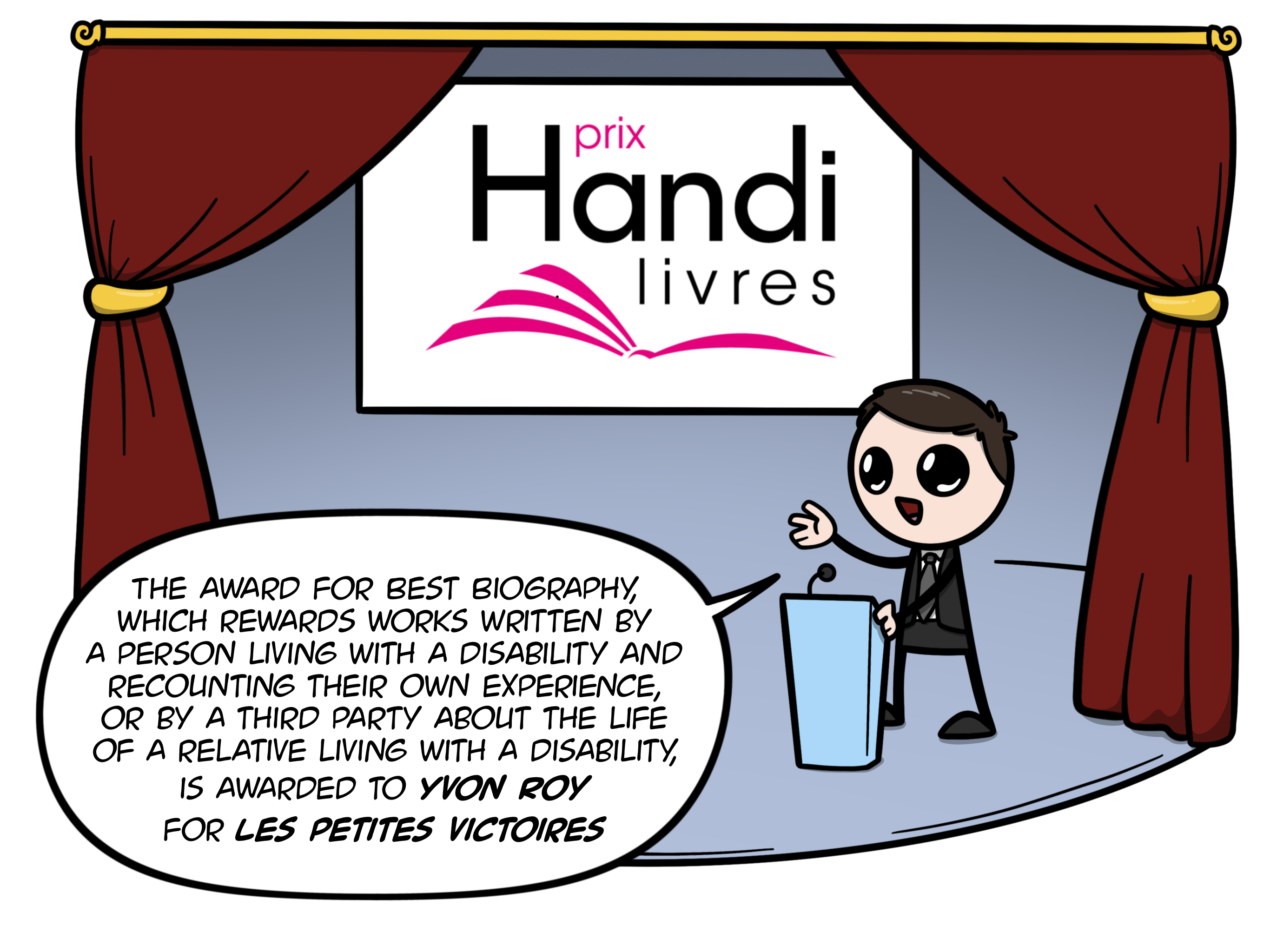

This is Marc, stand in for the author: Yvon Roy
This is his son, Olivier, who is autistic.
Les Petites Victoires showcases the fight of a father for his son, diagnosed with autism "in order to transform an announced defeat into small victories" (sic, our translation).
In his preface, Roy explains the contextualises the creation of his comic book:
"The idea was first suggested to me by a special educator who had worked with my son. She thought that what we had accomplished together was worth sharing so that other parents could find, through our experience, some useful information, if not a little hope" (our translation).
Interview
"When I started working with my boy to help him, with all the professionals in the field, I realized that often we were told, or they tried to tell us, that we had to work on living with autism, on accommodating autism. How we had to deal with different crises, different problems, whereas I thought, well, no, it's better, definitely, to try to overcome it than to live with it. And that's been kind of my master idea, let's say, for years with my boy, which is to try to push the boundaries constantly, always further." (Our translation)
Why choose this comic book?
This comic book is an example of a creation that is easily accessible to the general public that has been awarded and highly publicized - even winning an award that recognizes works written by a person living with a disability and recounting their own experience, or by a third party about the life of a relative living with a disability. In 2018, the publisher Rue de Sèvres announced a contract for a film adaptation, which caused reactions and led to the hashtag :
#boycottlespetitesvictoires
As we will show, this is an example of the social representations of autism that perpetuate dominant understandings that do not fit the lived experience of those directly concerned to the point of being discriminatory. It is also difficult to identify moments when the child (the autistic character) shows agentivity. Instead, he’s passive in his father’s story. In a way, Olivier is only a supporting character. This is exaclty why representation doesn't mean autorepresentation and why "nothing about us whitout us" matters: although this comic is presented as a positive narrative from the allist perspective (3rd person), the story is completely different from the standpoint of the autistic community’s testimonies (1st person).
An allist person is a non-autistic person.
To understand the term "allist", we must go back to the origin of the word "autistic" which comes from the Greek word "autos" which means "self". So the word "autistic" initially referred to a person withdrawn on themself, who lives in their own world. The term "allist" appeared in a satirical article to refer to non-autistic people by swaping “autos” for "allos" which refers to others. So an allist is a person who is focused on others or, to flip the usual narrative, a person who lives in other people’s worlds.
In spite of the satire, the term “allist” has remained in use among others because it allows to distinguish between "neurotypicals" and "allists". There are people who are not autistic, but who are not neurotypical: a non-autistic dyslexic person, for example.
For a deconstruction
of the problematic propositions of the comic book:
But do you know the story from the autistic community’s perspective?
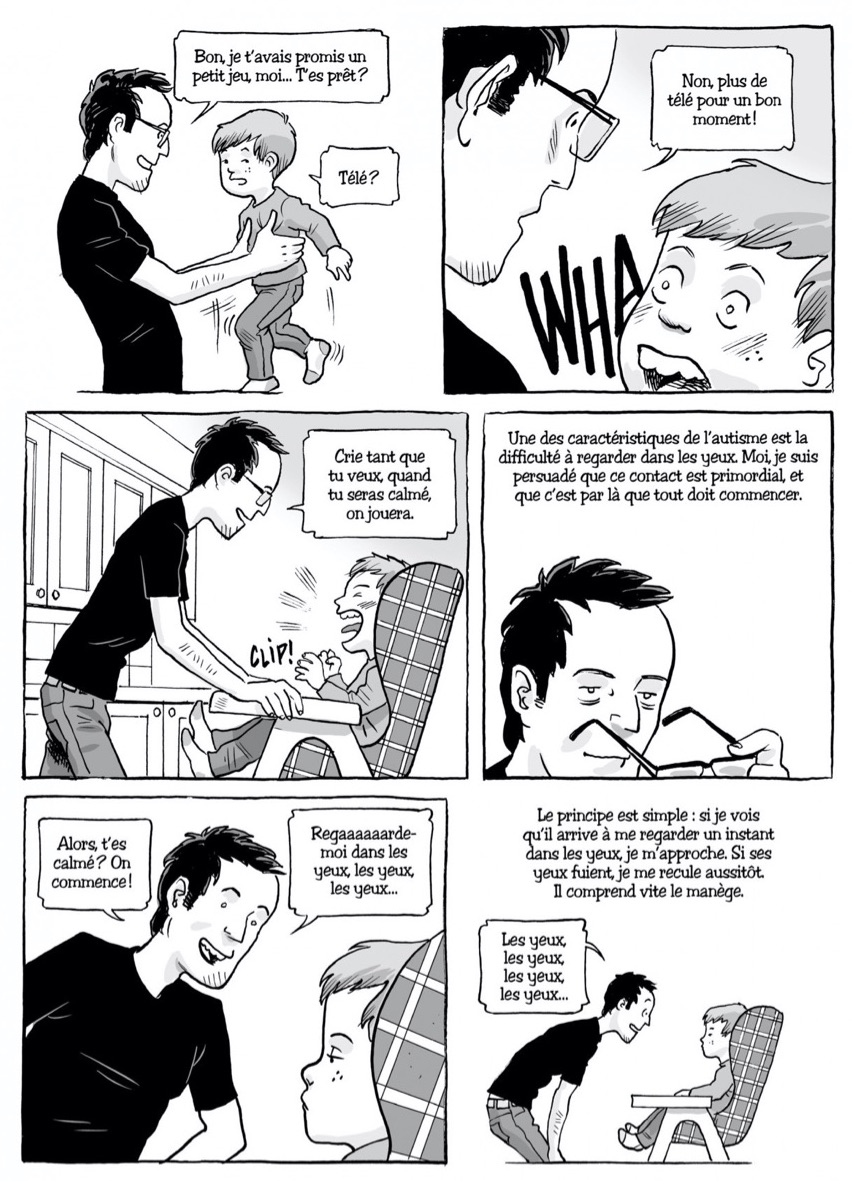
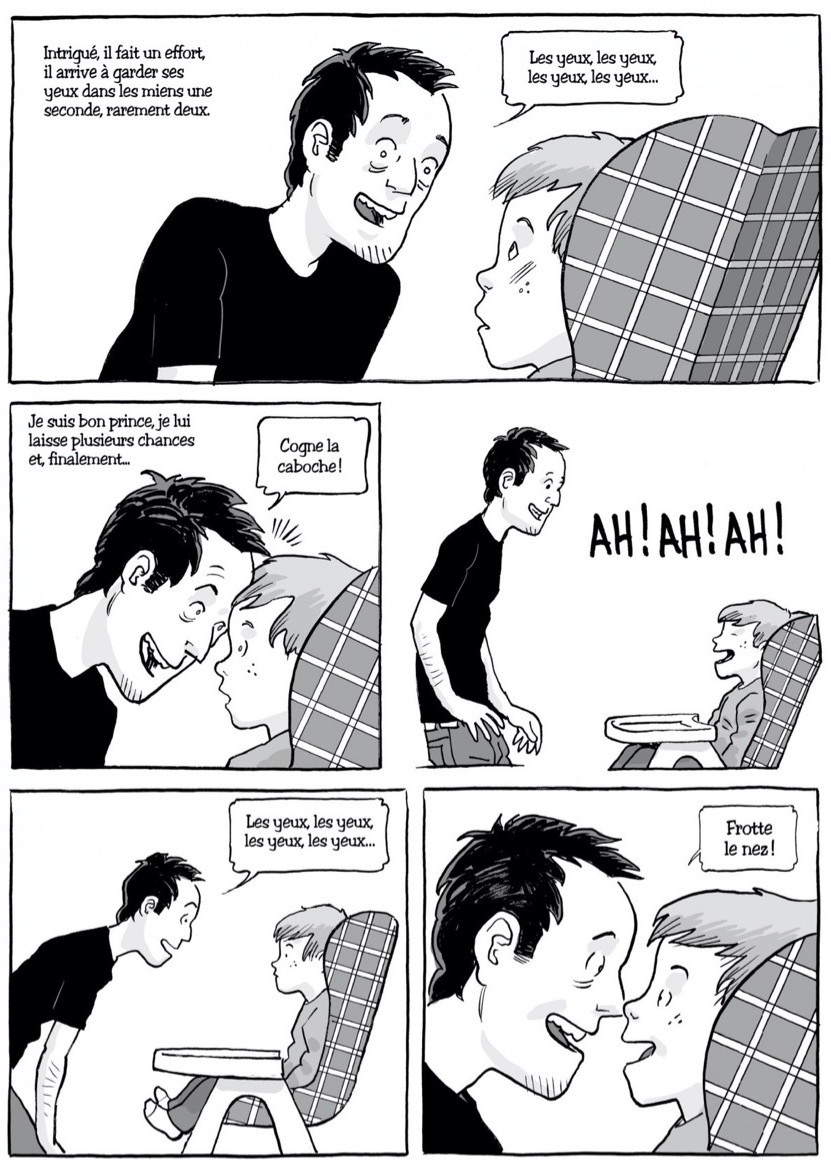
This is where webcomics can serve as an accessible tool that allows the reversal of dominant representations by opening the floor to self-representations directly grounded in marginalized communities. But before continuing with the topic of webcomics, we wish to feature an excerpt from Les Petites Victoires that addresses a frequent theme in autism: eye contact.
Excerpt on eye contact
English translation
English translation
Excerpt from Yvon Roy's interview
"I worked a bit like we can work to sometimes desensitize a substance. Sometimes certain people can have an allergy, we can try to desensitize them.
Several parents have contacted me regarding the trick to get the child to look in the eyes. This is the first thing we worked on together, that is to say, I considered that being able to look in the eyes - we know that autistic children have difficulty looking directly in the eyes - I said to myself, if we don't have eye contact, we have nothing. We need that, it's the beginning of human interaction." (our translation)
TW: The host uses the term “prison” in reference to autism:
"In your story that you shared with us in Les Petites Victoires, there is obviously the moment when you get up to face, to accompany your child in that reality: to learn to understand him too, inside what he lives and this prison, in a way, from which he is pressured which is basically this condition." (our translation)
Link to the interview (in French)
This scene is an example of neuronormativity
Recall that neuronormativity is the prevalent, neurotypical set of assumptions, norms, and practices that conceives of neurotypicality as the only acceptable or superior mode of cognition, and that stigmatizes attitudes, behaviors, or actions that reflect atypical modes of cognition as deviant or inferior.
This scene is told from the allist perspective and is presented with a positive outcome. In fact, as the author mentions, parents have applied this technique with their autistic children after being inspired by it.
But what if we ask autistic people how they feel about eye contact? That's exactly what we are going to do.
PART II
Why webcomics?
The medium of webcomic enables me to do something I don't know how to do otherwise: share how things feel on the inside.
Imagine. You come across a newspaper at the local coffee shop and recognize the face of a well-known personality. Yet you can't remember their name. It annoys you, you know you know it, it’s just not coming out, it stays there, on the tip of your tongue. You have time to come back to work, coffee in hand, and the name still hasn't come back to you, it still annoys you. You come across a colleague and you ask them, you describe the person, maybe clumsily at first (it would be so much easier with their name!), but you adjust to your interlocutor and, together, you can finally recall their name, it was so obvious!
It’s important to emphasize this feeling of annoyance. We rarely take the time to mention this annoyance when talking about epistemic injustices. Yet it is there, and it can even be painful: how do we make sense, to use Fricker's classic example, of our experience of sexual harassment when the concept does not yet exist? How can we share the feeling that something is wrong? This is where community comes into play and it is why the idea of "by and for" matters more than, say, a criterion of simplicity might. This is addressed by feminist epistemologies: for example, Longino argues for pragmatic values in science such as diffusion of power (as the importance of making research programs accessible to the actors involved in the research).
The impact of inadequate social representations on neurodiversity cannot be fully resolved by the traditional narrative of epistemic oppression and justice: adding new vocabulary to collective epistemic resources is not a panacea (we already have the word "autism" for example). So it is not only words that are missing, but rich and diverse lived experiences are also missing from the pool of shared resources.
The problem is that what is missing, the hermeneutical gaps, are not automatically apparent: social representations created by and for the dominant groups inadequately fill the hermeneutical gaps of marginalized groups. To that effect, let us recall here the Handi-Livre prize for the best biography which rewards works written by a person with a disability and telling his or her own experience, or by a third party on the life of a close relative with a disability: In the case of Les Petites Victoires, the award went to the biography of an allistic (non-autistic) person talking about autism. These inadequate social representations are difficult to resist: they are constantly and persistently reproduced. It is even harder when you don't have the words to replace theirs. But do we really have to wait for the right words to share our experiences? This is where illustration can become an attention grabbing action like shouting: an action that does not need words. This is what we propose here: a form of non-propositional epistemic resistance in response to hermeneutic injustice.
Webcomics are basically online comic books. They are mostly instantiated as short comics that take many forms and cover many topics. The most common form of webcomic is probably the blog (sometimes autobiographical, sometimes entirely fictional, sometimes both). Because they are mostly published independently by their artists, webcomics are an art form that is not limited by institutionalized power dynamics such as publishing houses or art galleries.
But the most important thing for us here is that webcomics are able to generate aesthetic experiences that allow viewers to better understand different aspects of the lived experience of neurodivergent people despite the inadequacy of mainstream epistemic resources.
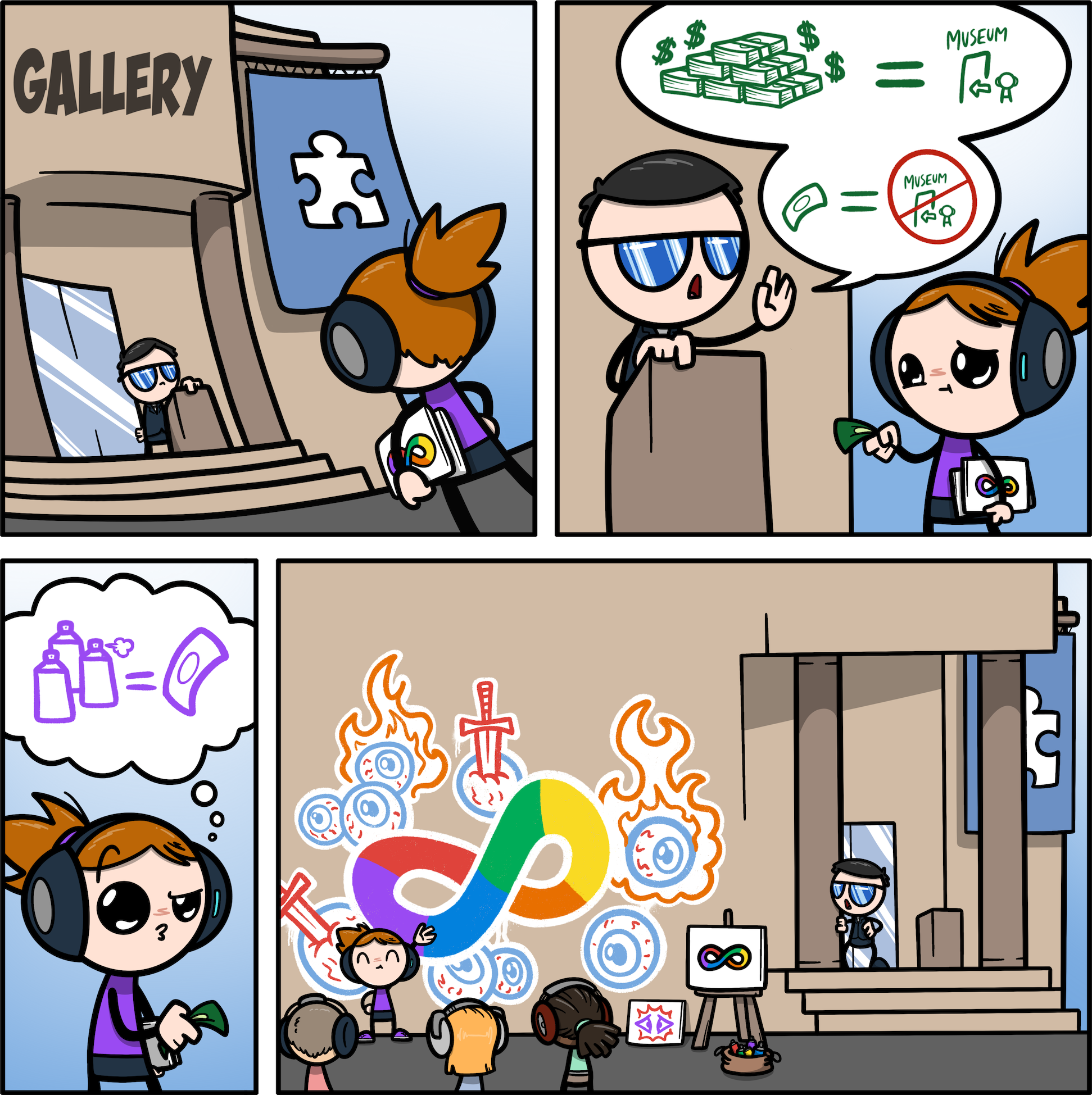
In some ways, webcomics are a digital version of street art.
Although limited to a given geographical space for street art and to a particular digital platform for webcomics, there is this common idea where it is not so much the public that goes to the creation as the creation that goes to the public. We are no longer in a reserved and predefined space like a museum, a bookstore, a gallery or even a library.
Although a recognized artist can make street art, it is more difficult for an artist who does not belong to a complex and influential network to access some places of diffusion such as an art gallery. Webcomic is thus added to the tools that allow the production, use and transmission of more accurate social representations, participating in the collective understandings of the oppressions suffered by epistemically marginalized groups. The public and interactional aspects of social media that support webcomics make them a catalyst for direct dialogue with (but also within and between) marginalized communities.
To put our epistemic resistance into action,
and to enhance our imaginative ressources, we chose to gather first-personal testimonies and descriptions of how eye contact can feel for autists.
After all, who better to provide insight into a given lived experience than those who live it? To do so, we used social media (instagram and facebook) to ask autistic followers of our webcomic (@lilyspectrum): How does eye contact feel to you? Although we are neurodivergent, it was important for us to go with the community beyond our individual experiences. For instance, we would never have thought of the sunburn idea on our own, but once we read those testimonies, it felt right.
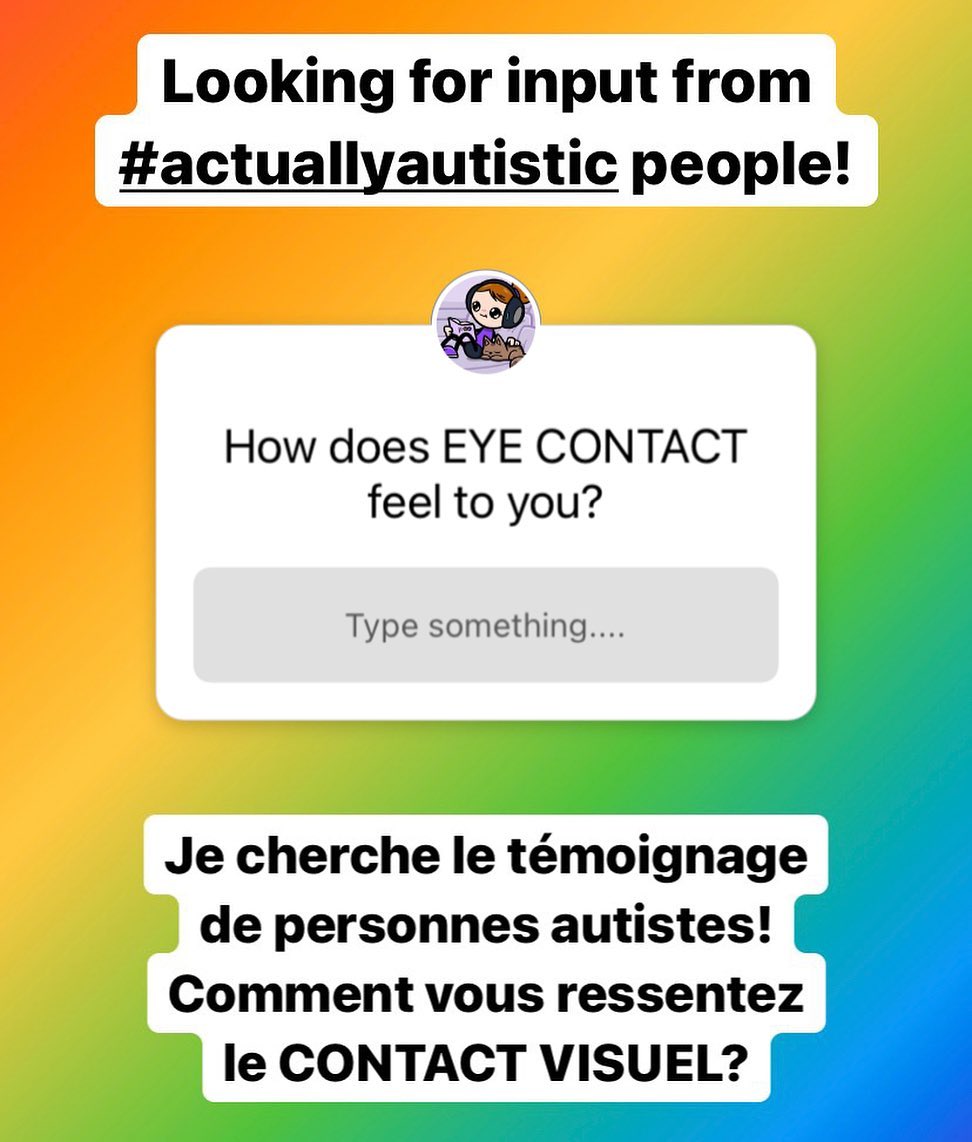
Both posts were made on November 8, and three days later, on November 11, we had received 175 testimonies. A few major themes emerged from these testimonies, which we used to base 7 webcomics or illustrations on. Keep in mind that, with this process, we do not claim to represent all there is to express about autists’ first-personal experience of eye contact. In fact, we suggest you visit these posts yourself to better understand the varied responses we got, and are still getting. And who knows, maybe this will allow you to add your own insight.
Publication
Since Monday, we have started to publish these comics on our social networks and we will continue to publish them in the following days
The interactions that take place around such webcomics are, we believe, an integral part of their complete aesthetic experience. These interactions often bring about clarifications, complementary details and descriptions or even added meaning. We thus invite you to visit these posts and interact with the community.
Webcomics
"I can do it but I can’t process anything else while doing it. My natural instinct and what feels the most right is to not look at someone’s face at all"
"It was drilled into me as a "rule" of politeness. I view it as just that, a rule. It's easy when there's multiple people because I can look around. But with one person, I have to look away or I end apparently end up staring"
"Everyone insisted on it, especially when they really wanted to correct a behavior or ensure I was paying attention. I honestly still don't love it, and prefer to look at noses or eyebrows to provide the impression I'm making eye contact"
"Eye contact was enforced during my childhood in mostly abusive ways and while it taught me to fake it, that made me hate it even more. Generally it just makes me uncomfortable and I find it quite distracting but it's also one of the most tiresome things to mask."
"Eye contact feels like they're staring into my soul, but with knives. I can make short eye contact before wanting to cry."
"It takes a concerted effort except for specific people."
"I’ve been so conditioned to make eye contact with people that when I met a lot of my friends for the first time they were kinda weirded out by me unblinkingly paying attention to them when they talked like 👁👄👁"
"It feels like someone is looking right past all my defenses and directly into my head. Not very pleasant."
"Terrifiant, j'ai vraiment l'impression qu'on me transperce à chaque fois …"
"Like I am being stabbed in the brain, itchy under the scalp, or suffocating. Anxiety is anxiety. I look at people's foreheads. They never know the difference but I am not forced to juggle the pain of eye contact and try to communicate. I am mostly non verbal and eye contact guarantees no words."
"Ça me met vraiment mal à l'aise et j'ai peur qu'on puisse mal interpréter si je regarde pas "correctement", je sais pas si je dois regarder quelqu'un dans les yeux ou combien de temps, il faut surtout pas que je regarde autre chose chez lui que ses yeux et du coup je sais pas quoi faire je préfère regarder le mur derrière mon interlocuteur 😂"
"Tout dépendra de la situation, de ma fatigue et de la personne. Certains contacts peuvent être transperçants (douloureux), d'autres envoutants (confusants), d'autres destabilisants (perturbants). En tous cas, si je regarde qqn dans les yeux, je suis sûr de perdre mon fil de pensée et/ou d'accorder mes réponses à ce que la personne ressent."
"Eye contact feels like burning discomfort, especially when I'm being told to do it."
"It’s extremely hard for me to maintain eye contact, and when people express to me that I should be looking at them when I’m talking to them, it puts me under more stress than just talking to them in the first place"
"somehow being told we should be making eye contact feels like being reprimanded as a child, at least to me.. I can't count the amount of times my mother would tell me to look her in the eyes as a child, and how humiliating/stressful it felt.. I legit forget to listen to people because I'm too busy trying to maintain eye contact."
"At best, awkward and uncomfortable. At worst, like someone's stabbed me in the eyes."
"It makes me uncomfortable but my mother forces me to look people in the eyes"
"Painful, but I feel like if I don't look ill be punished or called a liar. So I trained myself to look at something over their shoulder if not their foreheads to avoid harassment."
"Habituellement je regarde plutôt la bouche ou le nez des gens et ça semble passer crème pour donner l'illusion que je regarde dans les yeux (j'ai eu droit à l'expert en haute potentialité qui me disait que c'était impossible que je sois autiste car.. je le regardais dans les yeux ! Je regardais sa bouche depuis le début de l'entretien..). Je ne me force au contact visuel que de manière consciente et dans de rares cas précis : [suite]
(suite) par exemple si je suis attiré romantiquement par quelqu'un et désire que cette personne le perçoive (vu que le contact visuel accru est interprété de cette façon par beaucoup de neurotypiques). Mais cela reste un sacré effort et en général je détourne les yeux très rapidement, ça me met mal à l'aise, c'en est presque physique. Récemment un de nos profs en cours nous a fait faire une série d'exercices où on devait marcher vers quelqu'un/revenir à sa place à reculons en gardant le contact visuel constant avec cette personne.. je vous laisse deviner la torture que c'était"
"Transperçant!"
"J'ai l'impression que les yeux de la personne me percent à l'intérieur, je sais pas comment dire, c'est une sensation d'oppression aiguë."
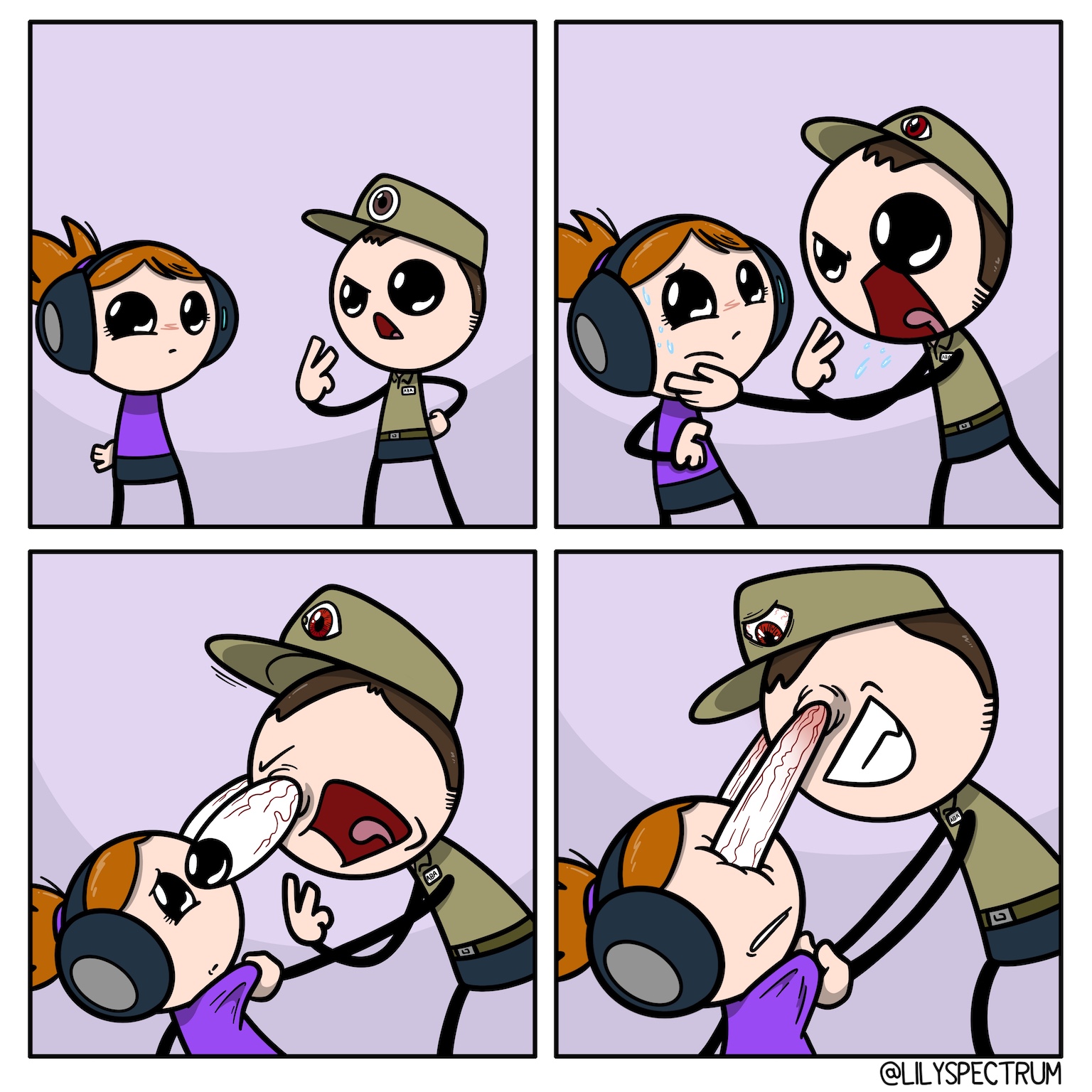
"For me, looking in the eyes feels too exposed and open. It makes me feel like I can't hide and protect myself from the people."
"Eye contact makes me uncomfortable most of the time, because of the feeling that I am being silently judged or getting talked about negatively."
"It's fine when I'm listening to someone but when I'm the one talking it makes me get stage fright like I'm being put on the spot to judge for performance lol"
"Too intimate, inappropriate… I become incredibly self conscious as well, like am I doing eye contact right? Should I be mirroring their behavior or a close approximation or complete opposite? How many times should I blink? Can they tell I’m faking this human interaction? It’s incredibly stressful."
"It feels like something is a required check box. It’s like a math problem. Look, one, two, three. Okay. Look away. Zone out if you need to. Okay, it’s been 10ish seconds. Look back. One, two, three.. okay, look away! Don’t share at them! Wait! You’ve looked away too long! Look back! …..it’s that on repeat quite often lol"
"I hate it I get so nervous and then I break down."
"I don't like it, makes me really uncomfortable. I'm "good at it", because I mask well (😬). I never know what to do, if I'm looking to much or not enough and always use a whole lot of energy just on eye contact. Generally, the more comfortable I feel the less I look someone in the eyes. (Also eyes as a body part make me feel really icky so that's that)."
"Intimidating and uncomfortable, I feel too vulnerable and keep thinking am I doing this right?"
"Ça me met vraiment mal à l'aise et j'ai peur qu'on puisse mal interpréter si je regarde pas "correctement", je sais pas si je dois regarder quelqu'un dans les yeux ou combien de temps, il faut surtout pas que je regarde autre chose chez lui que ses yeux et du coup je sais pas quoi faire je préfère regarder le mur derrière mon interlocuteur 😂"
"Eh bien, quand j’étais petit, je parlais et écoutais souvent le monde sans les regarder dans les yeux. Maintenant, ça me dérange pas de parler et écouter avec le contact visuel, mais j’peux très bien comprendre ce que le monde me dit sans obligatoirement les regarder dans les yeux. Aussi, c’est vrai que ça me rend un peu mal à l’aise quand des inconnus me fixe du regard. C’est comme s’ils me jugeaient et j’sais pas ce que j’ai fait de mal."
"Direct eye contact feels like I am being judged. It also makes me feel uncomfortable because I become unable to perceive and read the rest of their body language."
"Démunie, nue. Percée à jour. C’est très fort comme sensation, et rarement agréable. J’y arrive avec mes enfants ou mon mari, mais même dans ce cas, pas trop longtemps. Si je veux tenir une conversation, et me concentrer, alors je dois ruser. Je regarde entre les deux yeux ou le plus souvent la bouche."
"Feel nausea and anxiety, and extremely naked. Yet my mother was adamant that I learned it and therefore I am able to do it, despite the uncomfortable feelings. Absolutely love your work, for once I can tell that I am not alone"
"I feel instant stress and I have to force myself to do it and to look "natural"."
"Honestly, each time it happens to me, the most awkward feeling I have is « where should I look exactly » ? When you make eye contact, are you expected to focus one eye specifically (which one, then ?), between the eyes, not focus at all, or try a weird way of having each eye "looking" into the facing one (i.e. my left eye "looking at" their right one and vice-versa) ? I'm also never sure if/when eye contact is expected, and when it happens, is there/what is the hidden message behind this specific contact, and/or am I sending an incorrect hidden message myself ? Then, with all these questions actively consuming my brain "computing power", everything else totally miss the point (sometimes, though, I can hide this issue because I have this kind of ability to "replay" the last few words/sentence I unconsciously heard, to process it with a delay but potentially without the proper context- so it's not reliable at all !!). "
"Weird and artificial. I can actually read people's eyes now, but it took me years to learn it."
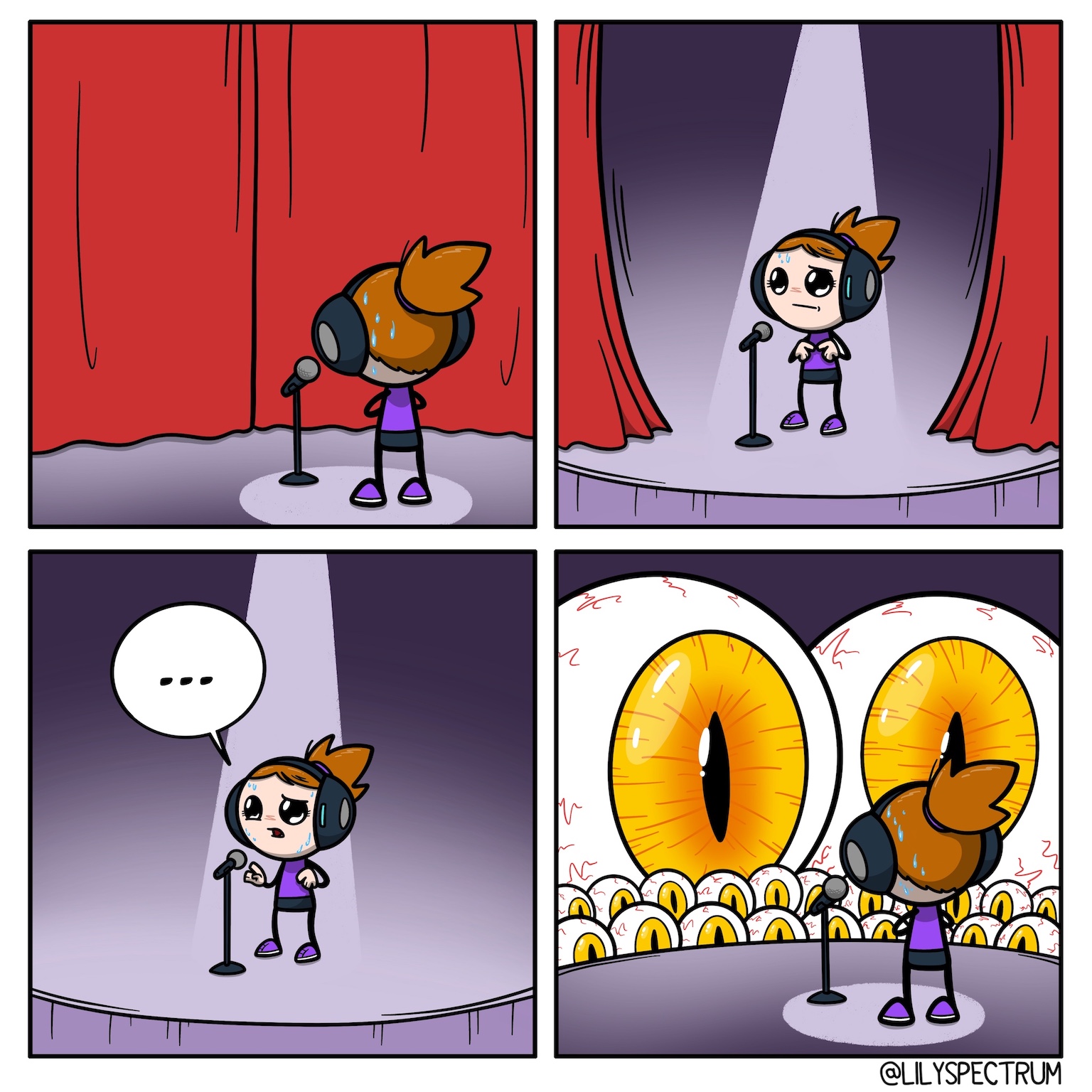
"My parents rasied me to always look into the eyes, still feels wrong. Like, I am invaiding a personal space and being rude. Like trying to stare down their soul and violating their privacy. I still try to look at people in the eyes but have learned to just looks in differents points in the face so I don't seem rude."
"Eye contact feels too intimate to me for most interactions. If I make eye contact with you, it’s because it’s important. "
"Eye contact feels very intimate. If I’m forced to hold it for too long, I feel violated, like I’ve been touched without consent."
"I really hate eye contact in almost all circumstances. About the only exception is with someone I'm very intimate with. Eye contact feels extremely intimate to me in general so it only feels natural when it's with someone I've got a suitably intimate emotional connection to. Otherwise it feels like I'm staring into someone's soul and I can see everything and they're staring into mine and seeing the same (even if I know they're not)."
"Invasive, extremely personal. I'm only comfortable looking my husband in the eyes"
"It feels like I’m standing too close to someone, I don’t know if that’s too vague of a comparison but it feels way too intimate. So I only do it when necessary or when I’m comfortable with that person."
"It feels creepy to me"
"I don't like it, makes me really uncomfortable. I'm "good at it", because I mask well (😬). I never know what to do, if I'm looking to much or not enough and always use a whole lot of energy just on eye contact. Generally, the more comfortable I feel the less I look someone in the eyes. (Also eyes as a body part make me feel really icky so that's that)."
"I hate eye contact. It almost hurts. But it’s nessesary to have a successful professional life, and my parents trained me well as a child. They would ask me people’s eye color after I met them to see if I made eye contact. Being trained like that at a very young age was incredibly difficult and felt unfair, but I’m very grateful that they pushed me now that I’m an adult."
"I can't do it, it makes me feel funny in a bad way and makes me feel kind of .. unsafe? and uncomfy I don't exactly know the word for the first one, I don't mind people looking at me but I won't look back"
"It's incredibly intimate and overwhelmingly so, particularly with strangers. And the more my emotions are revved up, the less I can tolerate it. It genuinely feels as though someone can see into my mind almost, even though I know that they can't. On the plus side, when I'm with someone I deeply, deeply love, sometimes that's okay because I want them to see how much I love them... but then that tends to make THEM feel awkward and uncomfortable too. LOL For me, it falls into the same category as standing too close, invading personal space, touching someone without consent etc. It's intimate, and can very easily become violating when you don't want it. And that;s so hard to explain to NT folk who expect you to look them in the eye all the time."
"It's okay with people I know, but I don't feel comfortable with eye contact with strangers, it almost feels like an invasion of privacy."
"eye contact feels so weird and creepy and if i have to make eye contact with someone, then ill quickly feel exhausted."
"It feels like a boundary rupture unless I completely and totally feel comfortable in a container of safety with another it probably won’t happen much."
"Well... I can't let anyone touch my eyeballs."
"Trop intrusif. Comme si l autre avait la perception de mes pensées. C est comme se montrer nue."
"Intense/ overwhelming/ fiery/ intrusive. Sometimes painful/ always difficult with strangers. Ok with intimate friends and family."
"Démunie, nue. Percée à jour. C’est très fort comme sensation, et rarement agréable. J’y arrive avec mes enfants ou mon mari, mais même dans ce cas, pas trop longtemps. Si je veux tenir une conversation, et me concentrer, alors je dois ruser. Je regarde entre les deux yeux ou le plus souvent la bouche."
"Feel nausea and anxiety, and extremely naked. Yet my mother was adamant that I learned it and therefore I am able to do it, despite the uncomfortable feelings. Absolutely love your work, for once I can tell that I am not alone"
"confronting and very intimate ..i feel naked"
"Quelque chose d'extrêmement intime, que je ne peux pas partager avec n'importe qui sinon je suis déstabilisée car je bloque sur cette sensation d'intimité forcée. Depuis le diagnostic, je me permets de ne plus regarder le visage des gens (je ne travaille pas). Quel soulagement!"
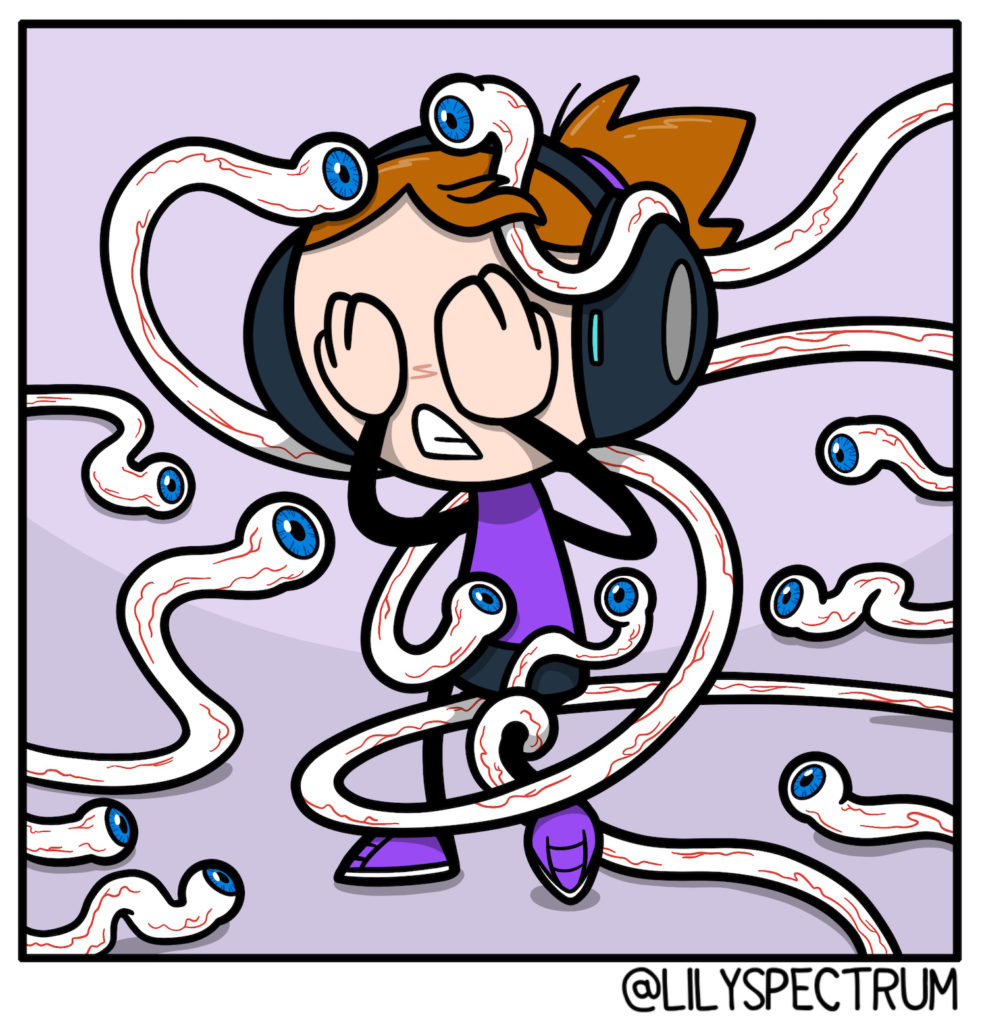
"Eye contact feels like they're staring into my soul, but with knives. I can make short eye contact before wanting to cry."
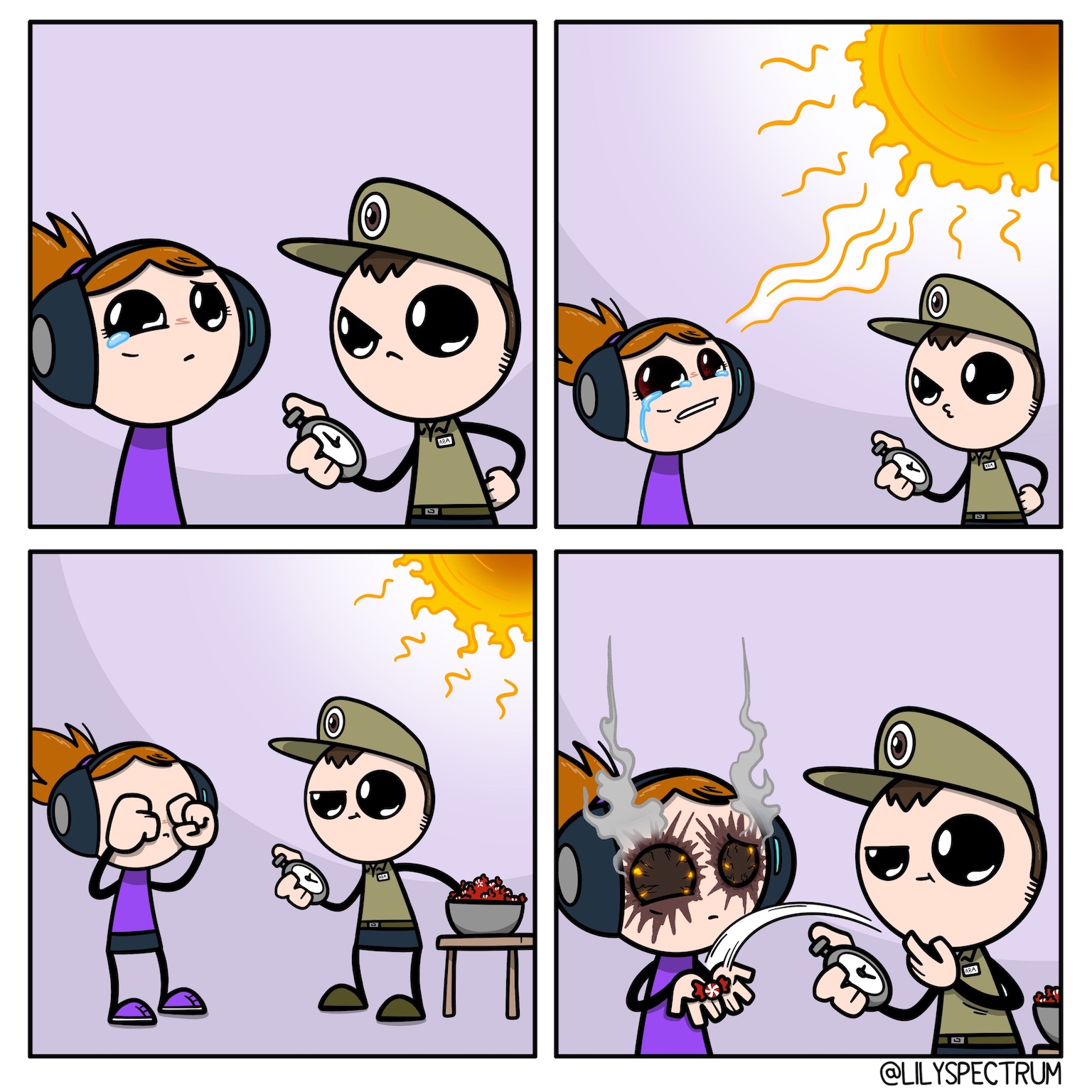
"It’s like being asked to look directly at the sun. I flinch, I can’t do it…"
"It feels like they gonna shoot me with laserbeams. Like Cyclops from X-Men. I van handle it for 10 seconds. I get panick attacks of it's to long. Even with my bf makes me on edge. I got a major panic attack during a being social etc exam (idk how it's in English is). It was so bad. They let me past because otherwise i needed to do the whole year over."
"Feels like I’m staring at the sun and I can only look a person in the eyes for 30 seconds or so before my eyes start to hurt a bit. I can only look animals in the eye."
"Like flames of intense awkwardness are scorching my retinas."
"When I was younger I always had trouble making eye contact. I’ve gotten better at it in recent years but its still painful to me."
"Eye contact feels like burning discomfort, especially when I'm being told to do it."
"Ça me demande beaucoup de concentration. J'ai l'impression que ça me fait mal aux yeux et quand j'étais plus jeune je pouvais même ne plus vraiment entendre ce que la personne me disait. Par contre ce n'est plus un problème quand je me mets vraiment en colère au point de vouloir me battre."
"Ca va de la gêne à la sensation de brûlure, ça dépend des personnes je suppose. On peut parfaitement regarder le nez, la bouche, entre les yeux sans que l'autre ne sen rende compte."
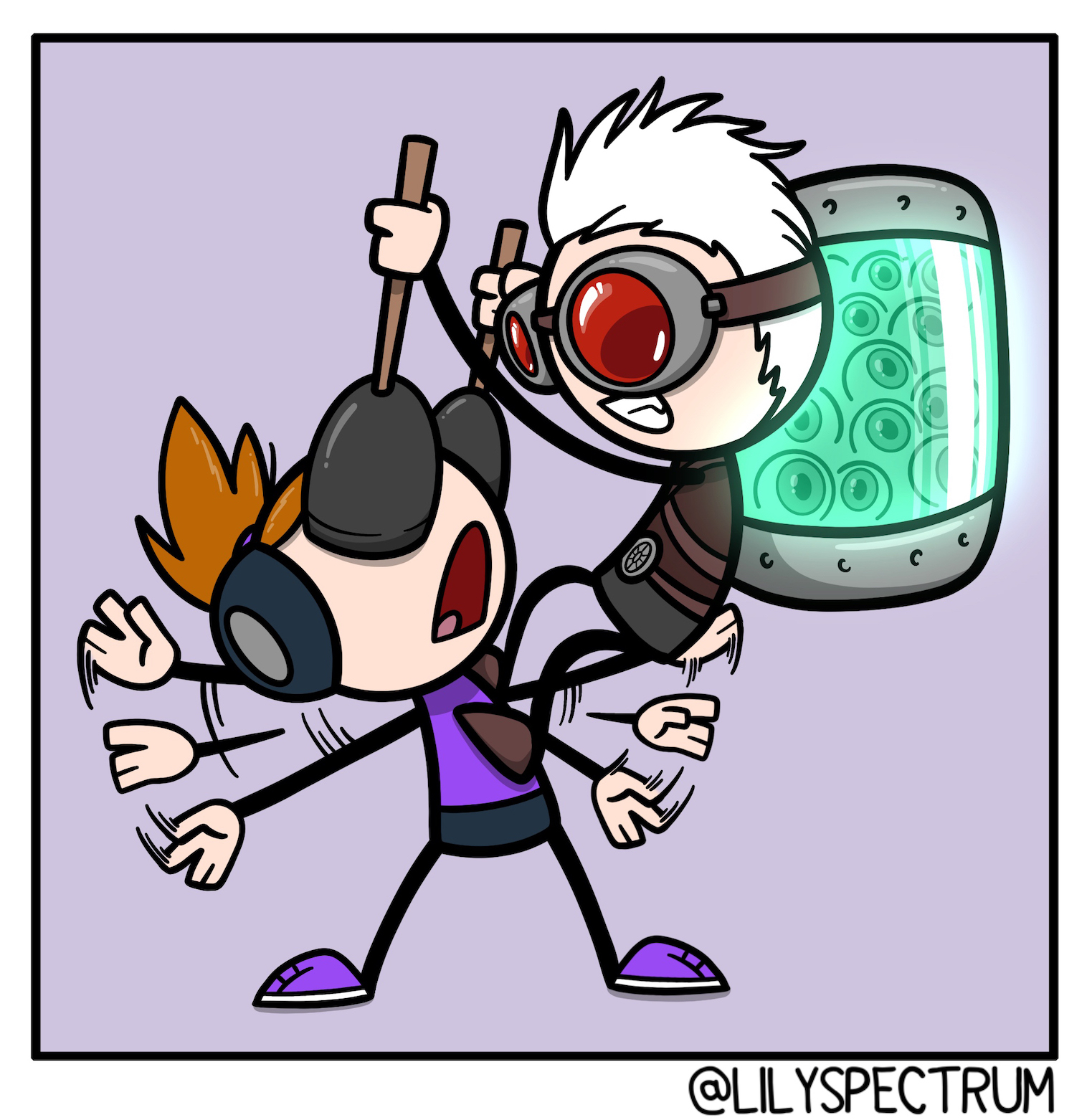
"I can’t think if I have to. Feels like pressure."
"Bad, I feel like my head is going to explode if I look at someone's eyes for too long. I suspect it's probably a blood pressure drop or adrenaline, but it feels awful. I honestly don't get why so many people require eye contact when speaking. I can make eye contact, but it's really difficult to understand what the person is saying because I'm too focused on how uncomfortable I feel and how incredibly awkward it is to stare at someone's eyes"
"It feels literally painful and I’m always afraid the other person can tell what I’m feeling/thinking. I’m comfortable with eye contact with very trusted folks in my life though."
"Painful"
"I really hate eye contact in almost all circumstances. About the only exception is with someone I'm very intimate with. Eye contact feels extremely intimate to me in general so it only feels natural when it's with someone I've got a suitably intimate emotional connection to. Otherwise it feels like I'm staring into someone's soul and I can see everything and they're staring into mine and seeing the same (even if I know they're not)."
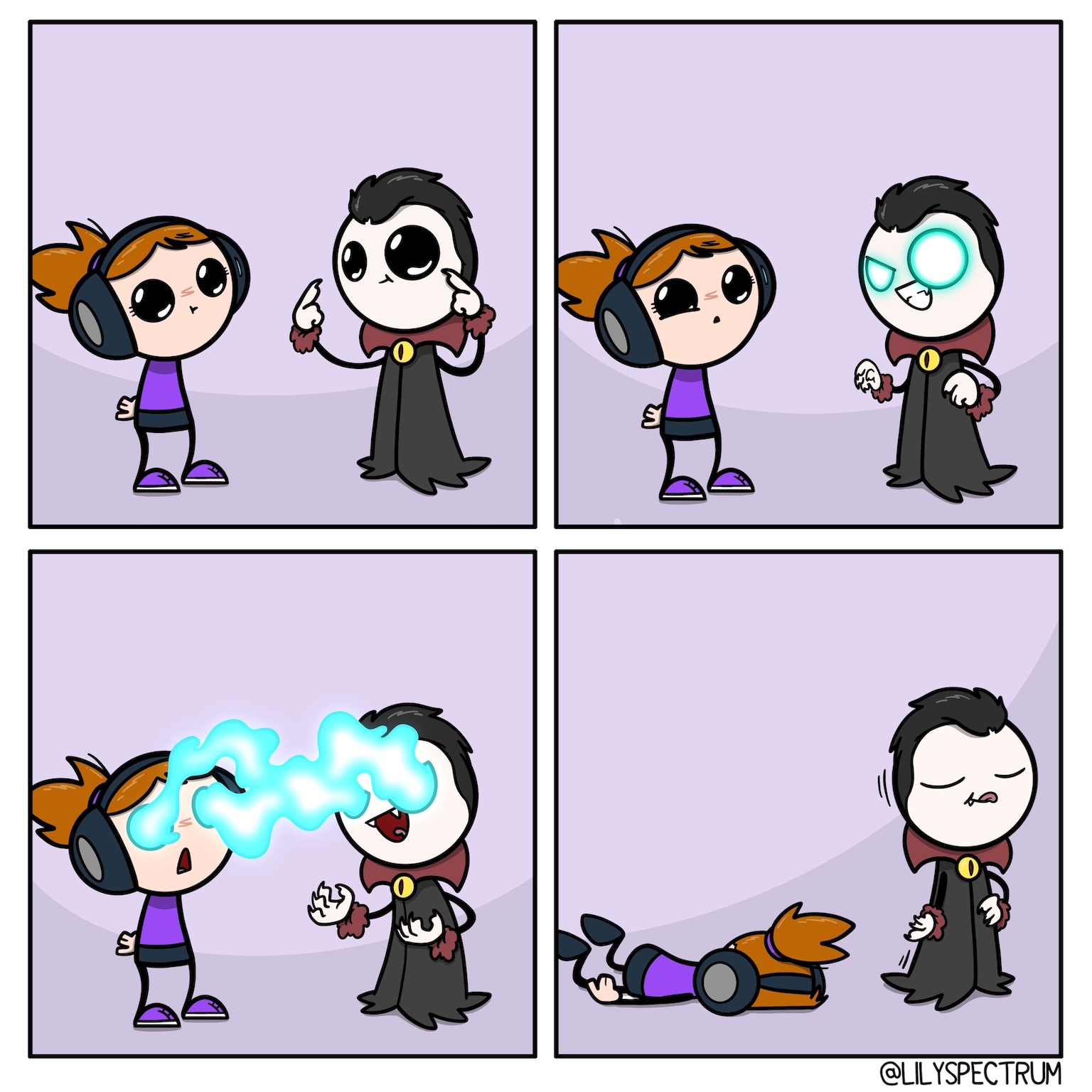
"I cant make eye contact with literally anyone. Its uncomfortable, and even when its not, i cant listen proberly to what people are saying when i focus on the eyes. I just cant do it at anytime with anyone, only for one second maximum. Its like staring into someone's soul, its too much."
"J’ai l’impression d’être absorbée par les yeux de la personne et en même temps comme si on pouvait voir ce qu’il y a à l’intérieur de moi."
"honestly it feels like i am being sucked into their soul… i can’t maintain it if i want a conversation because i just get lost"
"Like someone staring at my soul? I almost feel like that's the part of masking that exhausts me the most!"
"It's uncomfortable. But sometimes if I want to intimidate someone I stare deep into their eyes and make them feel unnerved like I'm looking into their soul."
"Tout dépendra de la situation, de ma fatigue et de la personne. Certains contacts peuvent être transperçants (douloureux), d'autres envoutants (confusants), d'autres destabilisants (perturbants). En tous cas, si je regarde qqn dans les yeux, je suis sûr de perdre mon fil de pensée et/ou d'accorder mes réponses à ce que la personne ressent."
"Trop intrusif. Comme si l autre avait la perception de mes pensées. C est comme se montrer nue."
"J’ai l’impression d’entrer dans l’âme de la personne. Je trouve ça trop privé. Alors je ne regarde que ceux dont j’ai vraiment envie de découvrir ce qu’il y a au plus profond d’eux même"
"I'm okay with it for small periods of time, but if it's more than a minute, I have to look away, it makes me super uncomfortable after that"
"It took me around 2 years to be able to do eye contact (kind of struggle still-) but normally if im uncomfortable looking at the eyes, ill just look at the nose instead"
"Awkward. The longest I can probably do it is for a few seconds, but sometimes it’s physically impossible for me to look someone in the eyes even for one second."
"Ça me met juste très mal à l’aise, et du coup je préfère regarder ailleurs et ne regarde les gens dans les yeux s’iels ne me regardent pas."
"Incapable de soutenir un eye contact sauf avec certaine personnes... Ma famille (ma mere, mon pere, ma soeur), ma nièce, mon beau frère et mon conjoint. Quelques amis specifique aussi... Mais sinon incapable. Je chercher tjrs a "évader" ses eye contact."
"Uncomfortable. I have trouble maintaining eye contact for long, especially in a conversation. However, I did figure out that talking with your hands is a great way to distract the other person's eyes from your and gives you a reason not to look at them."
"havent made eye contact with anyone (while i'm talking to them, that is) except my cats in years if that tells you anyone"
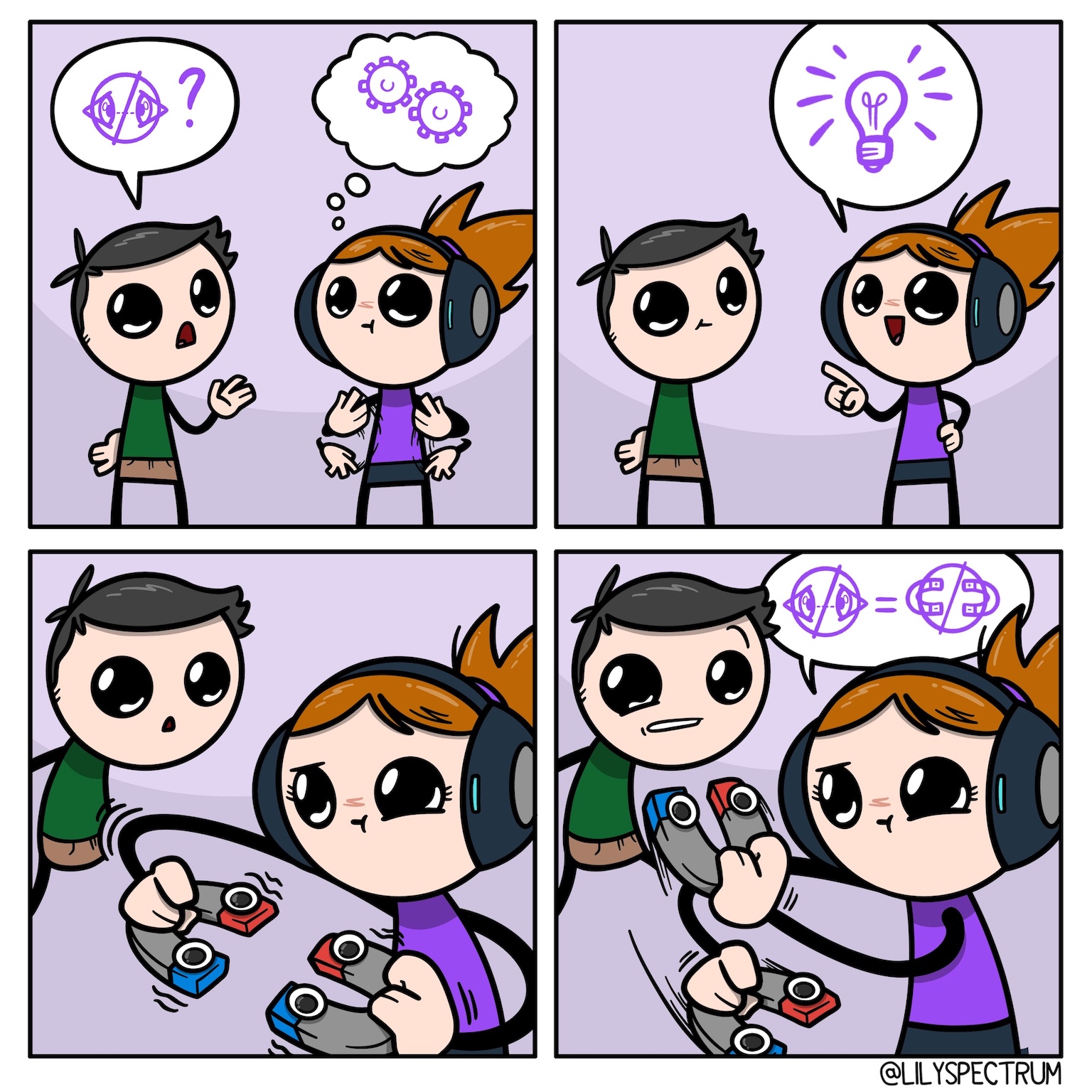
"When I was younger, it used to feel like when you held two magnets together both ends the same, it felt like no matter how hard you held them together, it would want to repel forcefully, my head wanted to repel and look past to the left or right or down or up like a magnet would, and when I managed to hold it against that feeling, my eyes would water up, not tears from sadness or anything, but they released tears, now I can manage it but it's still not comfortable to do, it depends on how comfortable I feel with the person or people or how stimulated I feel in an environment"
"It’s like when you hold two magnets with the same polarity against each other. Even if you want to put them together they won’t do it. The magnets are like my eyes. They just can’t center on the other persons eyes or it will cost a lot of energy. Like with holding magnets with the same polarity together. It’s just all in all very uncomfortable and draining. Btw I’m undiagnosed so I hope I can still answer here. Also I really really love your account and the stuff you do ^^ /g"
"Ça me met vraiment mal à l'aise et j'ai peur qu'on puisse mal interpréter si je regarde pas "correctement", je sais pas si je dois regarder quelqu'un dans les yeux ou combien de temps, il faut surtout pas que je regarde autre chose chez lui que ses yeux et du coup je sais pas quoi faire je préfère regarder le mur derrière mon interlocuteur 😂"
"Je me sens obligé de regarder chaque personne dans les yeux mais aussitôt que le contact est réciproque je baisse le regard aussi vite que mon ombre ainsi j'ai l'impression que j'ai fait ma part! haha! Par contre avec le monde avec qui je suis très, très à l'aise je vais quelque fois fixer les yeux, on dirait que j'essaie de comprendre pourquoi je fuis ceux des inconnus, alors je fixe en grand questionnement interne!"
"Awkward and physically painful , strong need to move my eyes away from it"
"Souvent trop intense… Et en plus il se passe tellement de choses autour des yeux qui m'intéressent plus et/ou me sécurisent plus! Je fixe puis je zappe, j'y reviens et je rezappe… Les sourcils, les lunettes, sont des bons compromis aussi, ou fixer mon regard dans le vague direction le visage ou le pourtour du visage… Ou fixer le visage avec une attitude très intéressée (posture corporelle de l'attention soutenue) quand la personne regarde AILLEURS, et quand son regard se tourne vers moi, fixer 1s seconde, sourire, et me tourner ailleurs vers qqn d'autre qui parle mais ne regarde pas vers moi à ce moment là, ou trouver à m'occuper avec un objet, et jongler comme ça."
"Je n'aime pas regarder sans les yeux, je ne sais pas, c'est plus fort que moi, je suis mal à l'aise, je ressens le besoin de regarder ailleurs. Du coup j'aime bien discuter quand je suis au resto ou quand on fait une activité, il y a l'excuse d'être occupée en même temps pour ne pas se regarder"
"Habituellement je regarde plutôt la bouche ou le nez des gens et ça semble passer crème pour donner l'illusion que je regarde dans les yeux (j'ai eu droit à l'expert en haute potentialité qui me disait que c'était impossible que je sois autiste car.. je le regardais dans les yeux ! Je regardais sa bouche depuis le début de l'entretien..). Je ne me force au contact visuel que de manière consciente et dans de rares cas précis : par exemple si je suis attiré romantiquement par quelqu'un et désire que cette personne le perçoive (vu que le contact visuel accru est interprété de cette façon par beaucoup de neurotypiques). Mais cela reste un sacré effort et en général je détourne les yeux très rapidement, ça me met mal à l'aise, c'en est presque physique. Récemment un de nos profs en cours nous a fait faire une série d'exercices où on devait marcher vers quelqu'un/revenir à sa place à reculons en gardant le contact visuel constant avec cette personne.. je vous laisse deviner la torture que c'était"
"Lorsque c'est quelqu'un avec qui je suis à l'aise ca va à une certaine distance mais de trop prêt je ressens un malaise assez vite. Si j'ai le malheur de croisé le regard avec un(e) inconnu(e) dans la rue ou dans un commerce, je regarde ailleurs aussitôt, gros malaise. C'est pour ça que j'évite de regarder les gens."
Thank you for joining us in this exploration!
We hope this experience was (and will be) as enriching for you as it was for us to come up with. We invite you to engage with us and the community through our posts or in the comments bellow!
This was a great article. Check out mobile windshield service for more.
Gonzo’s Quest slot UK, https://www.free-find.co.uk/2026/08/17/exploring-gonzos-quest-slot-why-its-not-always-available-2/ offers an immersive gaming experience which players embark on a treasure hunt. With stunning graphics and engaging gameplay, this slot enthralls fans of adventure. Its unique Avalanche feature generates exciting opportunities to win big! Enjoy exploring the ancient ruins while uncovering riches. Join Gonzo on this epic quest and experience the joy of spinning reels.
moglie pompino
This post supports safe detox and the importance of continuing care after Charlotte detox. hospital medical detox
Jemand, welcher, beim Erforschen von einem top Glucksspiel-Abenteuer in der Eidgenossenschaft ist, gelangt zwangslaufig auf die Marke Spino Gambino. Unsere Plattform konnte sich als Top-Destination fur Nutzer bewiesen, welche Wert auf Schutz, Abwechslungsreichtum und ein faires Spielerlebnis legen. Die Seite Spino Gambino bietet Ihnen einen exklusiven Einblick in unser Leitbild und unsere strengen Richtlinien. Das Team von SpinoGambino verstehen uns nicht nur als blo?e Casino-Seite, vielmehr als multifunktionales Spiele-Portal fur gehobene Anwender.
Unser Werdegang wird bestimmt durch dem Ziel, den virtuellen Glucksspiel-Markt transparenter samt zuganglicher zu formen. Bei Spino Gambino verwenden wir stetig auf fortschrittlichste Technik, sodass die personlichen Informationen zu schutzen und zudem zugige Transaktionsvorgange sicherzustellen. Man ist sich bewusst, dass dabei Zuverlassigkeit beim Thema der Online-Glucksspiele das fundamentale Kapital ist. Aus diesem Grund legen wir gro?ten Wert darauf, dass bei uns alle unsere Prozesse bei SpinoGambino fur unsere Spieler aus der Schweiz nachvollziehbar nebenbei fair gestaltet sind. Die Belegschaft besteht aus Branchenexperten, die standig daran arbeiten, das Casino-Portfolio zu verbessern und kreative Belohnungs-Systeme aufzunehmen, die genau exakt auf den Bedarf unserer Member angepasst wurden.
Wenn Sie mehr daruber erfahren mochten, welche Person hinter Spino Gambino sich verbirgt und zudem warum wir uns explizit fur den Schweizer Markt positioniert haben, ist unsere Uber-uns-Seite die ideale erste Anlaufstelle. Wir achten darauf, dass man du im Rahmen von SpinoGambino nicht nur spielen, sondern sich bestens aufgehoben fuhlen. Vom Start weg bis zu exklusiven VIP-Angeboten unterstutzen wir euch durch einen motivierten Kundendienst. Unser Ziel besteht darin, jeden Tag einen Schritt weiter zu gehen, um dir die Action zu offerieren, die ihr von einer top Spielbank erwarten. Entdecken Sie das Universum rund um Spino Gambino sowie werdet Teil einer wachsenden Community, in der Entertainment sowie Seriositat miteinander verschmelzen. Kommt vorbei umgehend und gewinne ein eigenes Bild von unserem breiten Portfolio und unseren transparenten Prinzipien, die SpinoGambino derart einzigartig gestalten.
Helpful content about detox readiness and support systems in Albuquerque— Albuquerque medical detox .
Great content for anyone considering help locally in Palm Beach Gardens. inpatient medical drug detox
Aktualnie dzisiejszym krajobrazie mobilnej rozrywki coraz wielu internautow poszukuje pewnych metod dotyczących natychmiastowy kontakt do hazardu spin granny . Gdy czujesz się entuzjastą automatow, z pewnością słyszałeś już o platformie spin granny. Stanowi to rozwiązanie, ktore zyskuje coraz większej renomie za sprawą przejrzystej nawigacji oraz bogatemu asortymentowi produkcji oferowanych szybko pod ręką. Prezentowana dokładna analiza portalu spingranny-review.com.pl/app skupia się nad każdym obszarach eksploatacji z tego oprogramowania.
Wybierając spingranny app, dostajesz całkowitą elastyczność rozgrywki niezależnie na miejsca, w ktorym aktualnie się znajdujesz. Osoby grające notorycznie poszukują odpowiedzi dotyczące proces instalowania, stąd też warto wiedzieć, iż spingranny apk jest zaufany filar na pobranie apki na urządzenia z Androidem. Dzięki skonfigurowanemu narzędziu, ktorym jest spingranny casino app, rozrywka robi wrażenie płynna, a układ okazuje się perfekcyjnie dostosowany do kompaktowych wyświetlaczy typu touch. Mnostwo osob myśli, czy opłaca się ściągać spin granny apk – reakcja pozostaje prosta, w przypadku gdy doceniasz prędkość ładowania gier oraz ciągłość sieci.
Za pomocą spin granny mobile jesteś w stanie radować się ulubionymi automatami pomijając przymusu ciągłego logowania się poprzez aplikację web. Spingranny mobile jest nowoczesne podejście na mobilnego grania, jakie stawia w kwestii komfort i ochronę klienta. Poniższa analiza na domenie spingranny-review.com.pl/app tłumaczy szczegołowo, jak bezbłędnie ustawić spingranny casino apk, aby uniknąć błędow systemowych i całkowicie spożytkować możliwości propozycji.
Reasumując, gdy szukasz niezawodnego rozwiązania, ktore przewiezie Twoje przeżycia z grami w lepszy wymiar, spin granny app stanowi opcją zasługującą na uwagi. Sprawdź tę całą recenzję, w celu zrozumieć, co za premie oczekują dla użytkownikow będących z zoptymalizowanego aplikacji do obsługi smartfon. Wybierz rzetelne opcje, jakie dają zadowolenie płynącą z wielu rozgrywki, niezależnie na czasu i miejsca. Pamiętaj, że optymalizacja urządzenia w kontekście wydajności programu zagwarantuje Tobie optymalne doznania podczas zabawy w obrębie świecie cyfrowych automatow.
แพทย์แนะนำปริมาณสารอย่างเหมาะสม ไม่ยัดเยียด อ่านเพิ่ม Ultramax
Thanks for sharing! I’m considering solar in Antioch and this helps: solar panel installers
pompini fantastici
Thanks for sharing! I’m considering solar in Antioch and this helps: ##anyKeyword##
Anyone interested in Vegas-style slots can benefit from checking the game mechanics before playing for real money. The site covers classic slots, video slots, Megaways titles, progressive jackpots and other casino games, while explaining important features such as RTP, Wilds, Scatters and bonus rounds.
One interesting resource for this is online slot games https://vegas-slots-online.com/. The site lets visitors play free demos without downloading software or creating an account and compare their mechanics before considering real-money play.
The reviews can also help explain the differences between video slots, classic machines, Megaways games and progressive jackpots. This makes it simpler to compare games based on their mechanics rather than choosing a title at random.
As with any form of gambling, it is important to treat real-money gambling responsibly. Trying a demo first offers a way to understand a game without placing a wager.
uma plataforma online chamada como slotsdj casino e um espaco na internet que atrai games de slot machines, atendendo a apostadores em busca de entretenimento e possiveis vitorias slotsdj official site . Embora nao seja um site reconhecido por grandes casinos regulamentados, e essencial avaliar as principais caracteristicas e o que os jogadores podem esperar ao acessar esta plataforma.
Neste artigo, vamos explorar o que faz com que o este casino uma opcao atrativa para quem preza de slot machines online, assim como suas pontos positivos e possiveis desvantagens.
O slotsdj casino na web e uma solucao para quem deseja divertir-se com slot machines sem depender de um aplicativo dedicado, podendo ser utilizado diretamente atraves do navegador. A plataforma e destacada por oferecer uma ampla gama de jogos de slots, compreendendo games antigos e mais inovadores, que atraem desde novatos como jogadores avancados. Os diversoes sao na maioria das vezes baseados em motivos famosos, como frutas, chapeus, ou inclusive cinema, proporcionando uma sensacao grafica e dinamica.
Uma das mais importantes beneficios do slotsdj casino e sua simplicidade. Ao ser um plataforma virtual, nao necessita downloads, o que facilita a utilizacao em qualquer equipamento com internet. Alem disso, muitos apostadores em Portugal pesquisam por avaliacoes do slotsdj para compreender mais profundamente a plataforma antes de se registarem. Embora nao haja informacoes oficiais detalhadas sobre o casino slotsdj, certos usuarios relatam boas vivencias com a diversidade de jogos e a simplicidade de uso.
No entanto, e essencial possuir cuidado ao apostar em plataformas menos populares. O slotsdj casino online nao se encontra relacionado a licencas oficiais reconhecidas, o que pode gerar perguntas sobre a confiabilidade dos dados e operacoes. Antes de depositar alguma quantidade, e importante verificar se o plataforma tem medidas de seguranca suficientes, como criptografia, e consultar reviews sobre o slotsdj para analisar a confiabilidade da plataforma.
Para quem busca jogos de slots em Portugal, e importante levar em conta alem disso a normativa local. Embora o casino slotsdj nao esteja diretamente licenciado em Portugal, e sempre recomendavel estar cauteloso as normas que governam os games virtuais no pais. Em sintese, o este casino online pode ser uma opcao interessante para apostar com maquinas de slots, mas os jogadores devem proceder com precaucao, notadamente em relacao a seguranca e as circunstancias de jogo.
Se se encontra buscando uma plataforma segura para jogar com slots na internet, e sempre importante optar por sites com licencas reguladoras e positivas reviews. Antes de se cadastrar no slotsdj casino, analise bem e consulte reviews sobre o slotsdj para fazer uma escolha informada. A entretenimento deve ser segura e responsavel, por isso, divirta-se sempre com consciente.
The emphasis on measurable clinical have an effect on is spot on. We track metrics in the back of our platform at What is Innovative Healthcare
The emphasis on measurable clinical have an effect on is spot on. We track metrics in the back of our platform at ##anyKeyword##
dad porn
Spieler, man in dieser Schweiz auf einer Recherche nach hochwertiger Unterhaltung innerhalb vom Sektor Internet-Gaming agiert, kommt bei Spinogambino nicht hinweg spinogambino freispiele . Diese Webseite begeistert mittels eine umfangreiche Palette an neuartigen Slots plus spannenden Tischspielen, diejenigen bezuglich jedes authentisches Casino-Erlebnis garantieren. Uberaus attraktiv ist gegenuber etliche Neukunden der spezielle Spinogambino Bonus, derjenige ihren Beginn in die Dimension von elektronischen Automaten erheblich erleichtert. Jemand, der da auf jener Homepage intensiver umschaut, bemerkt umgehend, die Benefits kunftige Spieler nutzen wollen.
Zwecks von den optimalen Promotions um zu profitieren, rentiert es sich, wahrend der Erstanmeldung bezuglich einen aktuellen Spinogambino Bonuscode beim fokussieren. Durch einem richtigen Spinogambino Bonus Code kann man das Startkapital gelegentlich steigern alternativ weitere Spinogambino Freispiele aktivieren, welche bei beliebten Spielautomaten eingesetzt konnen. Sogar sofern ihr nach einem spezifischen Spino Gambino Bonus schauen, offeriert diese Plattform klare Bedingungen fur solche Auszahlungen. Massig Spieler halten daruber hinaus bewusst Blick nach einem Spino Gambino No Deposit Bonus Code, um ohne privates monetares Verlustrisiko hinein in das Zocker-Business beginnen. Sollte ein solcher Spino Gambino Casino No Deposit Bonus prasent sein, ist dies die ideale Gelegenheit, diese Domain ohne Kapitaleinsatz zu untersuchen.
Jener Ablauf hinsichtlich die Aktivierung wirkt hierbei sehr einfach. Tragen ihr einen relevanten Code Bonus Spino Gambino bei der Anmeldung hinein, um sich solche Boni umgehend beim greifen. Konzentrieren ihr hierbei grundsatzlich auf jeweils individuellen Umsatzbedingungen, damit man eure Auszahlungen heraus aus den Bonus-Spielen problemlos transferieren durfen. Abschlie?end muss man sagen, dass Spino Gambino mittels ein faires Bonuskonzept sowie einer einfache Bedienfuhrung begeistert. Ganz wenn Sie bevorzugt solche klassischen Slots schatzen bzw. neue Video-Slots suchen, durch einem passenden Spino Gambino Bonus Code erhalten Sie das Optimale heraus aus Ihrem Spielerlebnis raus. Besuchen ihr dies Portal, holen man sich euer Willkommensgeschenk sowie springen ihr hinein in jener faszinierende Dimension von Spinogambino, wobei einzelner Spin ein anderes Highlight ankundigt.
Very imperative dialogue—awareness how TPAs receives a commission allows everyone review expenditures and provider price. Check this: BSA Claims
Very imperative dialogue—awareness how TPAs receives a commission allows everyone review expenditures and provider price. Check this: ##anyKeyword##
This is priceless information for house owners. When it’s time for roof work, First Class Roofing makes the approach mushy—see more at: First Class Roofing services
Great advice about future-proofing your system. Solar providers in Antioch: solar power companies
This is priceless information for house owners. When it’s time for roof work, First Class Roofing makes the approach mushy—see more at: ##anyKeyword##
Great advice about future-proofing your system. Solar providers in Antioch: ##anyKeyword##
matrigna scopata
0x.bet reseña y opiniones, https://79ch.net/juegos-gratis-de-casino-sin-registrarse-disfruta-sin-compromisos/ демонстрирует интересный перспективу для пользователей. Платформа обеспечивает широкий разнообразие игр и ставок. Клиентский опыт крайне привлекателен для инвесторов. Отзывы о 0x.bet reseña y opiniones в значительной степени подтверждают надежность платформы.
This helped me understand how to plan for detox safely in Palm Beach Gardens. 24/7 inpatient detox care
This helped me understand how to plan for detox safely in Palm Beach Gardens. ##anyKeyword##
Good overview of what to expect during drug detox in Albuquerque—more details at inpatient detox facility .
Good overview of what to expect during drug detox in Albuquerque—more details at ##anyKeyword##.
This looks like a trusted resource for families exploring drug detox in charlotte. medical detox treatment
This looks like a trusted resource for families exploring drug detox in charlotte. ##anyKeyword##
Вывод из запоя на дому подходит не каждому пациенту. Домашнее лечение возможно, если человек находится в сознании, способен взаимодействовать с врачом и у него отсутствуют признаки тяжелых осложнений. Нарколог приезжает в любой район Красноярска в пределах зоны работы клиники, проводит оценку и решает, какие процедуры необходимы. Если домашний формат небезопасен, врач рекомендует лечение в клинике.
Дополнительная информация – вывод из запоя вызов
Pragniesz znaleźć najlepszych promocji na start w krainie wirtualnej gry? Spin granny to strona, ktora wabi hazardzistow autorskimi korzystnymi bonusami spin granny casino bonus bez depozytu . Jeśli ciekawi Cię spin granny casino bonus bez depozytu, wylądowałeś we właściwe miejsce. Na stronie odkryjesz wszystkie dane, ktore wesprą Ci zwiększyć osobiste możliwości na zysk od początkowych momentow. Użycie stosownego narzędzia, czym jest spin granny kod promocyjny, to najprostszy metoda, aby powiększyć swoje saldo startowe.
Mnostwo graczy pyta, jak uruchomić spingranny bonus bez depozytu. Proces ten jest niezwykle przejrzysty i jasny. Wystarczy, że w czasie rejestracji wprowadzisz osobny spingranny kod bonusowy, ktory otworzy wstęp do unikalnych przywilejow. Poprzez temu zdobędziesz spingranny free spins, ktore możesz zagospodarować w ulubionych automatach. Regularnie obserwuj naszą witrynę, aby być na froncie z najnowszymi ofertami, takimi jak spin granny bonus, ktore oczekują na świeżych i stałych użytkownikow.
Dla sporej liczby entuzjastow ważne jest wyszukanie możliwości spin granny casino no deposit bonus, gdyż umożliwia ona na rozrywkę bez narażania własnych środkow. Zapamiętaj, aby stale weryfikować bieżący spingranny bonus code przed wysłaniem formularza. Serwis dokładnie sprawdza każdy spingranny kod promocyjny, aby dostarczyć Ci jedynie zweryfikowane i aktywne okazje. Bez względu od tego, czy wpiszesz kod bonusowy spin granny lub po prostu użyjesz z odnośnika promocyjnego, drogą do sukcesu jest przemyślana gra.
Jeśli stoisz się fanem automatow, spingranny no deposit to oferta stworzona specjalnie dla Ciebie. W przeciwieństwie do śledzić informacji w rożnych źrodłach, skieruj uwagę na sprawdzonych serwisach, gdzie każdy spin granny kod jest ciągle odświeżany. Miej świadomość, że spingranny no deposit bonus to szansa, ktorą trzeba wykorzystać z głową. Monitoruj stale spin granny casino kod promocyjny na tej stronie, aby nie przegapić żadnej okazji. Zacznij swoją podroż z spingranny już dziś i sprawdź, jak prosto można pobierać satysfakcję z gry, bazując z najbardziej atrakcyjnych oferowanych bonusow na sektorze.
Этот краткий обзор предлагает сжатую информацию из области медицины, включая ключевые факты и последние новости. Мы стремимся сделать информацию доступной и понятной для широкой аудитории, что позволит читателям оставаться в курсе актуальных событий в здравоохранении.
Углубиться в тему – нарколога на дом в Липецке
pantyhose footjob
Spin Bara est une site de jeux en ligne qui attire de plus en plus d’attention parmi les adeptes de paris spinbara . Ce site, disponible via son adresse spin-bara-36.vercel.appadresse officielle spinbara, se distinge son proposition variee de jeux de hasard, notamment les spin bara, qui sont devenues ces dernieres annees cherchiez a la recherche de amusement ou de recompenses, cette plateforme justifie une etude detaillee pour evaluer ses atouts et ses eventuels points faibles.
Les retours sur Spinbara Casino sont le plus souvent partages par les parieurs, qui mettent en avant generalement la simplicite d’utilisation de l’interface et la variete des divertissements offerts. Les machines a sous sont au centre de l’aventure, avec des themes divers allant des traditionnels aux versions innovantes et revolutionnaires.
Certains parieurs evoquent aussi la efficacite des paiements et la reactivite du support client, des criteres importants pour une bonne satisfaction en ligne.
Cependant, avant de s’inscrire sur le site Spinbara, il est essentiel de examiner les conditions generales et les regles du site. Les avis sur Spin Bara Casino denoncent occasionnellement des preoccupations concernant les limites de depot ou les offres promotionnelles proposes, qui peuvent influencer la decision des parieurs. Une revue approfondie de spinbara casino aide a de mieux evaluer les points positifs et les possibles risques a contourner.
Pour ceux qui recherchent une alternative sure, Spin Bara Casino se presente comme une solution attrayante, mais il est conseille de comparer avec d’autres sites avant de se lancer. Les retours d’utilisation sur Spin Bara avis mettent en lumiere des aspects forts comme la securite des transactions et la transparence des regles, tout que l’importance de parier de maniere equilibree.
En bilan, Spin Bara propose une experience de divertissement simple et variee, mais il est essentiel de bien s’informer avant de s’inscrire. Que vous soyez en quete de machines a sous traditionnelles ou de jeux innovants, cette plateforme pourrait repondre a vos attentes, a condition de bien analyser les modalites offertes. Pour une decision eclairee, consultez les avis Spin Bara et Spin Bara avis pour avoir une vision globale avant de commencer a parier.
Playing at online casinos that are not registered of GamStop offers a unique experience. Gamblers can experience a wider variety of games while skirting self-exclusion measures. casino not on GamStop, http://beta.americansupportanimals.com/exploring-gambling-sites-not-linked-to-gamstop-586148875/ provides an opportunity for fun without restrictions.
The legacy of a flag can closing long after the battle it represented has ended; it becomes component of historical past! online USA flag retailer
Вывод из запоя на дому позволяет получить помощь без самостоятельной поездки через город. Врач приезжает по указанному адресу, уточняет длительность запоя, количество алкоголя, возраст человека, стаж алкоголизма, хронические заболевания и лекарства, которые уже принимались. Лечение подбирается индивидуально: один пациент нуждается в наблюдении и рекомендациях, другому по показаниям проводится капельница, а третьему требуется клиника. Такой подход повышает безопасность и качество медицинской помощи.
Получить больше информации – вывод из запоя вызов на дом в Красноярске
The legacy of a flag can closing long after the battle it represented has ended; it becomes component of historical past! ##anyKeyword##
Shared this with a friend who’s researching drug detox in charlotte. drug treatment Charlotte
Shared this with a friend who’s researching drug detox in charlotte. ##anyKeyword##
hentai29
คุณแม่หลังคลอดอยากฟื้นฟูผิวที่ทองหล่อ มีแพ็กเกจเฉพาะไหม ดูรายละเอียดที่ Office syndrome
Вывод из запоя в Краснодаре требуется, когда длительное употребление алкоголя приводит к ухудшению самочувствия и самостоятельно прекратить пить не получается. Наркологическая помощь включает осмотр, капельницу и дальнейшее лечение алкоголизма. Врач оценивает состояние, стаж употребления, возраст, хронические заболевания и решает, возможно ли лечение на дому или требуется стационар.
Изучить вопрос подробнее – вывод из запоя капельница на дому
Hazard w internecie ma być sposob relaksu, a nie drogą na zdobywanie środkow czy ucieczkę przed zmartwień życia. Portal Spin Granny przypisuje znaczną uwagę do aspektow bezpiecznej gry swoich, stąd na stronie Spin Granny przeczytasz kompletne porady odnoszące się do reguł odpowiedzialnej gry. Pojmujemy, fakt, iż emocje stale obecne w grze często są mocne, jednak podstawą do czerpania satysfakcji ze gry internetowej stanowi utrzymanie pełnej pieczy nad osobistymi posunięciami.
Serwis SpinGranny energicznie propaguje zdrowe nawyki hazardowe. Każdy gracz powinien wyznaczyć sobie progi pieniężne jak rownież duracyjne jeszcze zanim uruchomieniem gry. Dzięki opcjom dostępnym w systemie masz możliwość ograniczyć wartość wpłat, maksymalny okres spędzony w witrynie albo nawet wysokość stawek. Takie podejście pozwala radować się rozrywką pod kątem zrownoważony. Pamiętaj, bowiem w żadnym wypadku nie powinno się chcieć rekompensować zaliczonej strat, bowiem prowadzi to ku zdenerwowania oraz wybierania pochopnych krokow.
W dziale dotyczącej odpowiedzialnej gry w serwisie Spin Granny odszukasz ponadto testy samooceny, te, ułatwią graczowi zweryfikować, czy też Twoj podejście do hazardu jest zdrowy. Gdy zauważysz u siebie złe sygnały, jak przykładowo wzrastająca złość, zaniedbywanie zadań bądź pożyczanie gotowki pod grę, nie czekaj skorzystać po porady specjalistow. Oferowane są wiele organizacje udzielające opiekę osobom walczącym z uzależnieniami.
SpinGranny stara się o fakt, aby Twoje własne przeżycia stały się pozytywne, więc zachęcamy do częstego sprawdzania naszej sekcji edukacyjnej. Znajdziesz tam instrukcje, w jaki sposob skutecznie dysponować swoim portfelem a także w jaki sposob rozpoznawać wczesne sygnały problematycznego hazardu. Ochrona użytkownikow jest w naszym serwisie priorytetem, zaś świadoma gra stanowi wyłącznie poprawny sposob czerpania ze usług kasyna. Podejmuj przemyślane decyzje, baw się dla relaksu a także zawsze zachowuj właściwy rezerwę. Twoja osobista dojrzałość to fundament pewnej rozrywki, ktorą to pielęgnujemy każdego doby, troszcząc się o kwestię najwyższe jakość wsparcia w ramach sektorze rozrywki online.
This was quite informative. For more, visit windshield chip repair service .
Excellent reminders about permits and inspections. Learn more for Antioch providers: Antioch solar company
This was quite informative. For more, visit ##anyKeyword##.